
Dr Nidhi S Dey, PhD
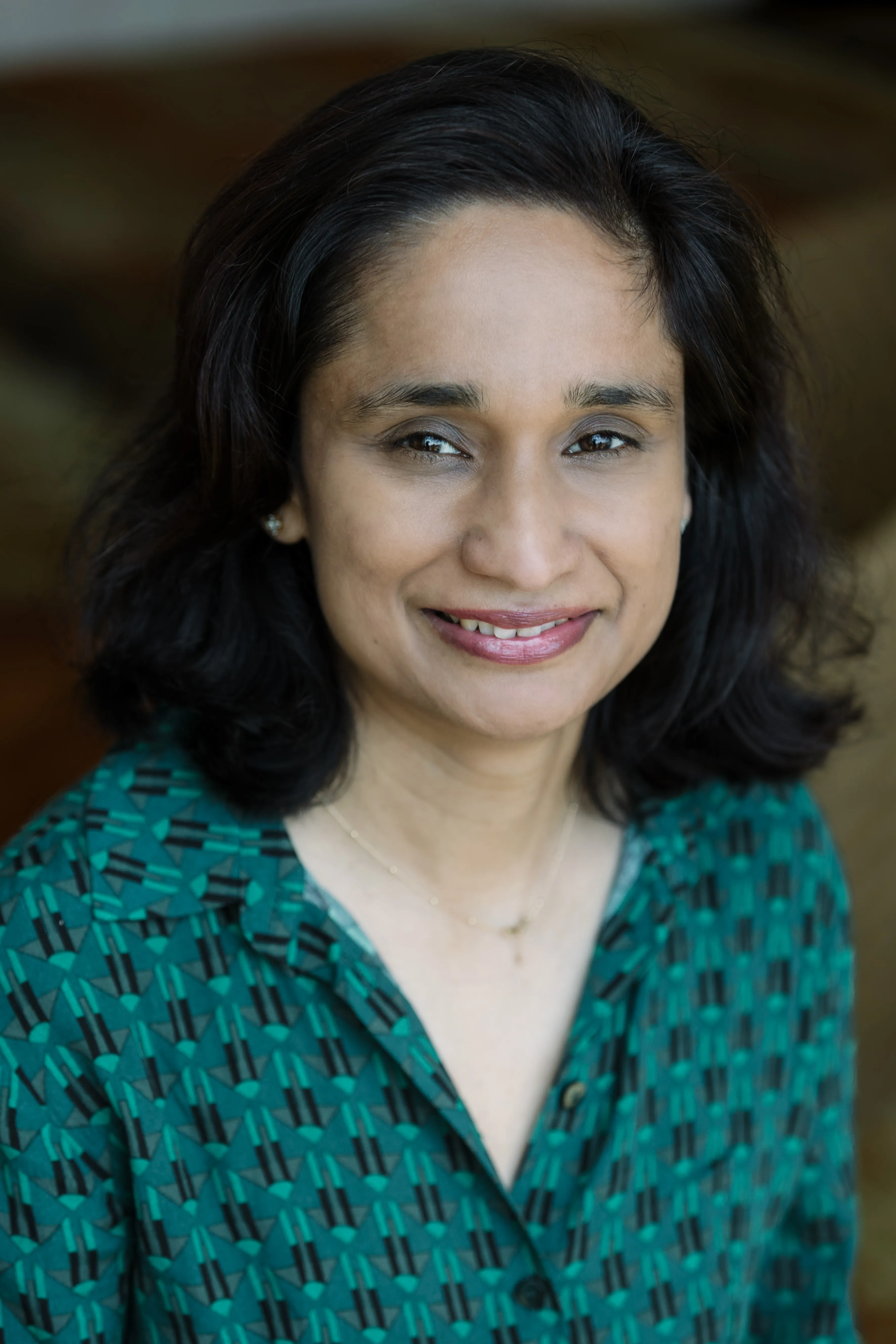
Lecturer in Immunology
Email: n.s.dey@qmul.ac.ukWebsite: https://scholar.google.com/citations?user=IU252FUAAAAJ&hl=en https://www.linkedin.com/in/nidhi-s-dey-442039ab/?isSelfProfile=true https://orcid.org/0000-0001-9432-0221
Profile
|
Nidhi completed her PhD in Developmental Biology at the Indian Institute of Science Education and Research (IISER) Mohali, India, with Dr Lolitika Mandal in 2017. During her PhD, she developed a model of definitive haematopoiesis to study immune cell development and communication, identifying AGM-like haematopoietic stem cells in the process. She then undertook postdoctoral research at the University of York with Professor Paul Kaye and colleagues, where she trained as a translational immunologist and developed spatial biology approaches to map immune responses in human cutaneous leishmaniasis across India, Sri Lanka, Ethiopia, Sudan and Brazil. Her postdoctoral work identified spatially organised immunosuppressive niches in infected human skin, characterised by dysfunctional macrophage -T cell interactions, and linked these tissue states to clinical outcomes. Subsequent work identified molecular features of these niches that were conserved across distinct clinical forms of disease, pointing to shared programmes of tissue inflammation. She is now building an open-access spatial skin atlas of human immune responses to parasitic infection across diverse geographical settings and parasite species, widening access to spatial tools for researchers in low-resource settings. Her research integrates spatial transcriptomics, single-cell RNA sequencing, multiplex tissue imaging, mass spectrometric imaging, lipidomics, primary macrophage models and CRISPR-based functional validation. In September 2026, she joined the Centre for Immunobiology and Infection at the Blizard Institute as Lecturer in Immunology in Host–Pathogen Dynamics. |
Research
Research Interests:
|
My research aims to understand how an acute immune response to infection transitions into persistent tissue pathology, irrespective of the initiating pathogen. We are particularly interested in why inflammation resolves in some individuals but persists in others, what drives the transition from acute to chronic pathology, and which cellular and molecular programmes sustain disease post-infection.
We will address these questions in post-infection disease sequelae (such as Long COVID) by focusing on mechanisms underlying persistent immune dysfunction and extend these studies across different infection and disease settings to determine whether apparently distinct post-infectious conditions converge on conserved mechanisms of immune dysfunction. Identifying shared mechanisms of failed immune resolution and persistent pathology will reveal new therapeutic opportunities for patients living with chronic post-infectious disease. |