
Dr Jakson Luk, PhD
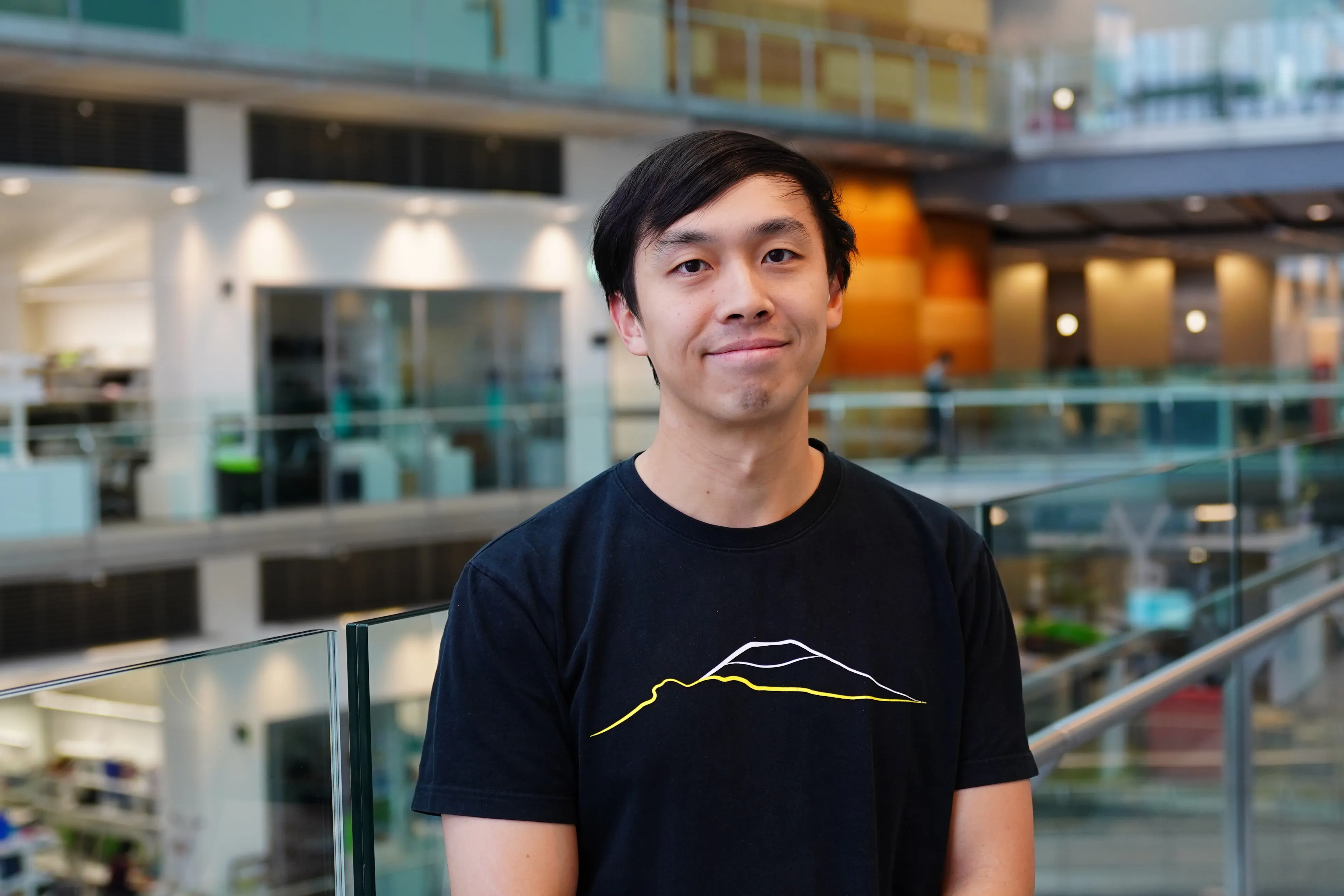
Lecturer in Tuberculosis Science
Email: c.h.luk@qmul.ac.ukWebsite: ORCID: https://orcid.org/0000-0002-5155-2257 LinkedIn: www.linkedin.com/in/jakson-luk-2baa95114 Personal website: https://croucher.org.hk/en/fellows-and-scholars/chak-hon-jakson-luk
Profile
|
Jakson received his doctoral training in the laboratory of Jost Enninga at the Institut Pasteur, where he developed innovative approaches to study bacterial heterogeneity in Salmonella enterica. He then pursued postdoctoral training with Max Gutierrez at the Francis Crick Institute, focusing on advanced molecular and cellular strategies to dissect host-pathogen interactions in tuberculosis. During his postdoctoral training, he has established an autologous alveolus-on-chip platform derived from human induced pluripotent stem cells to model respiratory infections and non-communicable lung diseases, bridging infection biology with human-relevant disease modelling. In Summer 2026, he joined the Queen Mary and Barts Health Tuberculosis Centre and Centre of Immunobiology and Infection at the Blizard Institute as Lecturer in Tuberculosis Science. |
Research
Research Interests:
|
Human respiratory system is constantly exposed to various environmental insults, in particular pathogens, while our innate immunity and tissue homeostatic responses fence the invading pathogens off in most cases. In the laboratory of Bioengineered Respiratory Emulation Approaches for Tuberculosis and Health (BREATHE lab), our overarching goal is to understand how the collective responses of human lung cells achieve a successful control of invading pathogens and how exposure to environmental insults modulate these responses. To model this, we employ induced pluripotent stem cell (iPSC) and organ-on-chip technologies to recreate a miniaturised unit of human lung in the lab, where we leverage both host and pathogen (M. tuberculosis) genetic tools and multi-omics approaches to decipher the molecular mechanism that determines the success or failure in antimicrobial response and tissue homeostasis. |
Publications
Luk, C. H.; Conway, G. L.; Goh, K. J.; Fearns, A.; Hernandez, I. R.; Day, N. J.; Athanasiadi, N.; D'Antuono, R.; Pellegrino, E.; Stucki, J. D.; et al. Autologous human iPSC-derived alveolus-on-chip reveals early pathological events of Mycobacterium tuberculosis infection. Sci Adv 2026, 12 (1), eaea9874. DOI: 10.1126/sciadv.aea9874