
Alumni Remembered - Professor Paul Veys (1960 - 2026)
An appreciation for the late Professor Paul Veys (MBBS Medicine, 1983), former Director of the Bone Marrow Transplant Unit at Great Ormond Street Hospital for Children (1994-2020).
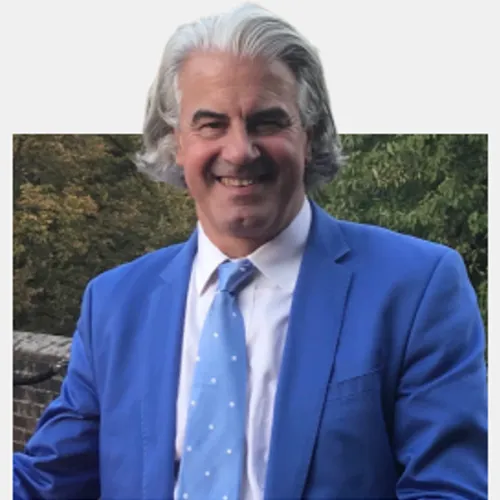
Professor Paul Veys achieved everything that a doctor might hope to achieve during a career.
He was an exceptional clinical paediatrician and haematologist who looked after his patients and their families and saved many lives. He supported colleagues as mentor, advisor and confidant, and inspired a generation of paediatricians and haematologists. Paul led the bone marrow transplant (BMT) at Great Ormond Street Hospital (GOSH) for 30 years and was at the forefront of paediatric and cellular therapy, pioneering innovations that have made transplant safer and better.
Paul was, above all, a clinical doctor. Transplant is a risk-based specialty, and he expertly weighed the risk of disease against the risk of the procedure, communicating with children and their families throughout. He enjoyed the responsibilities and rewards of saving the lives of children with the most serious blood diseases.
It is now expected that best practice is shared, but it wasn’t always so. Paul brought the British paediatric BMT community together. For nearly 30 years, we have met twice a year, including an annual audit meeting reviewing the outcome of each transplanted child. He was never critical of a single decision; practice was harmonised through discussion and mutual respect. Paul is directly responsible for this approach.
At GOSH, he developed a generation of transplant physicians, and he advised and fostered the careers of many colleagues in other hospitals, welcoming them as observers to his team.
Having worked at the bedside of thousands of children undergoing transplant, he understood how the process worked and how it failed, and he changed practice to make it both safer and better.
He pioneered reduced intensity transplant, using lower doses of chemotherapy to make the process more tolerable. He promoted umbilical cord blood as a stem cell source, which better prevents relapse of difficult-to-cure leukaemia and better tolerates donor-recipient mismatch, promoting equity of access for patients of non-European ancestry who less readily find matched adult donors.
More recently, his programme has performed first-in-world stem cell and T cell gene therapies. His team genetically modified patients’ own immune cells to recognise and reject cancer specifically, and corrected genetic defects directly in stem cells, reducing transplant risks such as graft versus host disease.
Paul was born in Tanzania, where his father was a public health doctor. The family moved to Stoke, and Paul remained a life-long Stoke City supporter. Educated at Mount St Mary’s, where he excelled at rugby, he studied medicine at Barts and trained in London and at Sick Kids in Toronto. A brilliant, competitive sportsman, he ensured GOSH always won the five-a-side football at the British Society of Haematology meeting.
He met Cathy in his first weeks at Barts, and both became consultants at GOSH. Paul died from cholangiocarcinoma on their 40th wedding anniversary. They have three children, Charlie, Eloise and Delphine. Despite his stellar career, it was his family that mattered most to him.
Professor Rob Wynn (MBBChir Medicine, 1989), Consultant Paediatric Haematologist and Director of Paediatric Bone Marrow Transplant Programme, Manchester University NHS Foundation Trust