
International Advisory Board
Members of Trial Steering and Data Safety Monitoring Committee who provide independent advice and recommendations for this study.

Dr Meenakshi Shukla
Meenakshi Shukla is an Assistant Professor of Psychology at the University of Allahabad, Prayagraj, India, with over seven years of teaching and research experience. Dr. Meenakshi Shukla is an Assistant Professor in the Department of Psychology at the University of Allahabad, India. She holds a Ph.D. in Psychology from Banaras Hindu University, supported by prestigious fellowships such as the University Grants Commission (UGC) Junior and Senior Research Fellowships. Dr. Shukla was also the recipient of the prestigious Commonwealth Split-Site (Ph.D.) Scholarship in 2016-2017 by the Commonwealth Scholarship Commission (CSC) and carried out her research work at the Institute of Psychiatry, Psychology, & Neurosciences (IoPPN), King’s College, London, United Kingdom. Recently, she was awarded the prestigious Fulbright-Nehru Academic & Professional Excellence Fellowship, 2025-2026. Her research interests focus on exploring the relationship between emotions, emotional disorders, and health. She has published over 40 research papers and book chapters. She has also collaborated on a multinational research study (the United Kingdom, India, and Nepal) focussed on childhood maltreatment.

Dr Pauldy Otermans
Dr Pauldy Otermans is a Reader (Education) in Psychology at Brunel University of London and a female tech leader in the UK. She is the Director of the Education Hub and her research focuses on using AI in education and authentic assessments.
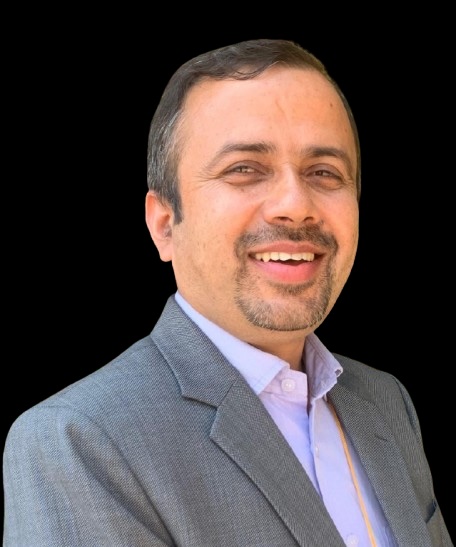
Raju Ghimire
Raju Ghimire completed a Master's degree in Sociology and a Post Graduate in Psychology from Tribhuvan University of Nepal. He is currently studying a Master's in Pedagogical Science at the Nepal Open University.
Raju has been a Child Rights and Protection sector's professional for 25 years and is now working in Voice of Children Nepal as Deputy Director.
Raju has received numerous professional trainings on Child Rights and Protection, i.e.,Child Safeguarding and Protection, Child Participation, Case Management, Monitoring and Evaluation, Psychological Counselling, etc. at the National and International levels. He has facilitated many training workshops on Child Safeguarding and Protection, Case Management, Reintegration of family separated children, Child and Family Counselling, and Family Development.
Raju has carried out and been involved in various research studies related to children, especially foster care of children, sexual abuse and exploitation against children, Online Child Sexual Abuse and Exploitation. He has participated in professional visits and training in the United Kingdom, Georgia, Kenya, Vietnam, Cambodia, Thailand, Philippines, Indonesia, Bangladesh, and India.
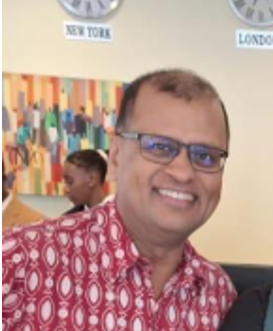
Dr Piyal Sen
Dr Piyal Sen is a Consultant Forensic Psychiatrist , Medical Director at Chadwick Lodge and Eaglestone View, Milton Keynes. He is Visiting Professor at Brunel University, also affiliated with King’s College, London. He has a clinical, research and advocacy interest in victims of forced migration. He is a member of the Forced Migration working group of The Royal College of Psychiatrists (RCPsych). He has represented the College view on immigration detention to external organisations and contributed to the College Position Statement on Immigration detention. He is also the current chair of the Special Committee of Human Rights, which sees migration as one of the areas likely to cause significant human rights challenges for clinicians
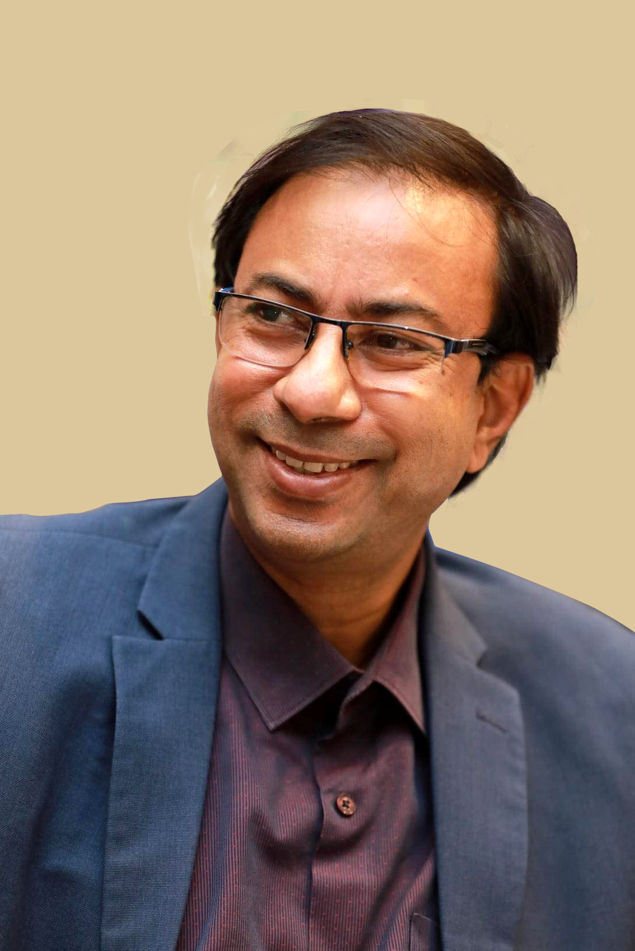
Iqbal Masud
Iqbal Masud is a seasoned public health and WASH specialist with over 27 years of experience in health systems research, program implementation, and policy advocacy in Bangladesh and internationally. He currently serves as the Director of Health and WASH at Dhaka Ahsania Mission (DAM), one of Bangladesh’s leading national NGOs with consultative status at the UN ECOSOC and operational relations with UNESCO.
Throughout his career, Mr. Masud has led numerous public health initiatives targeting marginalized populations, emphasizing integrated, sustainable, and community-driven approaches to health, sanitation, and substance use prevention. Under his leadership, DAM is implementing 17 health and WASH-related projects, two major research studies, and managing seven health institutions, including hospitals and rehabilitation centers. He also serves as the Member Secretary of the Institutional Review Board (IRB) at DAM, ensuring the ethical integrity of all health-related research.
His research work includes collaborations with the World Health Organization (WHO), European Union, UNODC, and other international bodies. His projects have addressed a wide array of issues such as HPV vaccination, mental health, substance use, non-communicable diseases (NCDs), tobacco control, and health service accessibility.
Iqbal Masud is also an internationally certified addiction professional and a Global Master Trainer under the Colombo Plan’s Universal Treatment Curriculum (UTC) and Child Curriculum. His passion for education and training is reflected in the development of several manuals and books, including his widely recognized publication “The Known and Unknowns of Drug Dependence”.
He holds a Master of Arts from the University of Dhaka and a Master of Public Health (MPH), along with multiple certifications from global institutions. He has participated in more than 50 international conferences, trainings, and workshops on public health, drug prevention, and tobacco control across Asia, Europe, and the Americas.
Iqbal Masud is actively involved in various national and international professional networks and taskforces, including the National Taskforce Committee for Tobacco Control, the National Drug Prevention Committee, and the Global Taskforce on Narcotics Control.
With a career rooted in compassion, expertise, and evidence-based action, Mr. Masud remains dedicated to building a healthier, drug-free society in Bangladesh and beyond.
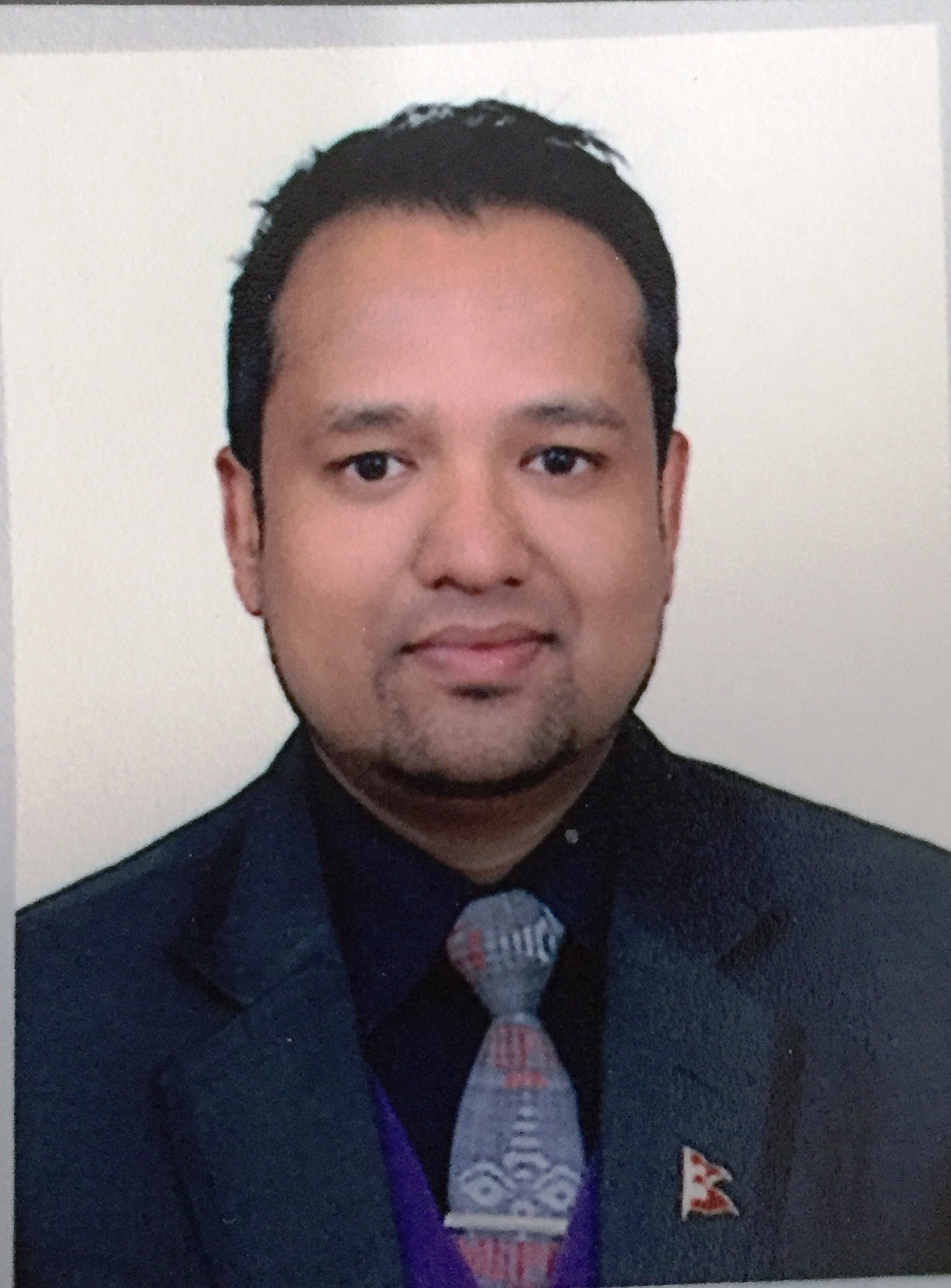
Atmaram Thapa
Mr. Thapa is child rights governance and participatory research practice expert with a background of over 13 years of working with Government and Non-Governmental Organizations in child rights and child protection system building, child participation, education in Nepal. He has developed and managed national campaigns, community-based interventions, and policy advocacy campaigns geared towards the protection of vulnerable children-including sexual
exploitation and trafficking survivors.
His professional practice is grounded in inclusive and ethical participation principles, especially in post-conflict and development-impacted contexts. He provides tested expertise in reconciling participatory results, qualitative research, and learning products linking community realities to policy formulation. He has collaborated with children, youth, CSOs, and governments in ensuring quality engagement and voice amplification of children in policy and practice.
Arunendra Narayan
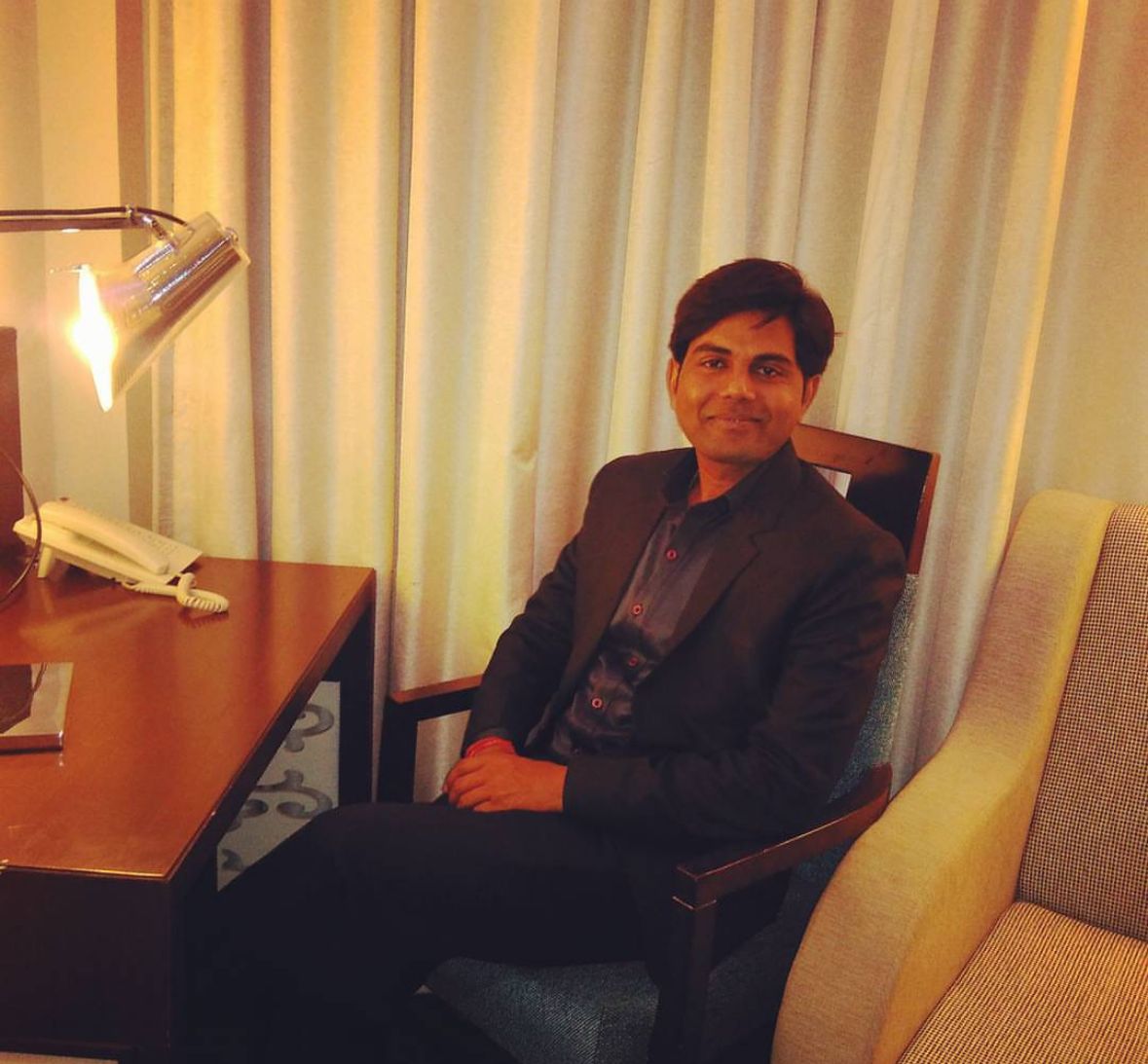
Arunendra Narayan is a development professional, researcher, and child rights advocate with more than two decades of progressive experience across government institutions, international NGOs, and research organizations. His career spans over 21 years of leadership in child protection, social development, applied psychology, and community health, where he has consistently worked towards the rehabilitation, protection, and holistic development of vulnerable communities and children in need of care and protection.
He is presently serving as a Member, Child Welfare Committee (Central District, New Delhi), entrusted with the statutory responsibility of safeguarding child rights under the Juvenile Justice (Care and Protection of Children) Act. Prior to this, he held a decade-long tenure as District Child Protection Officer (East, Shahdara, and North-East Delhi) under the Integrated Child Protection Scheme, Ministry of Women and Child Development, Government of Delhi (2014–2025), where he played a pivotal role in policy implementation, institutional monitoring, case rehabilitation, and community-based alternative care systems.
Arunendra’s diverse professional journey includes leadership roles with Plan International, CRY, CASP, PVCHR, SADRAG, Mission Convergence, and St. Stephen’s Hospital, where he successfully designed and managed projects on child labour elimination, community health, education access, livelihood promotion, and child rights advocacy. His work combines academic rigor with field engagement, enabling evidence-based interventions for systemic change.
Academically, he holds an M.Phil. in Social Medicine and Community Health from Jawaharlal Nehru University (2006), a Master’s in Psychology from the University of Allahabad (2004), and a Master of Social Work (MSW) from IGNOU (2022). His research contributions include a paper on “Child Workers in Delhi” presented at the prestigious XVII ISA World Congress of Sociology, Gothenburg, Sweden (2010).
He has also been a participant and resource person in numerous national and international conferences and capacity-building programs supported by UNICEF, NIPCCD, Udayan Care, and leading academic institutions, focusing on child protection systems, juvenile justice, mental health interventions, POCSO, and violence against women.
In addition to his administrative and research expertise, Arunendra is a published poet and editor of the Hindi magazine Poesy, with multiple recognitions for his literary contributions. His rare ability to integrate creative expression with social commitment reflects his holistic personality as both a thinker and practitioner.
With proven expertise in policy execution, program management, advocacy, and participatory approaches, coupled with strong analytical and leadership skills, Arunendra Narayan continues to contribute significantly to building a rights-based, inclusive, and child-friendly ecosystem in India.