
About the study
Child labour affects up to one in four children in low- and medium-income countries and deprives young people of their education, future opportunities and prosperity. Eradicating child labour is an urgent priority for governments and non-governmental organisations.
In some Asian countries, “rehabilitation programmes” have been developed aiming to remove young people from illegal employment, provide shelter, food, legal and medical assistance, and help to re-integrate children with their families and in education. Yet, a major barrier to these programmes is managing mental health of rescued child labourers. Delivering interventions to help child labourers improve their mental well-being is an important priority. Yet there is a lack of evidence-based programmes addressing the emotional symptoms of child labourers.
Studies indicate that arts-based programmes can reduce emotional symptoms amongst young people who experienced trauma from high-income countries. Thus, this study aims to co-adapt and formatively evaluate an arts-based programme to reduce emotional distress and build re-integration into society in rescued child labourers (aged 12-17 years) from India, Bangladesh and Nepal. This study involves a collaboration between local people with lived experience of child labour, local creative practitioners, UK-based arts therapists and researchers from Tribhuvan University (Nepal), Banaras Hindu University (India), University of Dhaka (Bangladesh), Queen Mary University (the leading university, UK), Brunel University (UK) and Edge Hill University (UK).
OUR PEOPLE
- Partners
- Latest news and updates
- Team members’ publications related to child labour:
- Study Registration
Partners
Shelters
Salam Balak Trust - Delhi, India
Funder

This study is funded by Economic Social and Research Council (ES/X012131/1).
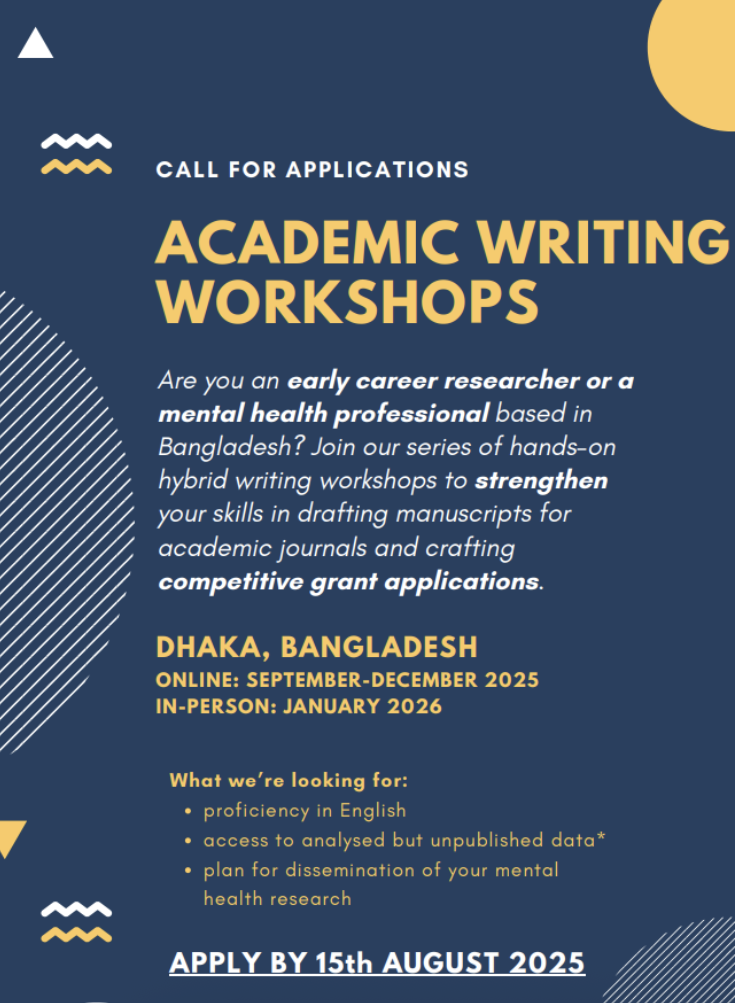
Team has been awarded to carry out International Writing Workshops in Bangladesh and Nepal
Researchers working on the CREATE study (Prof Jennifer Lau, Prof Veena Kumari, Dr Laura Paulauskaite, Prof M. Kamruzzaman Mozumder, Dr Sandesh Dhakal) and colleagues from Queen Mary University (Dr Julia Michalek and Dr Fiona Samuels) and Brunel university (Dr Pauldy Otermans) were awarded the British Academy award to carry out International Writing Workshops in Bangladesh and Nepal. The hands-on workshops will focus on strengthening academic writing skills of early career mental health researchers in Nepal and Bangladesh. The team has started recruiting early career researchers in Nepal and Bangladesh to take part.
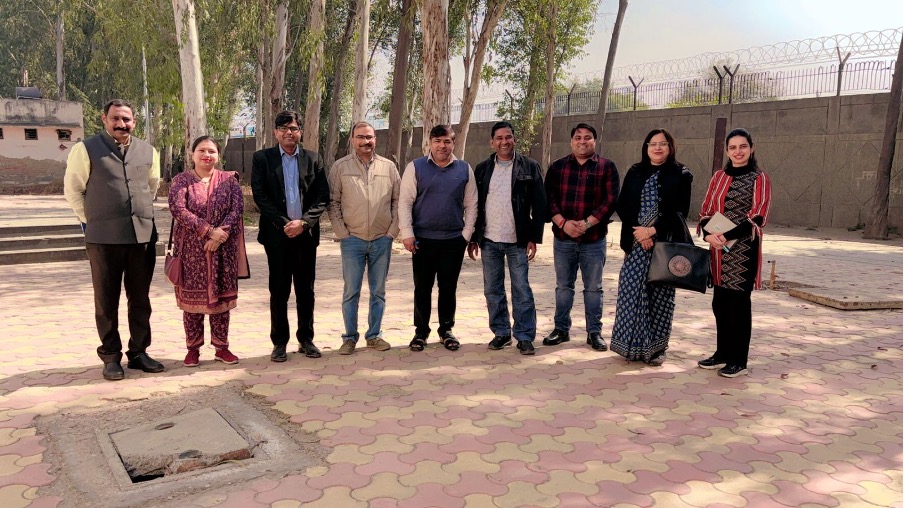
Salam Balak Trust in Delhi will be supporting the study
In February 2025, Dr Tushar Sign visited “Salam Balak Trust,” a shelter that serve rescued child labourers in Delhi to discuss the CREATE study. The shelter will be supporting the study.
The Salam Balak Trust has also been involved in the development of the short film “Anuja” nominated for an Oscar available to watch on Netflix. The move tells a story of a 9-year-old girl and her sister working in a garment factory that mirrors experiences of many girls worldwide.
We look forward to working with the Salam Balak Trust soon.
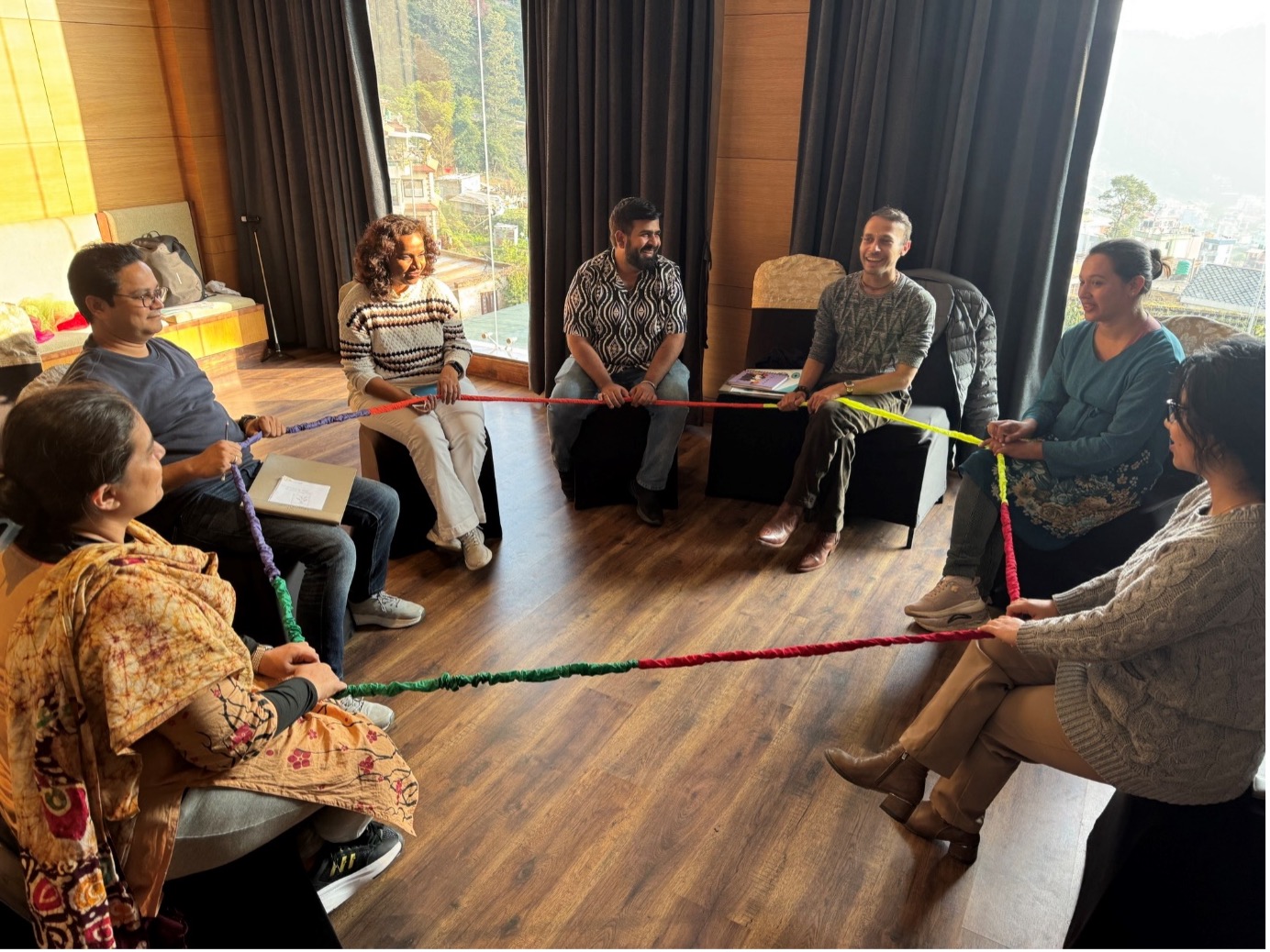
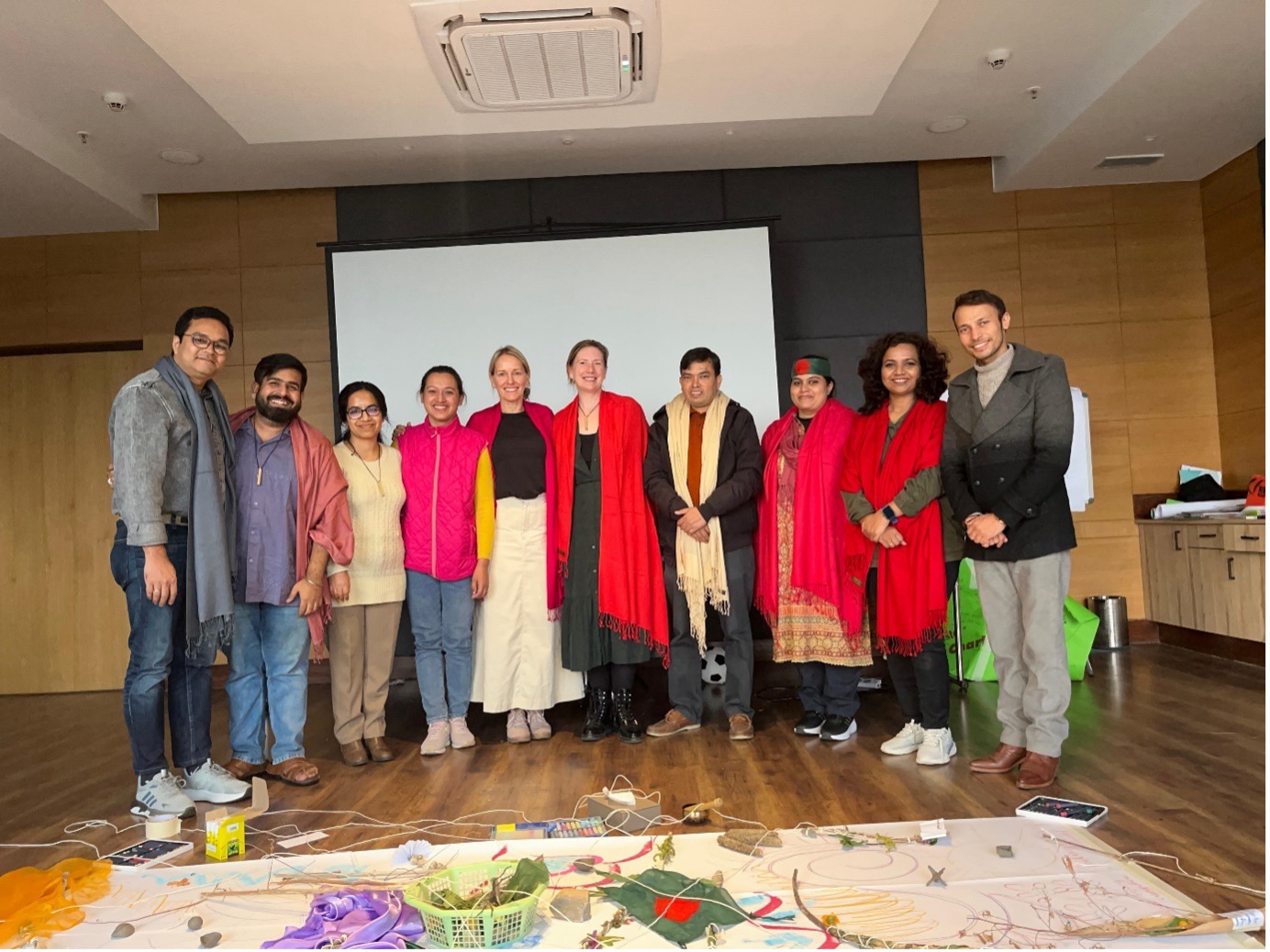
Workshops with creative practitioners carried out successfully in Nepal
Workshops led by Dr Catherine Carr and Dr Jane Bourne - 6th to 8th December 2024
In December 2024, all creative practitioners from India, Bangladesh and Nepal and two UK-based arts therapists met in Nepal to share and practice elements involved in the arts-based programme that will be delivered in the CREATE study. The workshops were led by Dr Catherine Carr and Dr Jane Bourne.
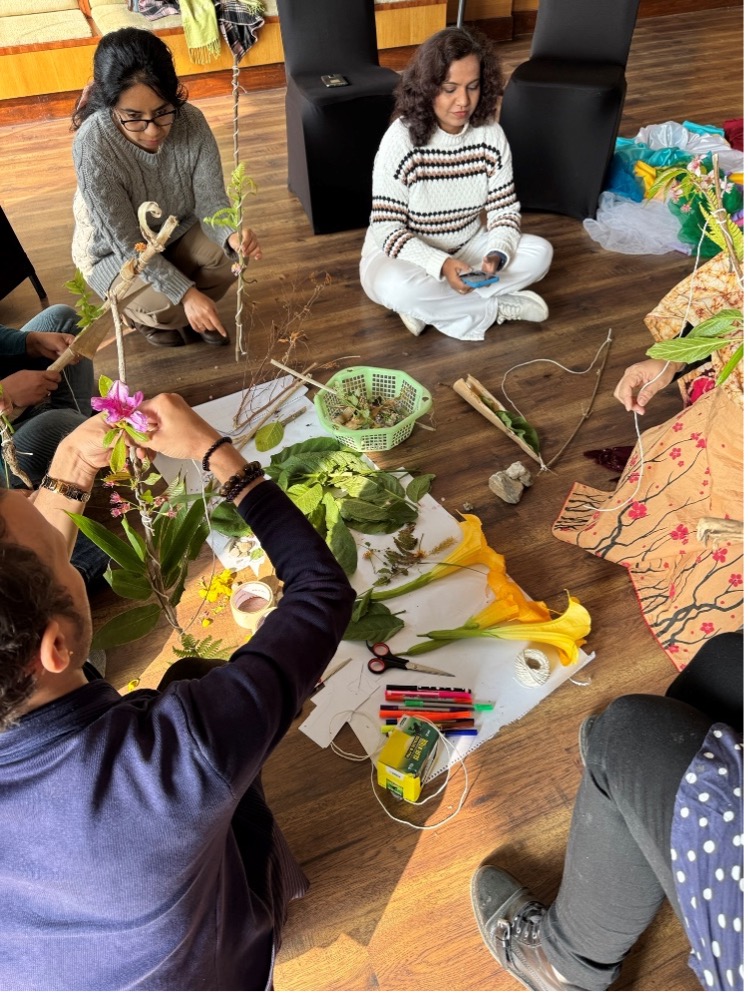
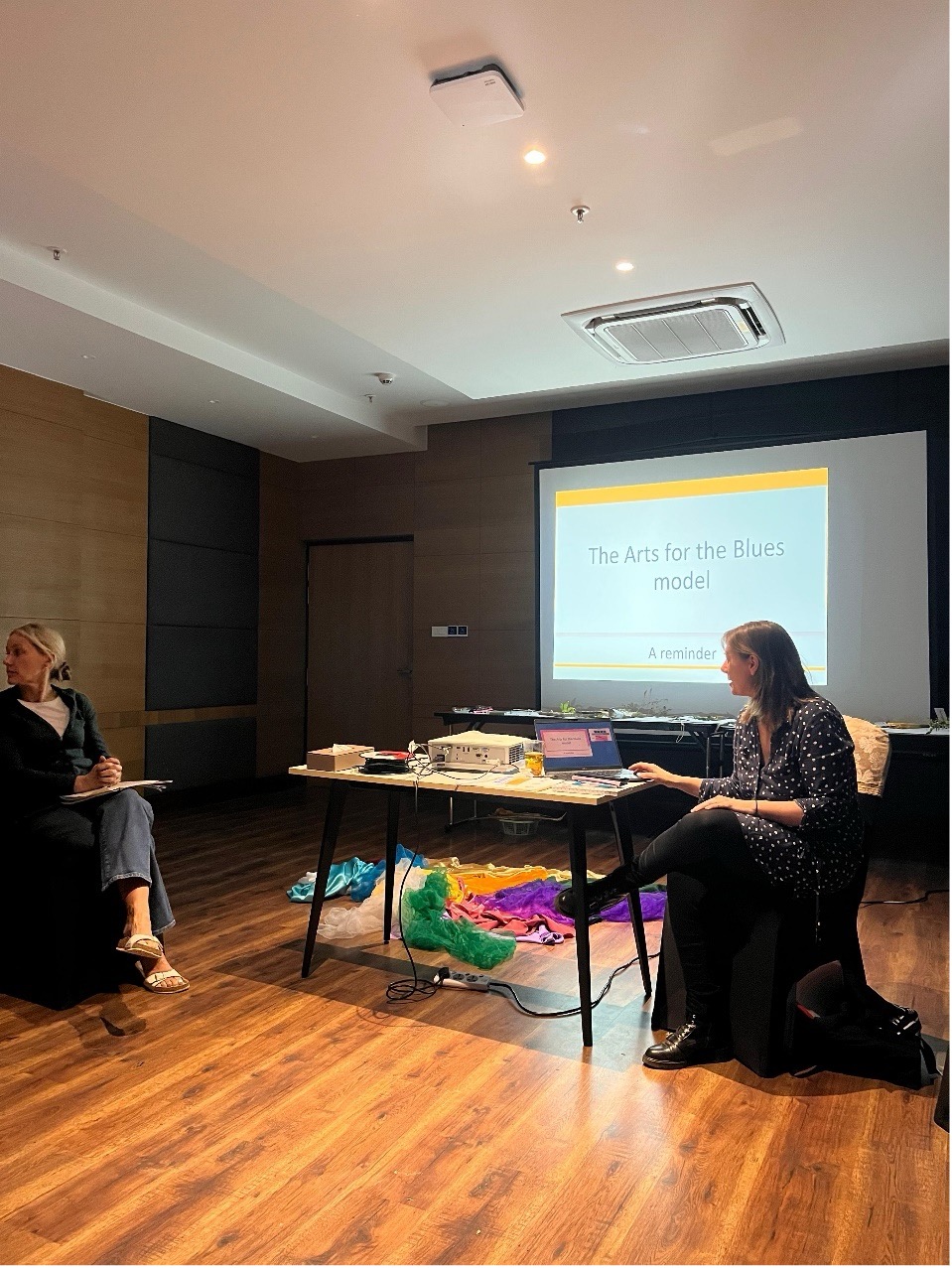
Workshops with creative practitioners and consultations with stakeholders completed
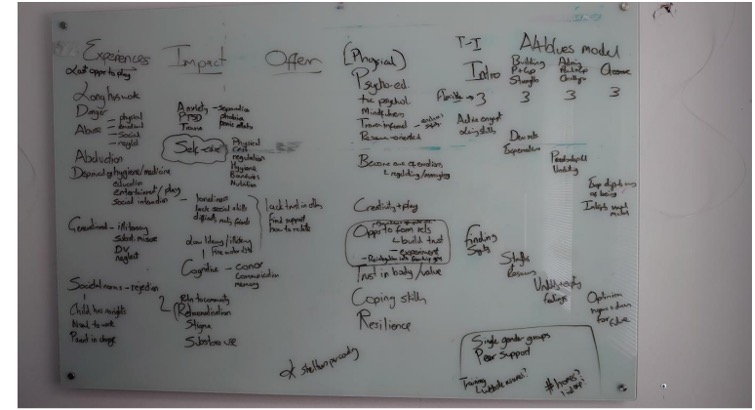
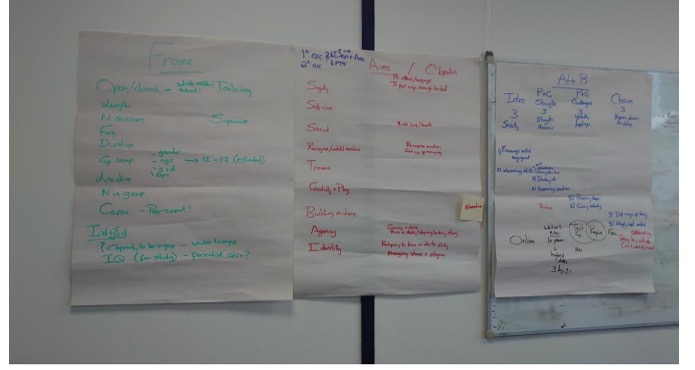
In September-October 2024, three online workshops with creative practitioners from Indian, Bangladesh and Nepal were carried out. During these workshops, the team co-developed and refined the model and an underpinning theory of an arts-based programme that will be delivered in the CREATE study.
Consultations with Lived Experience Panel and shelter staff members were also successfully completed that provided useful suggestions for improving the delivery and the content of the arts-based programme.
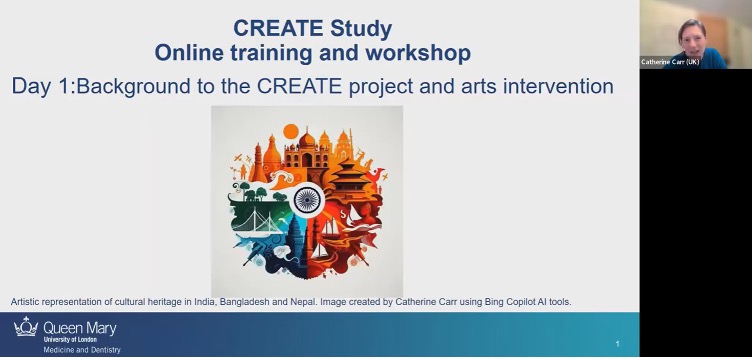
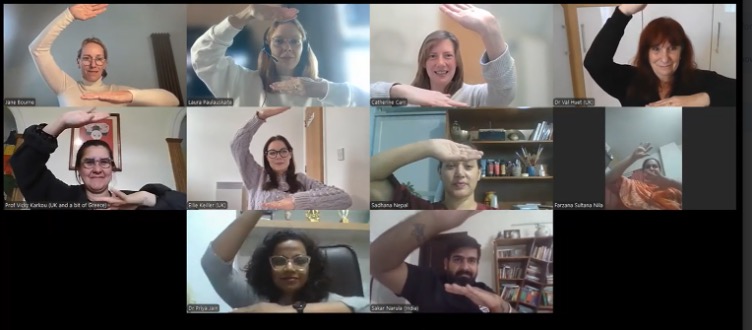
Workshops with UK arts therapists carried out in London
In August 2024, three in person workshops were carried out with UK arts therapists lead by Dr Catherine Carr. During these workshops, a model and potential adaptations for an arts-based programme were discussed.
The Arts for Blues - creative arts-based group programme developed by Professor Vicky Karkou and other researchers at the universities of Edge Hill and Salford in the North West of England was selected to be co-adapted in this study. The team discussed the needs of child labourers and interventions developed for this population reported in the literature, a theoretical model, potential aims and outcomes of the programme, and potential adaptations needed to reflect cultural characteristics and the target population.
Further collaborations with creative practitioners from Indian, Bangladesh and Nepal, local people with lived experience of child labour and shelter staff will be carried out to refine the programme that will be delivered in this study.
Can we challenge attention and interpretation threat biases in rescued child labourers with a history of physical abuse using a computerised cognitive training task? Data on feasibility, acceptability and target engagement.
Dhakal, S., Gupta, S., Sharma, N. P., Upadhyay, A., Oliver, A., Sumich, A., Kumari, V., Niraula, S., Pandey, R., & Lau, J. Y. F. (2023). Can we challenge attention and interpretation threat biases in rescued child labourers with a history of physical abuse using a computerised cognitive training task? Data on feasibility, acceptability and target engagement. Behaviour research and therapy, 162, 104267. https://doi.org/10.1016/j.brat.2023.104267
History of abuse and neglect and their associations with mental health in rescued child labourers in Nepal
Dhakal, S., Niraula, S., Sharma, N. P., Sthapit, S., Bennett, E., Vaswani, A., Pandey, R., Kumari, V., & Lau, J. Y. (2019). History of abuse and neglect and their associations with mental health in rescued child labourers in Nepal. The Australian and New Zealand journal of psychiatry, 53(12), 1199–1207.
Recognising and healing emotional wounds of child labourers: call to action based on the evidence and stakeholder views from India and Nepal
Kaur, H., Duncan, K., Dhakal, S., Sharma, N., Niraula, S., Pandey, R., Kumari, V., Lau, J. Y. F., & Singh, T. (2022). Recognising and healing emotional wounds of child labourers: call to action based on the evidence and stakeholder views from India and Nepal. BJPsych international, 19(2), 47–50. https://doi.org/10.1192/bji.2021.50
Childhood maltreatment and its mental health consequences among Indian adolescents with a history of child work.
Pandey, R., Gupta, S., Upadhyay, A., Gupta, R. P., Shukla, M., Mishra, R. C., Arya, Y. K., Singh, T., Niraula, S., Lau, J. Y. F., & Kumari, V. (2020). Childhood maltreatment and its mental health consequences among Indian adolescents with a history of child work. The Australian and New Zealand journal of psychiatry, 54(5), 496–508. https://doi.org/10.1177/0004867420909524
Threat biases associate with anxiety and depression in physically-abused young people with a history of child labour
Sharma, N. P., Dhakal, S., Oliver, A., Gupta, S., Kumari, V., Pandey, R., Niraula, S., & Lau, J. Y. F. (2022). Threat biases associate with anxiety and depression in physically-abused young people with a history of child labour. Journal of behavior therapy and experimental psychiatry, 77, 101765. https://doi.org/10.1016/j.jbtep.2022.101765
Link to our study registration: