About us

Large image page

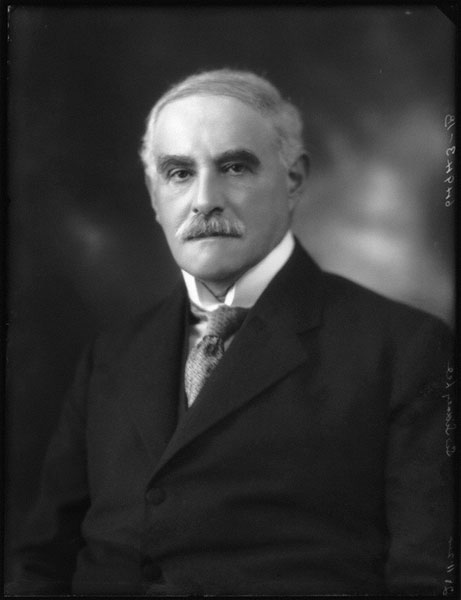
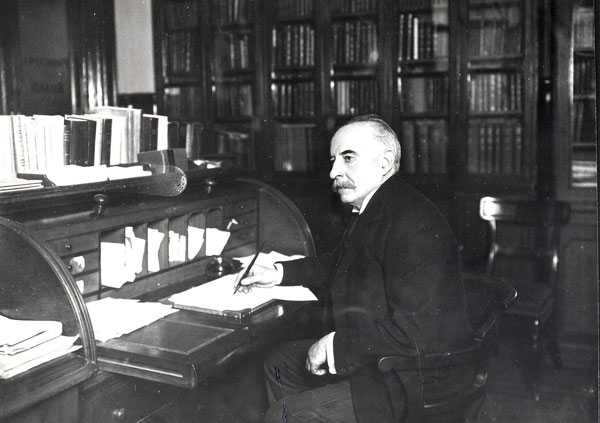
Sir Sidney Lee (1859-1926) © National Portrait Gallery, London - A high-profile Victorian biographer, writer and critic, Sir Sidney Lee served as Professor of English Literature and Language at East London College, as well as Chair of Department. As part of a drive to develop ELC's intellectual resources, Sir Sidney donated over 3000 volumes of Shakespeare to the College Library.


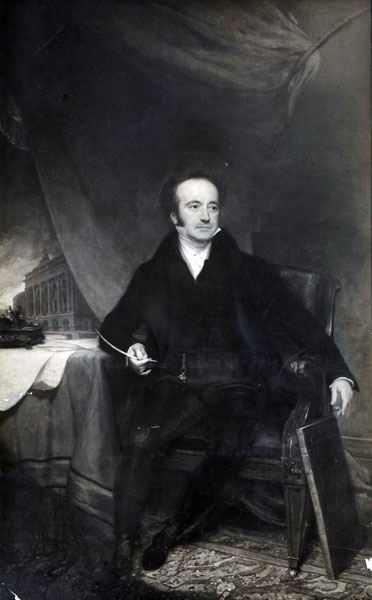
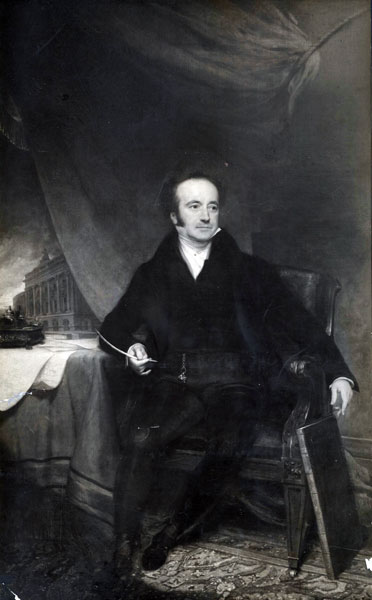
John Barber Beaumont (1774-1841) - Local philanthropist John Barber Beaumont aimed to bring 'the joy and wonder' of education to east London by founding a New Philosophical Institute for public lectures and musical recitals. Although the Institute was unsuccessful, the vision was fulfilled through his Beaumont Trust, which funded the establishment of the People's Palace. He is commemorated by our Beaumont Court student residence.

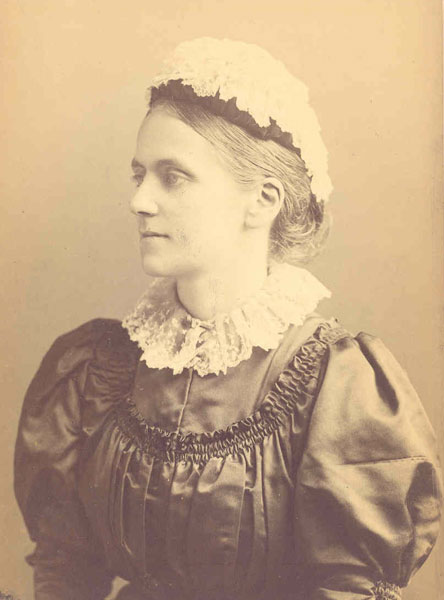
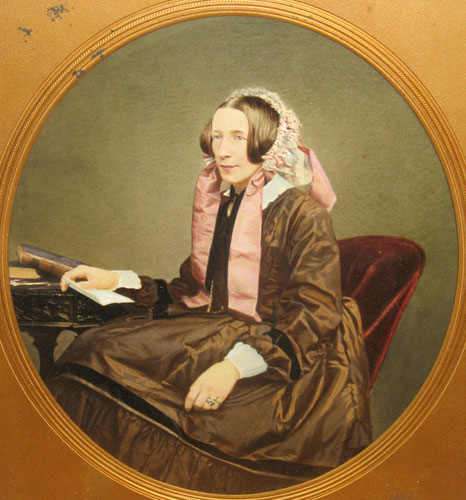
Constance Maynard (1849-1935) - The first Mistress of Westfield College (1882-1913) and a pioneer of women's education, Constance Maynard was the first woman to read Moral Sciences at the University of Cambridge, where she attended Girton College. She is remembered through our Maynard House student residence.

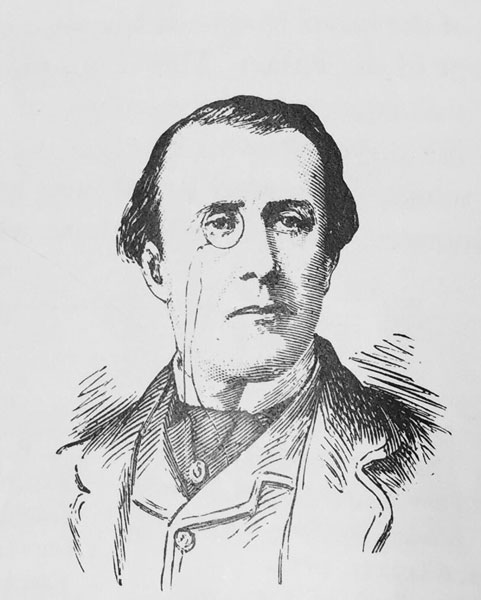
Sir Edmund Hay Currie (1834-1913) - Chairman of the Beaumont Trust, Sir Edmund Hay Currie initiated the People's Palace project and established our long-standing relationship with the Drapers' Company.

Ann Dudin Brown (1822-1917) - Following the death of her parents, founder and benefactress Ann Dudin Brown was inspired to establish Westfield College after meeting Constance Maynard and Mary Petrie, one of the first female graduates from the University of London. An ardent supporter of College for the rest of her life, Dudin Brown declared in 1913 that out of 'all my enterprises, Westfield has proved the most satisfactory.'

John Barber Beaumont (1774-1841) - Local philanthropist John Barber Beaumont aimed to bring 'the joy and wonder' of education to east London by founding a New Philosophical Institute for public lectures and musical recitals. Although the Institute was unsuccessful, the vision was fulfilled through his Beaumont Trust, which funded the establishment of the People's Palace. He is commemorated by our Beaumont Court student residence.  


John Leigh Smeathman Hatton (1865-1933) - Professor Hatton joined the Technical Schools in 1892 and ferociously defended the educational activities of the People's Palace; from the very beginning, he envisioned that the Schools would one day grow into an east London university. Appointed Director of Studies in 1896, he was Principal of East London College from 1908 until his death. Hatton House student residence is named in tribute to him.

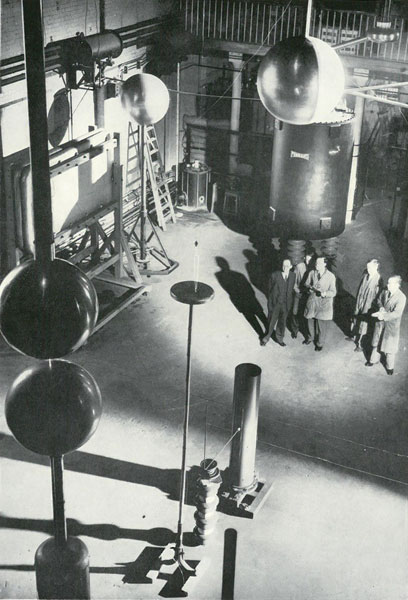
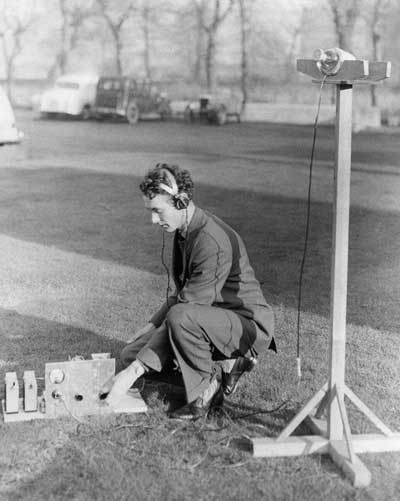
Professor John Turner MacGregor-Morris (1872-1959) - A true pioneer in electrical engineering, Professor MacGregor-Morris joined East London Technical College in 1898. Appointed Head of Department in 1901, Professor MacGregor-Morris developed the directional hydrophone during the First World War with his research student, A. F. Sykes. He also spearheaded Queen Mary College's High Voltage Laboratory, and was made a Fellow of the College in 1938.  


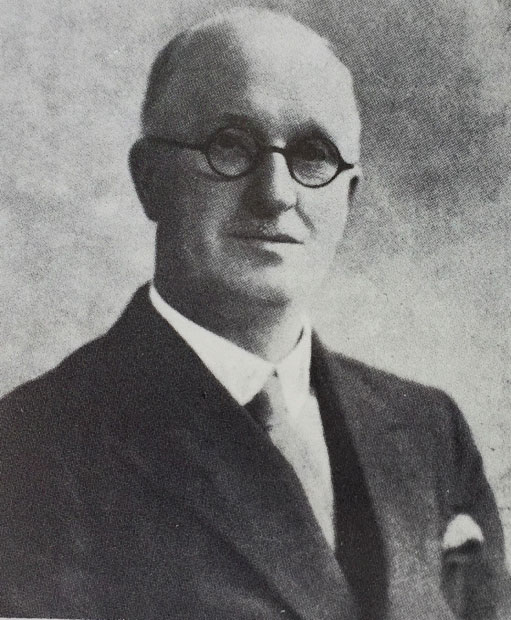
Ernest Wignall (1875-1933) - A former Day pupil at the People's Palace Technical Schools, Ernest Wignall remained committed to the institution and ultimately attained the post of College Registrar at ELC. Celebrated for his effective administration and local philanthropy, he is commemorated by the E. J. Wignall Memorial Prize offered by our School of Physics and Astronomy. 


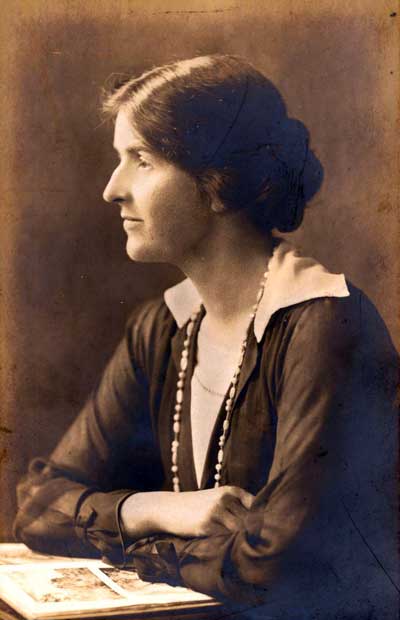
Bertha Surtees Phillpotts (1877-1932) - With a lifelong commitment to improving opportunities for female students, Bertha Phillpotts understood the barriers within higher education. Studying at a time when universities refused to confer women, she was one of the 'Steamboat ladies' who travelled to Trinity College Dublin to secure ad eundem degrees instead. Bertha Phillpotts was Principal of Westfield College (1919-1921), a member of College Council (1922-1932) and Mistress of Girton College at the University of Cambridge from 1922 until her death.


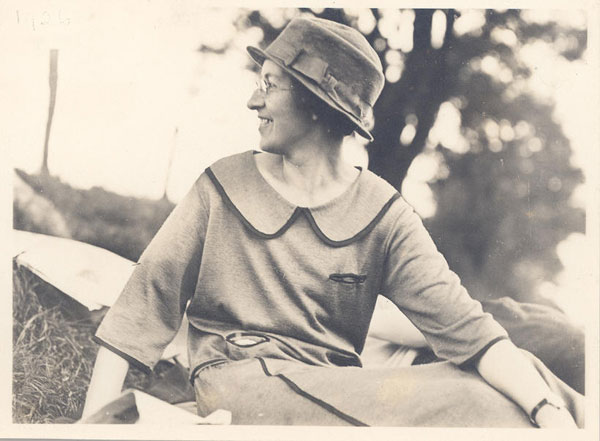
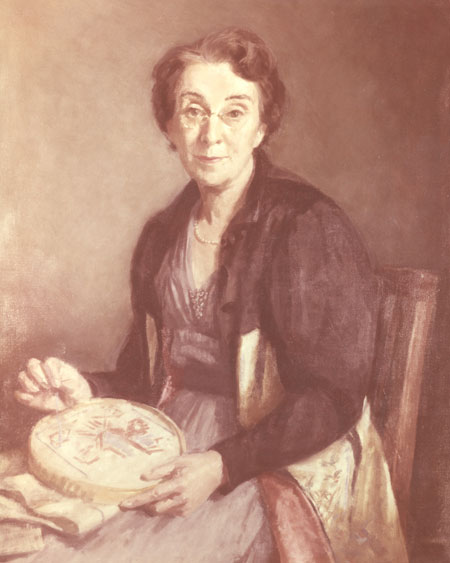
Dr Ellen Delf-Smith (1883-1980) - The founder of Westfield College's successful Botany department, Dr Delf-Smith was also a successful researcher whose work won accolades across the Universities of Cambridge and London. Her teaching provided the foundation for Westfield's entire scientific faculty, and empowered female students to work in laboratories and conduct fieldwork. Dr Delf-Smith believed that teaching should encourage independence and 'awaken the desire amongst students to follow some line of investigation for themselves.'


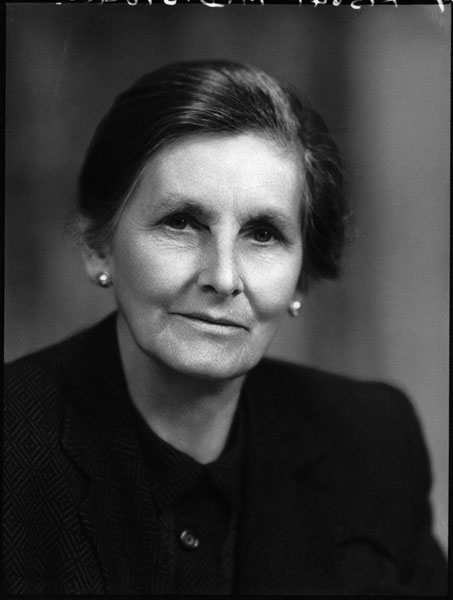
Mary Danvers Stocks (nee Brinton), Baroness Stocks (1891-1975) © National Portrait Gallery, London - Principal of Westfield College (1939-1951), Baroness Stocks was a progressive thinker and activist famed for her fresh, unconventional approach to teaching. She not only had a lifelong commitment to women's rights but was also passionate about widening participation to higher education. She later became a successful BBC broadcaster following her retirement. Our Stocks Court student residence is named in her honour.


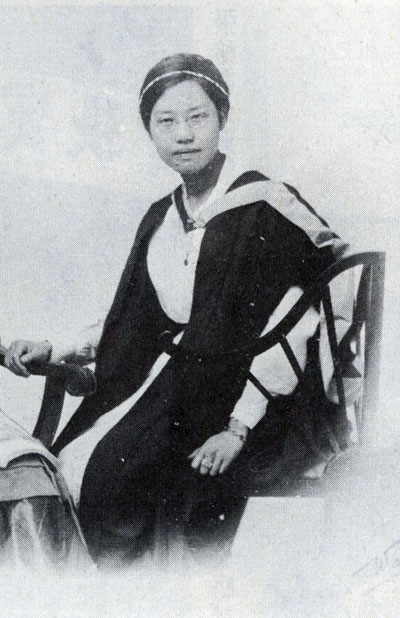
Pao Swen Tseng (1894-1978) - Having studied botany under the guidance of Dr Ellen Delf-Smith, Pao Swen Tseng was the first Chinese student to graduate from the University of London. She moved on to co-establish the I Fang School in China, a College based on the ideals of Westfield. She later became its Principal, and was also involved with the United Nations.


Kathleen Chesney (1899-1976) - The Principal of Westfield College (1951-1962), Kathleen Chesney was known as a scholar of distinction in early French literature. Her appointment strengthened Westfield's profile as an arts-led college, and she was renowned for fulfilling her duties with 'dedication and care'. She was made an Honorary Fellow of Westfield in 1963. Chesney House is named in her memory.


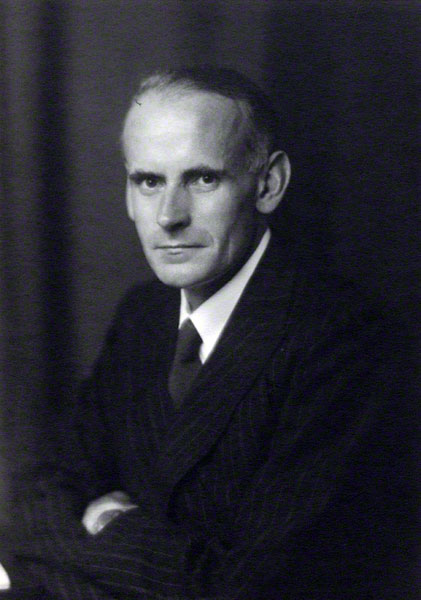
(Benjamin) Ifor Evans, Baron Evans of Hungershall (1899-1982) © National Portrait Gallery, London - Ifor Evans was a literary scholar and university administrator, first appointed Professor of English in 1933 and named Principal of Queen Mary College in 1944. He was also the Vice-Chairman of the Arts Council, an executive member of the British Council, and President of the Royal Society of Literature. He is commemorated by our student residence, Ifor Evans Place.


Sir Joseph Rotblat (1908-2005) © National Portrait Gallery, London - Appointed Professor of Physics at St Bartholomew's Medical College (1939-1976), Sir Joseph Rotblat focused on investigating the effects of radiation on living organisms, especially in terms of aging and fertility. Having experienced the atrocities of the Second World War, he campaigned for nuclear disarmament, and was jointly awarded the Nobel Peace Prize for his activism in 1995. He is commemorated by the Joseph Rotblat Building at our Whitechapel campus.


Maud Godward (1910-2002) - A graduate of East London College, Professor Godward remained to teach at what was then Queen Mary College for the rest of her career. Renowned for her teaching and research across the field of botany, she was a founding member of the British Phycological Society, and could often be seen driving around Mile End in her sports car. Godward Square was named in recognition of her lifelong connection to Queen Mary.


Gwyn Owain Jones (1917-2006) - Appointed as both Professor of Physics and Head of Department in 1953, Professor Jones' leadership built a successful research focus on astrophysics, theoretical physics, and solid-state and low temperature physics. Professor Jones was also passionate about the arts, writing three novels while at QMC and being appointed the Director of the National Museum of Wales in 1968. He is remembered by our GO Jones Building, the home of our School of Physics and Astronomy.


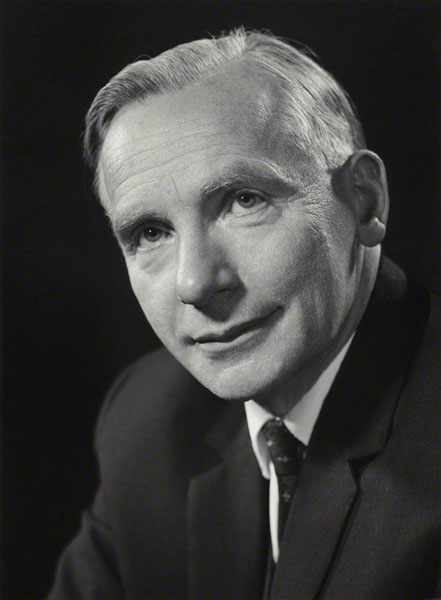
Sir John Vane (1927-2004) - One of the most significant pharmacologists of the 20th century, Sir John Vane shared a Nobel prize for his work on prostaglandins in 1982. He established the William Harvey Research Institute at St Bartholomew's Hospital Medical College in 1986, which was inherited by Queen Mary in our 1995 merger and is now part of our Barts and The London School of Medicine and Dentistry. He is commemorated by the John Vane Science Centre at our Charterhouse Square campus.


Peter Landin (1930-2009) - One of the key figures in Queen Mary College's Computer Science department during the 1970s and 1980s, Professor Landin was responsible for significant developments in his field including the invention of the SECD machine and the ISWIM programming language. He is remembered as a vocal supporter of LGBT rights, an active attendee at anti-nuclear demonstrations, and his fondness for cycling. Appointed the Emeritus Professor of Theoretical Computation upon retirement, the Peter Landin Building is named in his memory.


Ian Butterworth (1930-2013) - Formerly the Research Director at CERN, Professor Butterworth was Principal of Queen Mary College (1986-1991), and oversaw its merger with Westfield College. He was particularly passionate about the power of electronic publishing and the dissemination of knowledge through the web.


Professor Sir Peter Mansfield (1933-2017) - Sir Peter joined Queen Mary College as a mature student in 1959 where he achieved a BSc (1959) and a PhD (1962) in physics. He was jointly awarded a Nobel Prize with Professor Paul Lauterbur in 2003 for their pioneering work on Magnetic Resonance Imaging (MRI) as a diagnostic technique.

Back to top