
Report on the M-BRIGHT intervention (Mental Health Club) Qualitative Data Collection (30-31 July 2026), Cambodia
/filters:format(webp)/prod01/channel_330/wiph/media/the-wolfson-institute-of-population-health-wiph/Team-in-KC.jpg)
The team in Kampong Chhnang, Cambodia
Overall, participants reported overwhelmingly positive experiences with the Mental Health Club and described a range of benefits for adolescents' well-being and development. Many adolescents highlighted improvements in emotional regulation, self-confidence, stress management, and communication skills. Several participants noted stronger friendships and better relationships with family members following their involvement in the club. Some adolescents also reported feeling better equipped to manage teasing, bullying, and other everyday challenges. One girl shared that she had become more involved in household responsibilities since participating in the program, while another expressed an interest in studying psychology in the future. Adolescents generally preferred outdoor sessions, describing them as more engaging, dynamic, and enjoyable than indoor activities.
A notable finding was that adolescents tended to rely on personal coping strategies when dealing with difficulties rather than drawing on broader social support networks. When discussing mental health concerns, most indicated that they would be more likely to approach club facilitators than other members of the community. Awareness and utilization of formal mental health services remained low, although participants noted that this was partly due to the limited availability of such services in their communities.
Parents also observed positive changes in their children following participation in the club. Many reported improved communications within the family, greater emotional control, increased empathy, and a stronger ability to manage stressful situations and interpersonal conflicts. One mother described significant improvements in her daughter's ability to tolerate and respond constructively to difficult situations involving teachers and family members. While some parents were highly aware of the program and the changes it had created, others knew relatively little about the club but remained supportive of their children's participation.
Key informants generally expressed strong support for mental health initiatives targeting adolescents. However, several had limited knowledge of the programme itself and had only recently become aware of its existence. Interviews suggested that awareness of the club remains largely confined to facilitators, participants, and their families. Some stakeholders noted the persistence of misconceptions about mental health programs, with some community members assuming that participation indicates the presence of mental health problems. Despite these perceptions, there was broad agreement that the program provides valuable benefits and should be expanded to reach more students. The school director recommended extending activities to younger students, particularly those in Grades 6 and 7, while one parent, who is also a teacher, expressed interest in introducing a similar program at his own school. The club facilitator also described positive changes in her own attitudes and empathy towards individuals experiencing mental health difficulties.
Several themes emerged for further exploration during ongoing analysis, including improvements in adolescents' emotional regulation, self-confidence, communication skills, coping strategies, self-care practices, and willingness to support others experiencing mental health challenges. Parent engagement also emerged as an important topic, with several parents suggesting that future program activities should include sessions specifically designed for caregivers to strengthen positive impacts on family relationships.
A number of challenges were encountered during fieldwork. One adolescent participant was initially nervous about the interview process but became comfortable and completed the interview successfully after some time. Another participant found discussions about family relationships emotionally difficult and preferred to continue the interview with a female interviewer only. In addition, several key informants had limited knowledge of the program, which restricted the depth of feedback they could provide. Parents also highlighted practical challenges affecting participation, including adverse weather conditions and scheduling conflicts.
Overall, the findings indicate that the M-BRIGHT intervention - the Mental Health Club – has contributed positively to adolescents' emotional well-being, communication skills, relationships, and resilience. Participants, parents, and community stakeholders consistently expressed support for the program and a strong desire to see it expanded, while also emphasising the importance of increasing community awareness, reducing stigma, and strengthening engagement with parents and caregivers.
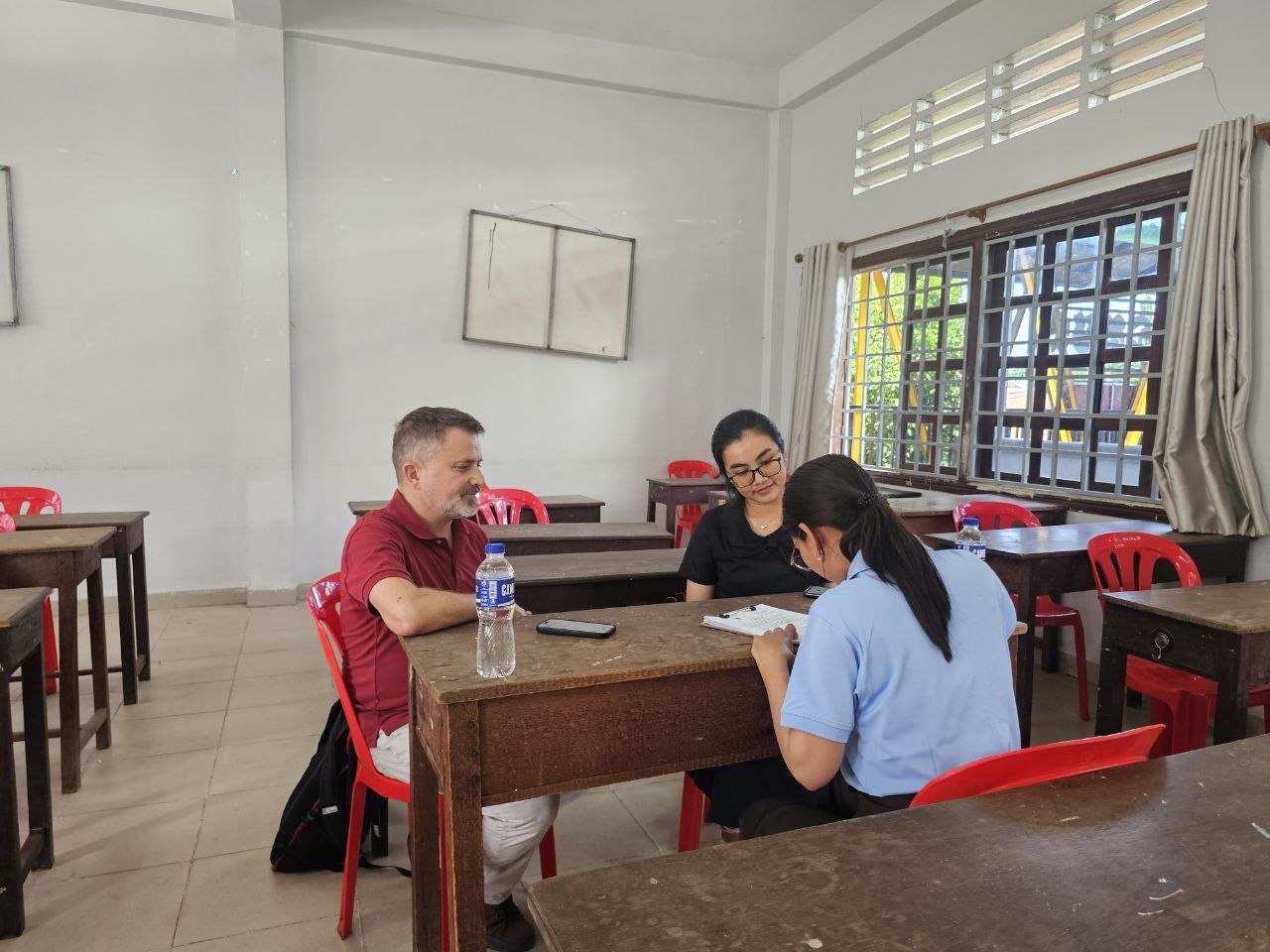
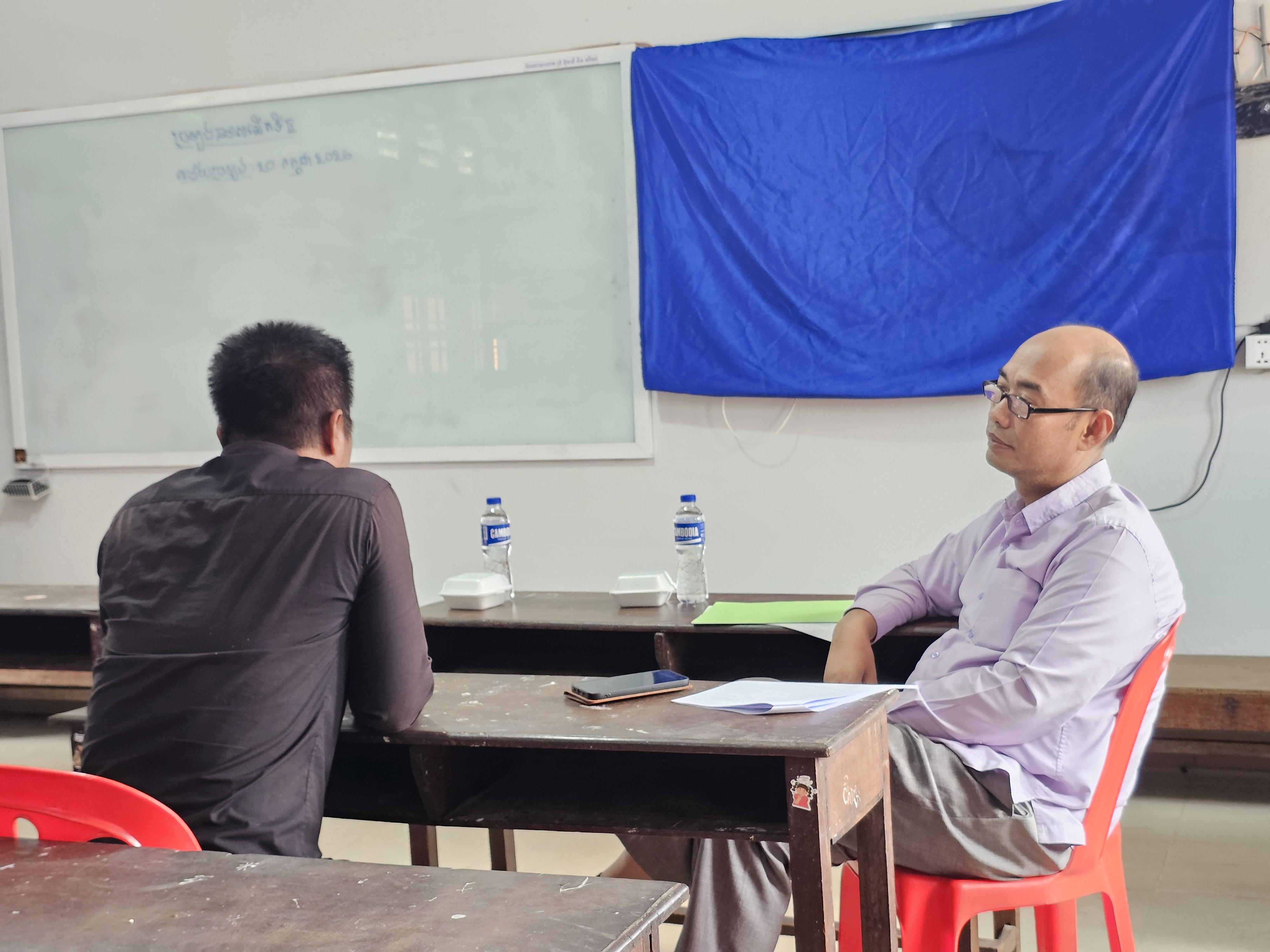
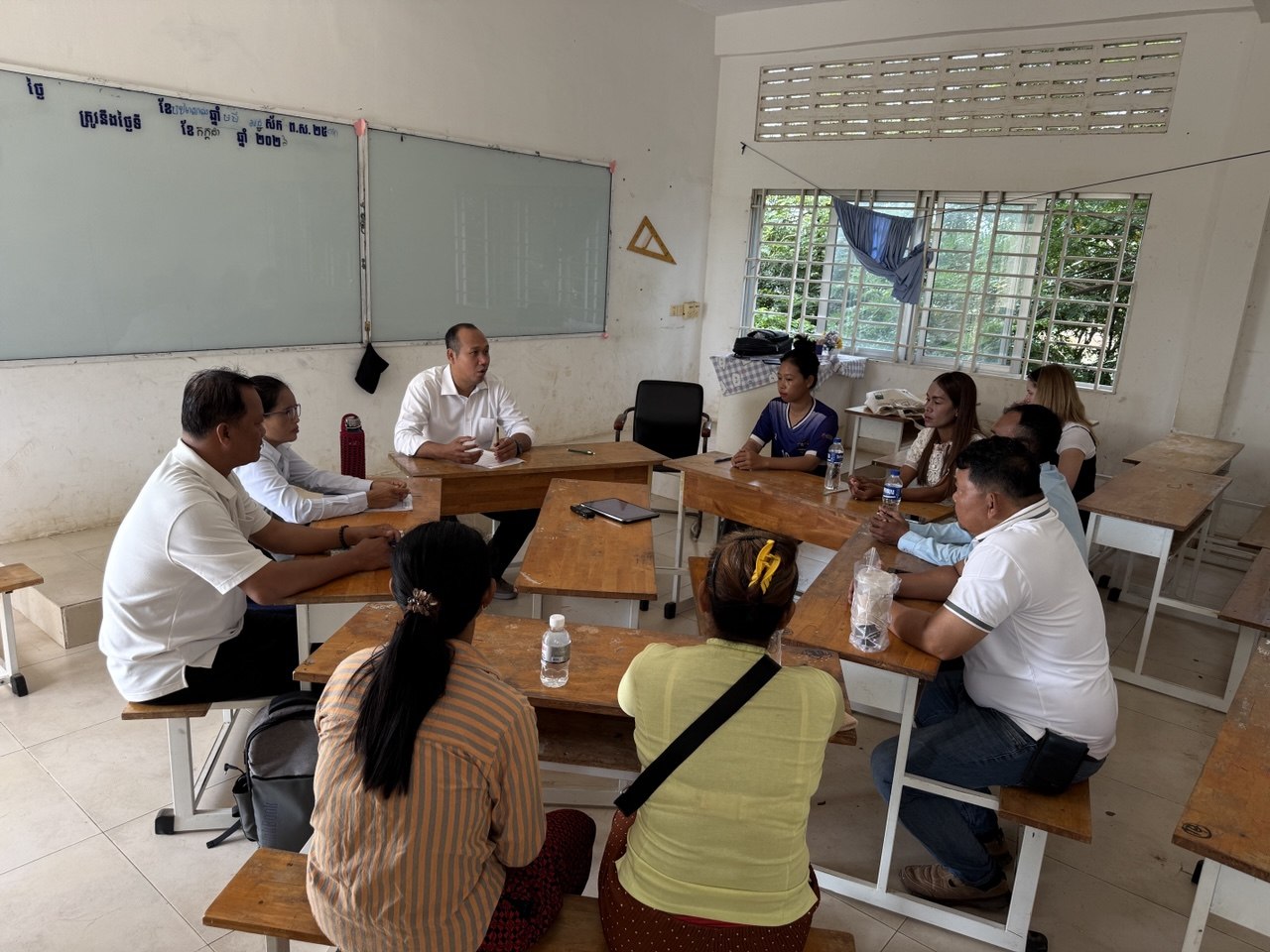
The teams who conducted the data collection:
Kampong Chnnang: Dr. Bunna, Dr. Thearom, Dr. Nil, Ms. Mengleang, Mr. Vandy and Dr. Aisling
Siem Reap: Dr. Sareth, Dr. Sovandara, Mr. Channith, Ms. Socheata, and Dr. Francois