Qualitative Data Collection in Vietnam
From May 13th to May 16th, 2026, the M-BRIGHT project successfully conducted a comprehensive qualitative data collection field trip across Vietnam.
/filters:format(webp)/prod01/channel_330/wiph/media/the-wolfson-institute-of-population-health-wiph/2.-Boats-Khanh-Hoa.jpeg)
This intensive four-day qualitative data collection marks a significant milestone in the project’s objective to understand and improve mental health support structures within local educational environments.
A collaborative team of nine interviewers included team members from the Vietnam partner organization alongside researchers from Queen Mary University of London. A qualitative data collection training workshop led by qualitative data experts from Queen Mary University was conducted before the field trip to discuss protocol and procedures for data collection.
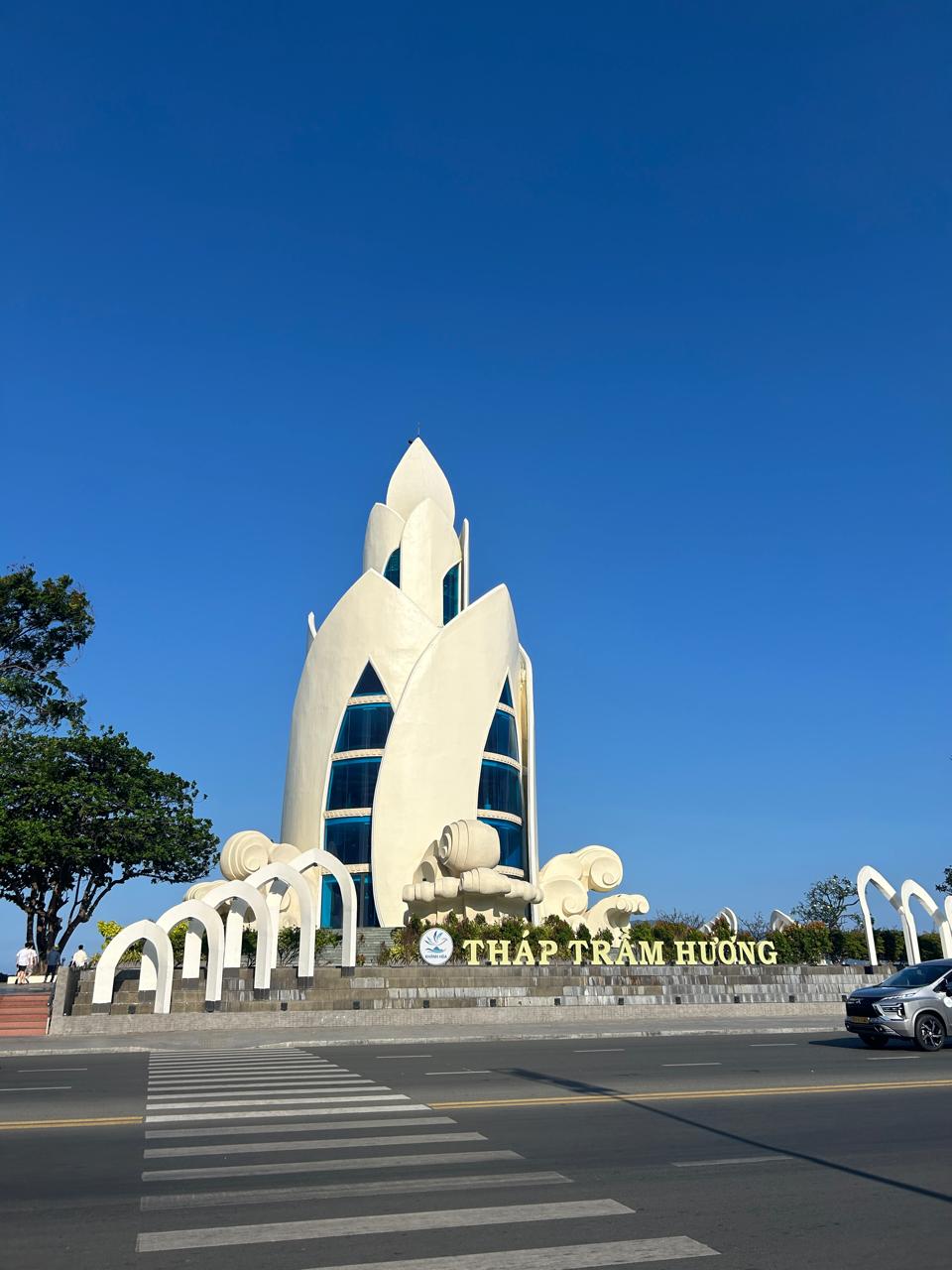
The locations of the field trip were Khanh Hoa and Hung Yen. Working to a highly ambitious schedule, the joint research team conducted approximately 80 interviews over the four days. To capture a robust and multi-dimensional understanding of the local landscape, the researchers utilized a mix of methodologies, including In-Depth Interviews (IDIs), Key Informant Interviews (KIIs), and Focus Group Discussions (FGDs).
A core strength of this phase of the M-BRIGHT project was the diversity of its participants. The team cast a wide net, engaging directly with students, parents, teachers, and school board members to understand their perspective on the project activities, especially schools’ Psychology Club. Local mental health professionals and youth experts were also consulted for unique insights.
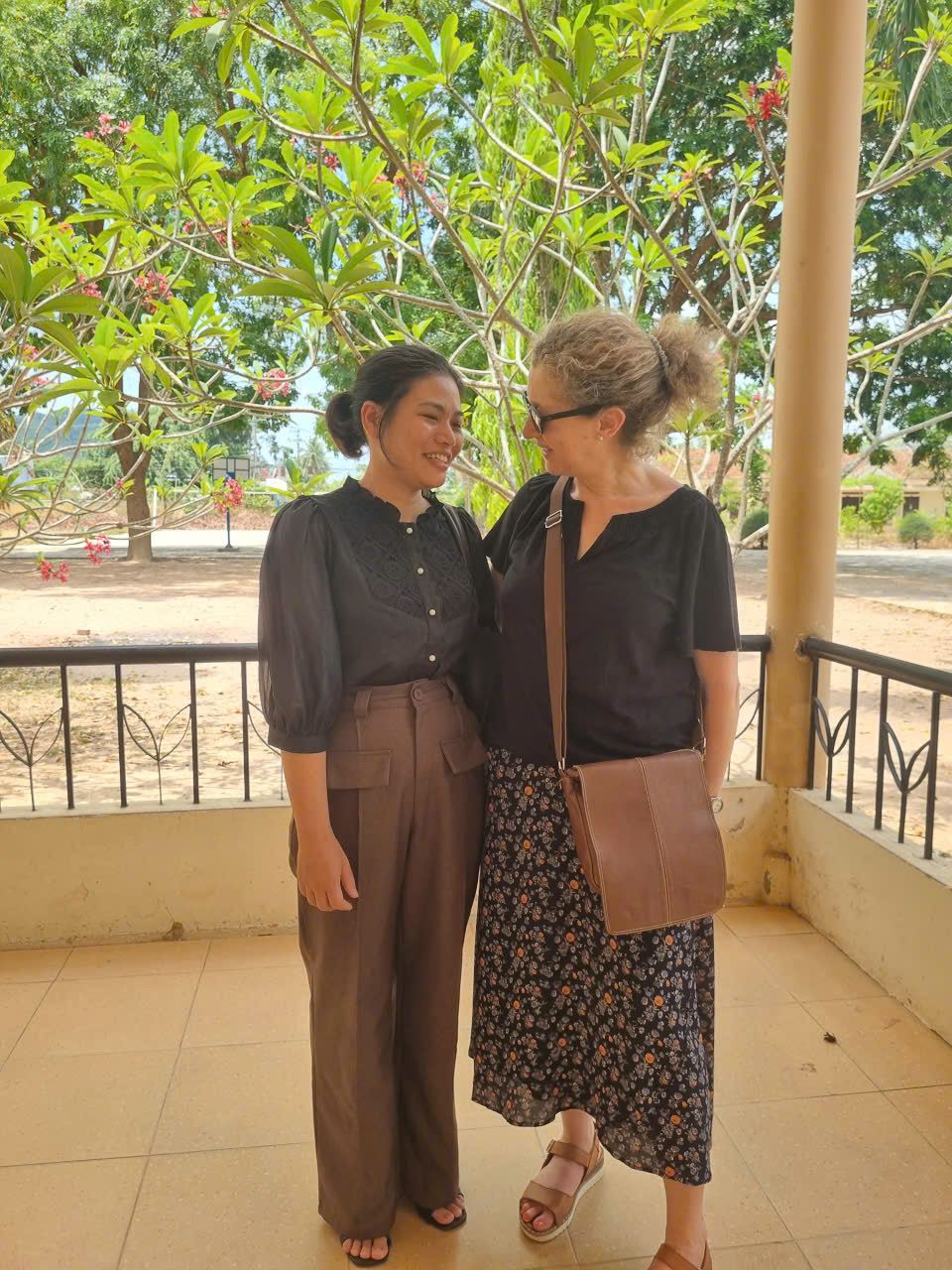
The field trip provided a profound opportunity for connection. Researchers were able to step out of the academic sphere and explore the firsthand perspectives of the participants, listening to their deeply personal stories regarding youth mental health challenges and triumphs. Furthermore, the grassroots nature of the fieldwork successfully bridged the gap between project members and local communities, fostering vital relationships with the local schools.
As the M-BRIGHT team transitions from field collection to data analysis, the lived experiences gathered from Khanh Hoa and Hung Yen will be instrumental. These insights will directly inform the project's next steps. Participants succeeded to provide various useful suggestions on how to improve the Psychology Club, what needed to be changed and how to make it a sustainable solution for youth mental health support in the local area.