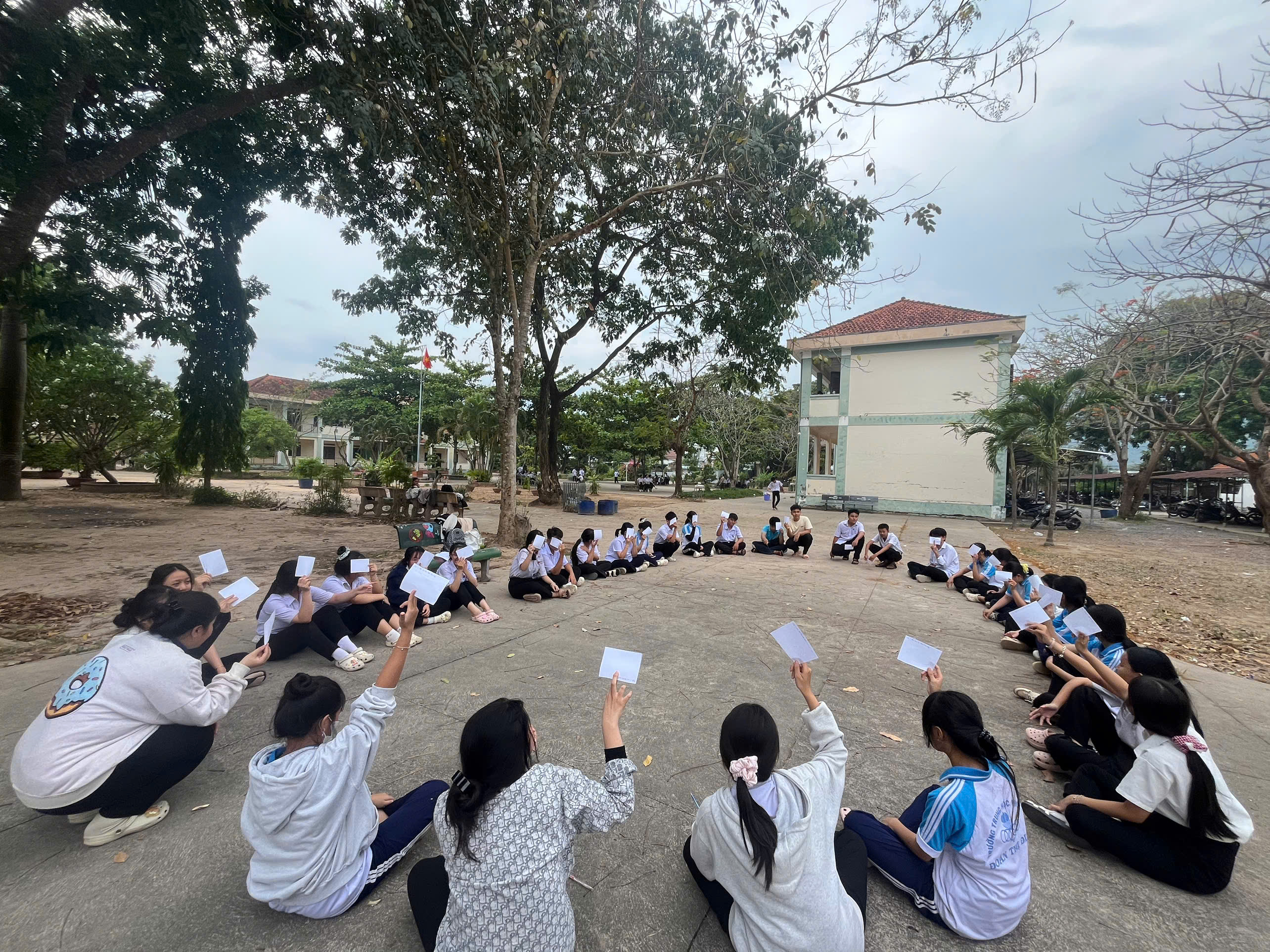
Keeping the flame alive: The Doan Thi Diem High School Psychology Club
As one of two suburban high schools in Khanh Hoa to join the project from the very beginning, Doan Thi Diem High School faced plenty of skepticism when first introducing "mental health" to its campus.
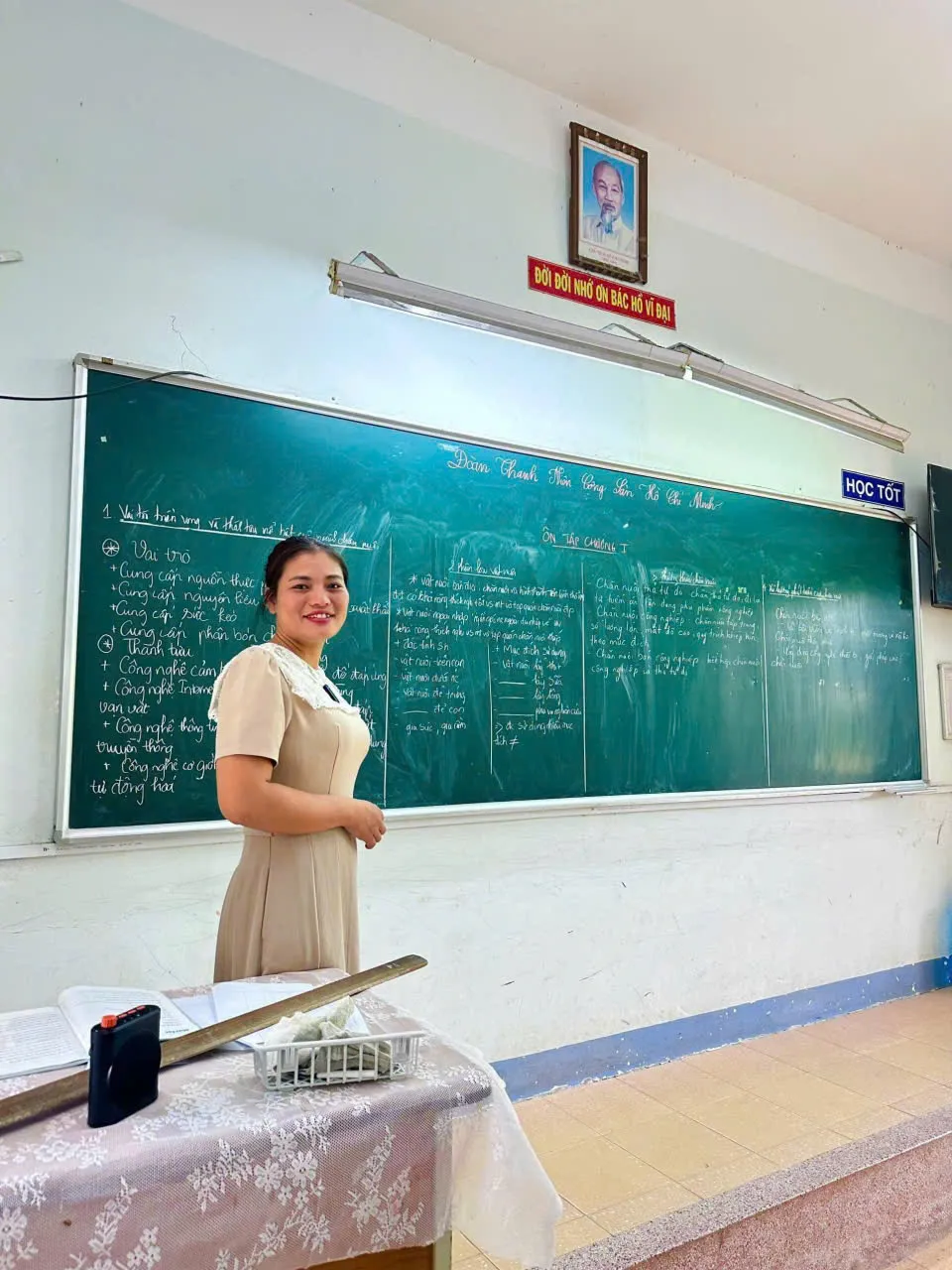
Ms. Pham Thi Thu Ha
Speaking at an October 17 training session, Ms. Pham Thi Thu Ha - the teacher leading the school’s Psychology Club - moved the entire room with her heartfelt story of breaking down stigma and keeping the club’s lights burning against the odds. Recalling the early days of handing out sign-up sheets, Ms. Ha shared a phone call she received from a well-educated parent working in education: "What kind of project calls itself 'mental'? Does my child have something wrong with them that they need to join this group?" Parents and students alike initially recoiled from the word, terrified of peer mockery or medical labelling. To help students feel safe, she simply pivoted to calling it the "Psychology Club" - a softer, more welcoming entry point.
After a year of steady meetings, those efforts paid off. Mental health has since become a normalised, everyday part of school life. Students no longer shrink away; instead, they dive in eagerly, learning how to manage their emotions and navigate their own struggles. As Ms. Ha put it: "Out of thousands of seeds planted, seeing just one sprout and shine makes it all worth it."
Her drive goes beyond professional duty; it comes from the heart of a mother of three who simply wants her children and students to grow up empathetic, grounded, and equipped to handle the pressures of the digital age. Logistical hurdles abound - from students buried in extra classes and split morning-afternoon schedules to safety concerns during erratic weather - yet Doan Thi Diem High School refuses to let the club fade. Ms. Ha is now pushing for official mechanisms and standardised guidelines so that the club’s survival does not rely solely on individual burnout-prone passion, but becomes a permanent, sustainable staple for future generations.