
From March 6 to April 4, 2026, the Vietnam team conducted a mid-intervention observation at five schools in Khanh Hoa and Hung Yen province
The team were able to observe both the indoor and outdoor sessions of the topics of “Depression”, “Eating disorders and body image” and “Suicide and self-harm”, and describe their experiences in this article.
/filters:format(webp)/prod01/channel_330/wiph/media/the-wolfson-institute-of-population-health-wiph/Hands-clasped.jpeg)
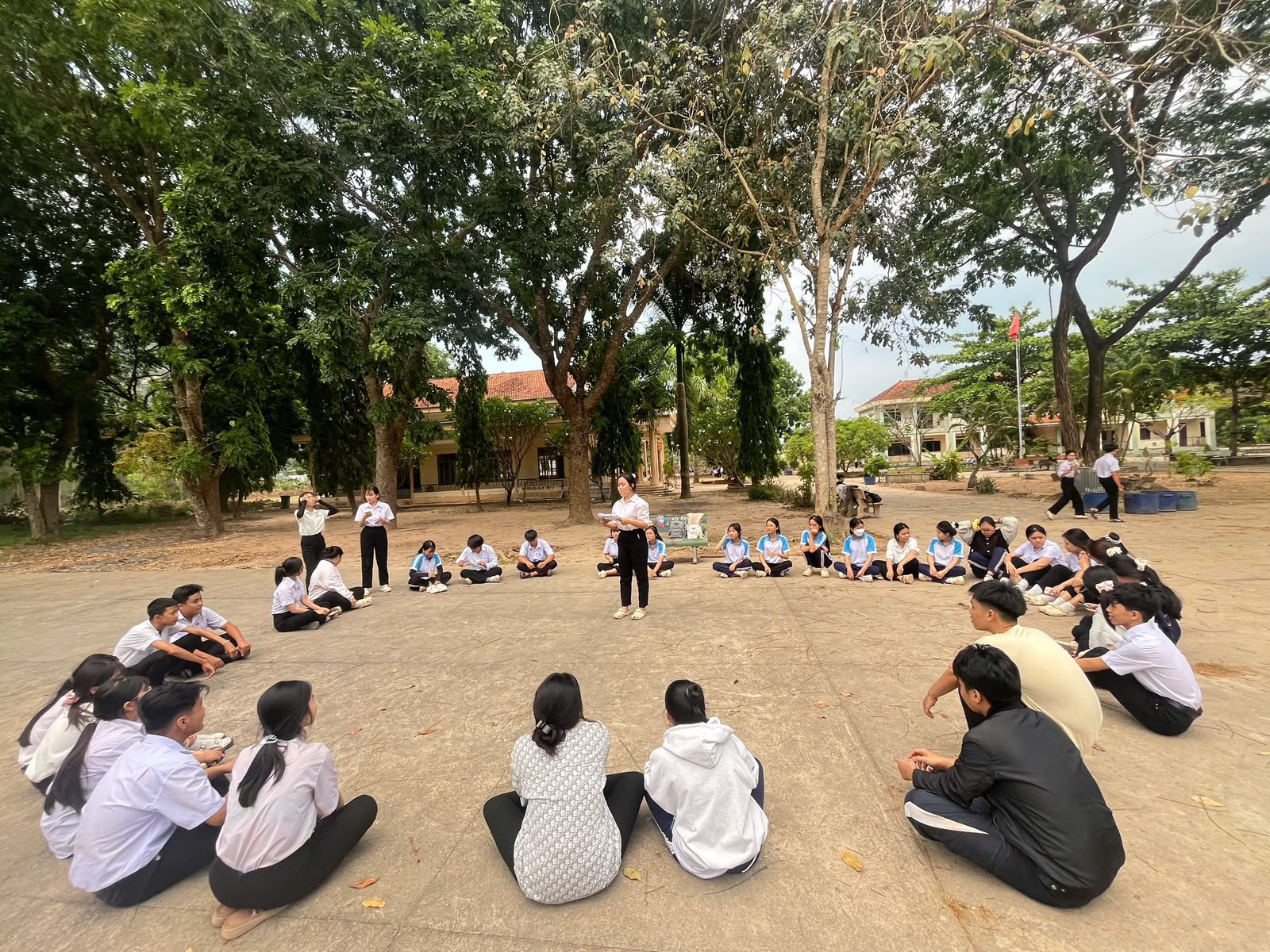
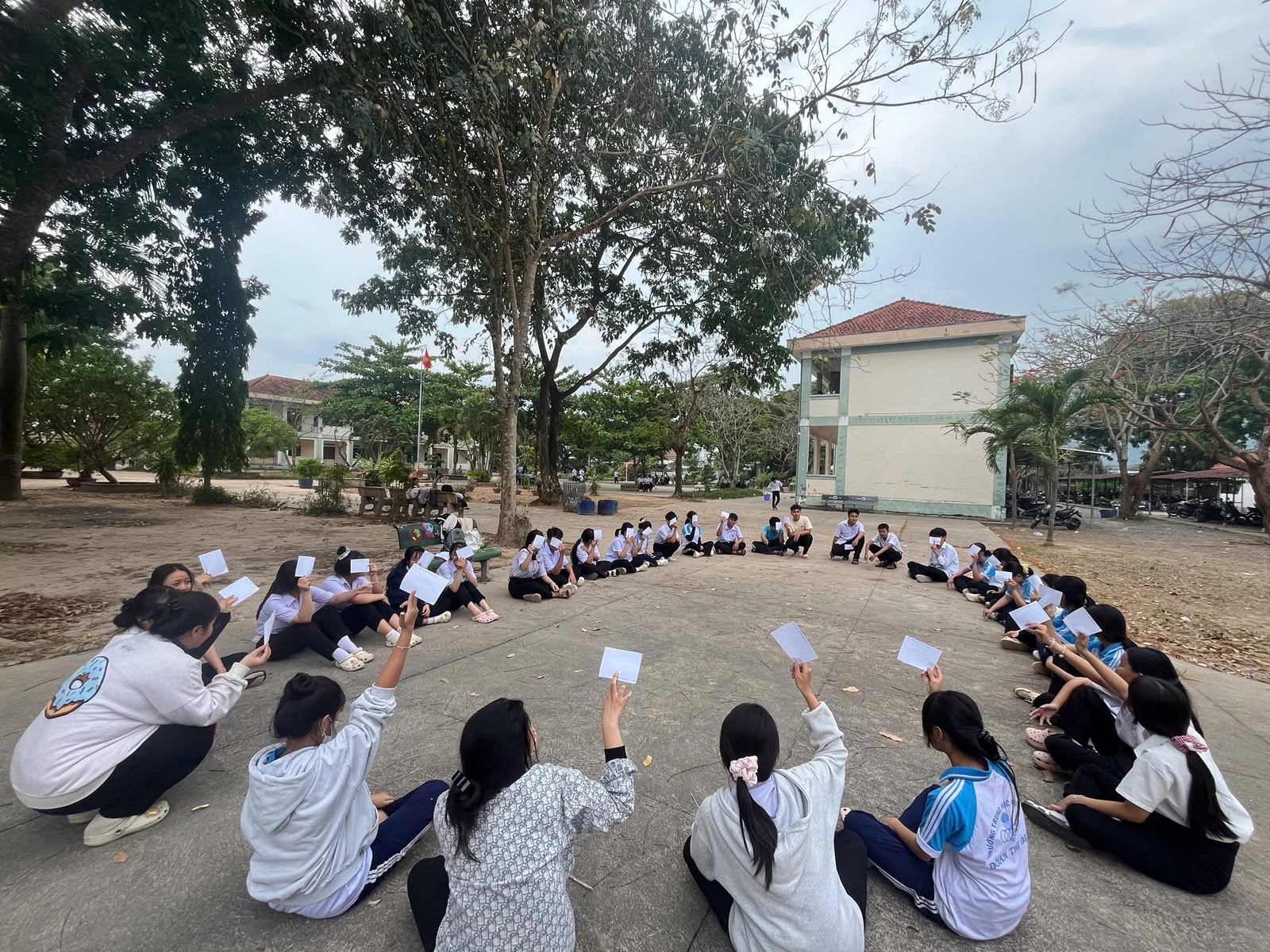
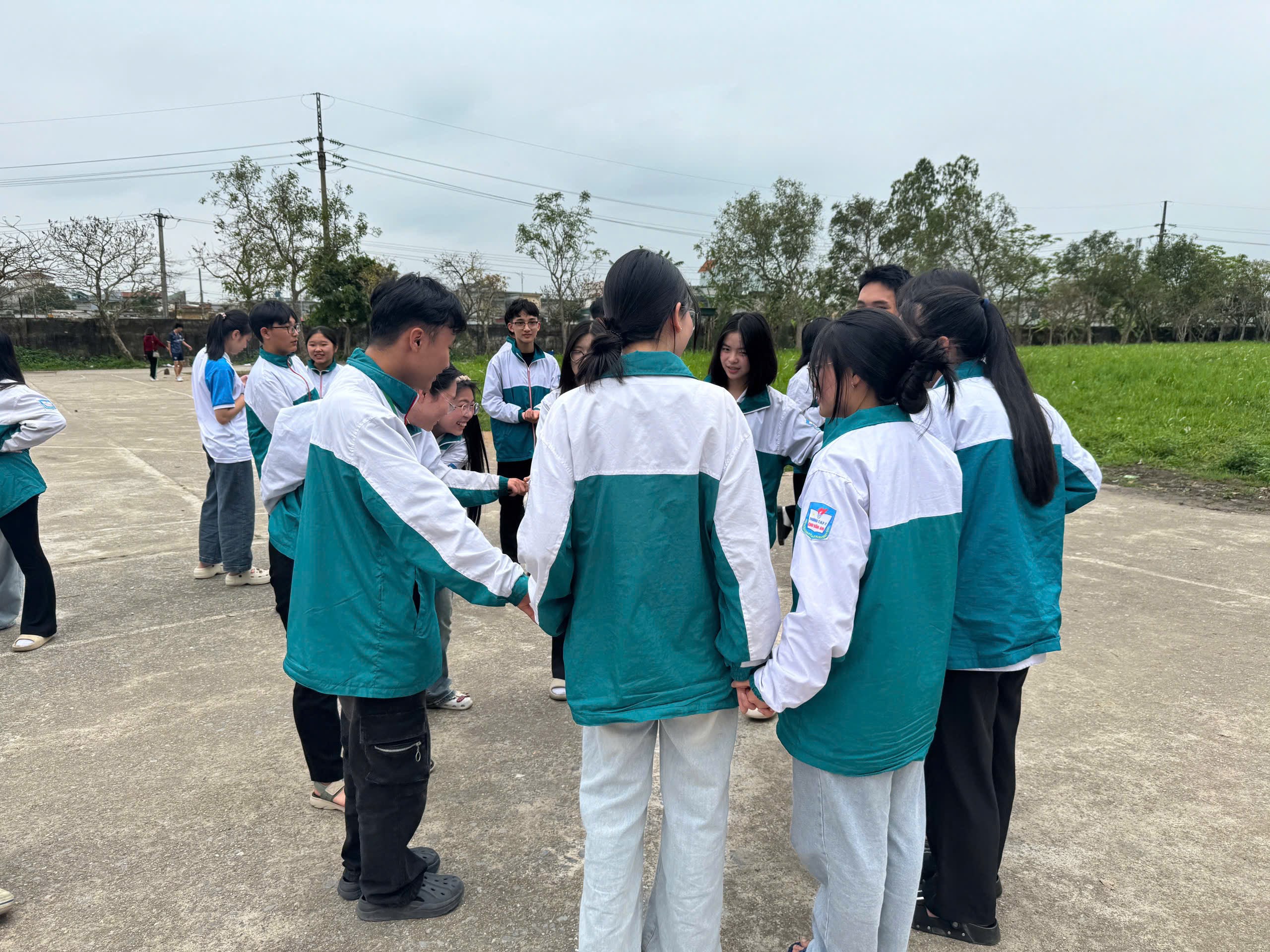
Based on our observation, most of the schools adhered closely to the topics and the activities of the interventions. Some facilitators even printed out the manual so that they could follow the instructions of the manual carefully. Some schools made some minor changes such as adding a breathing exercise at the beginning of the session to help students feel more relaxed or changing the outdoor games to make it more suitable for the students’ health. These changes did not affect the main content and activities of the session.
For most schools, the students were able to be engaged in most discussion and teamwork activities in the indoor sessions. They also found the topics to be interesting and relevant to their life. At one school, in Hung Yen, the students expressed that they really liked the topic “Depression.” While the indoor activities provided students with knowledge about mental health as well as teamwork skills, the outdoor sessions allow students to review the knowledge and to exercise through outdoor games. The students in most schools showed great enthusiasm and engagement towards outdoor activities.
Most of the facilitators were enthusiastic and friendly towards the students. Some facilitators prepared for the session very well, as they would read the manual very carefully and prepare all the materials beforehand. Some facilitators commented that through the program, they were able to develop more presentation and activity facilitation skills.
Besides the positive aspects, there were some challenges that occurred during the implementation of the program as well. For example, for one school in Hung Yen, students were often absent due to other priorities such as school activities or extra classes. It is particularly hard to arrange a fixed schedule for the club at this school, since the schedules of the students are packed. The club at this school was scheduled at the end of the morning, after all morning classes ended. This schedule made the students often felt tired and rushed, since they still had classes in the afternoon. These observed and reported challenges are valuable information for the research team. We will continue to improve the intervention program in the future to make the program more sustainable