

Co-Creating Integrated Solutions involving young people, parents and schools to prevent the emergence and escalation of mental health problems in adolescents of minority ethnic background in Birmingham and East London, UK
ABOUT US
Young people from ethnic minority backgrounds are more likely to face mental health challenges but often struggle to access support. Reasons include racism, stigma, language barriers, and a lack of services that reflect their needs and experiences. Families in these communities are also less likely to seek help early, even when they are worried about their child’s wellbeing.
With this context in mind, and funded by the NIHR Three Research Schools Prevention Research Programme, the University of Warwick (UoW) and Queen Mary university of London (QMUL), co-led a small study aimed at co-creating an integrated intervention with young people, their parents / carers and school staff focused on addressing the mental health of youth (aged 11-14) from ethnic minority backgrounds.
The study was run in Tower Hamlets, East London and in Birmingham East. Six schools including mainstream, church, grammar took part: in Tower Hamlets, Morpeth School and Mulberry Academy Shoreditch took part and in Birmingham East, Hodge Hill College, Hodge Hill Girls, Washwood Heath Academy and Sutton Girls Grammer School.
OUR PEOPLE
The study was led by Dr Helena Tuomainen from University of Warwick and Dr Fiona Samuels from Queen Mary University of London. Supporting them in East London was Ilham Yusuf from the Somali-led Women’s Inclusive Team (WIT), also the Somali Parent-teacher liaison at Morpeth School and in Birmingham, Sajda Butt a community-based mental health practitioner and Dr Paul Patterson from the Birmingham Women and Children’s (BWC) NHS Foundation Trust. Professor Jennifer Lau from QMUL played an advisory role.
What we did
The study consisted of 4 main components:
Stakeholder co-design workshops
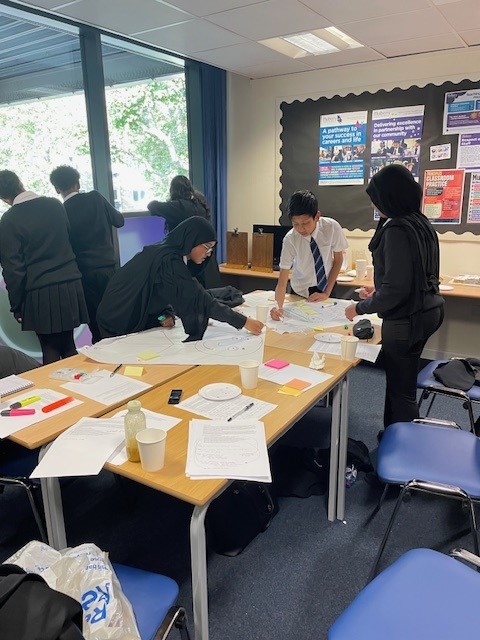
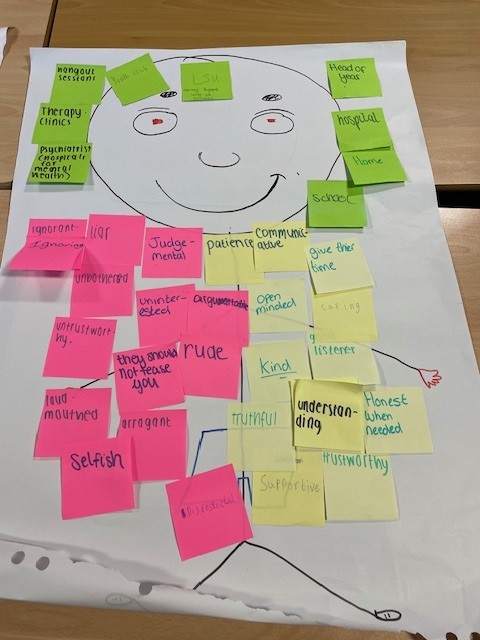
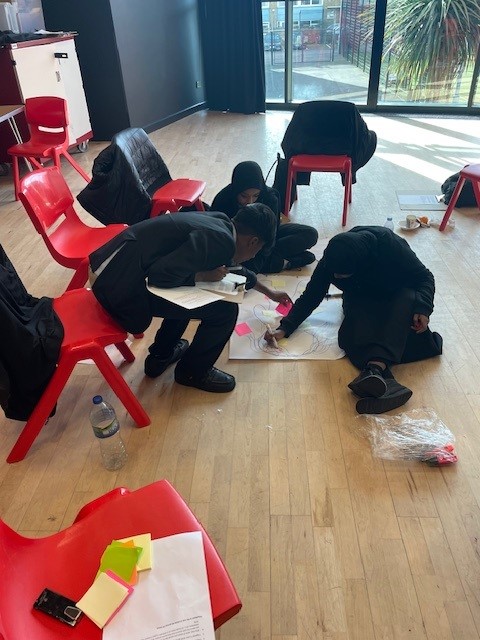
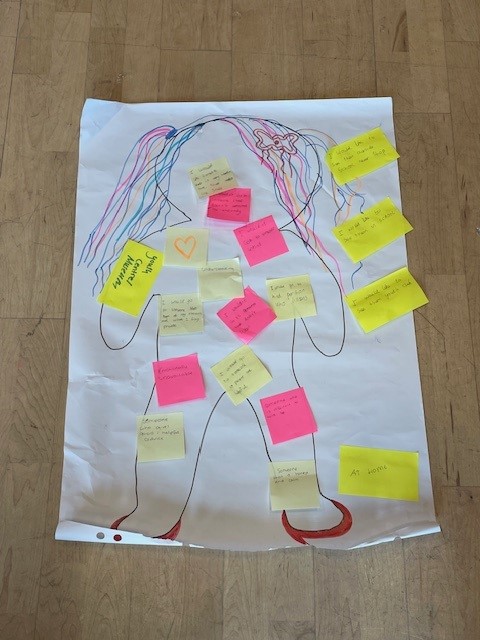
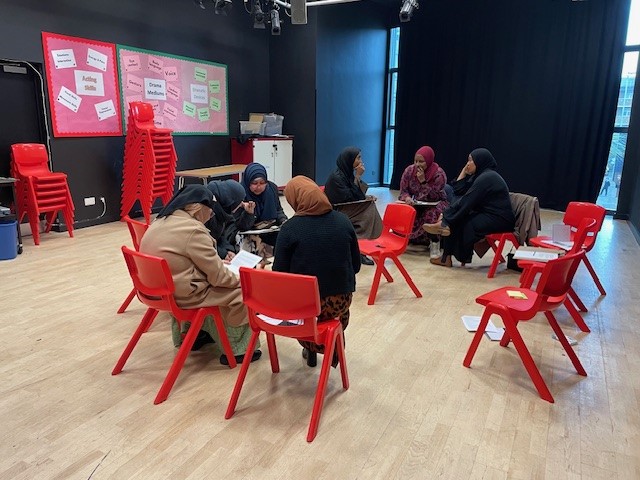
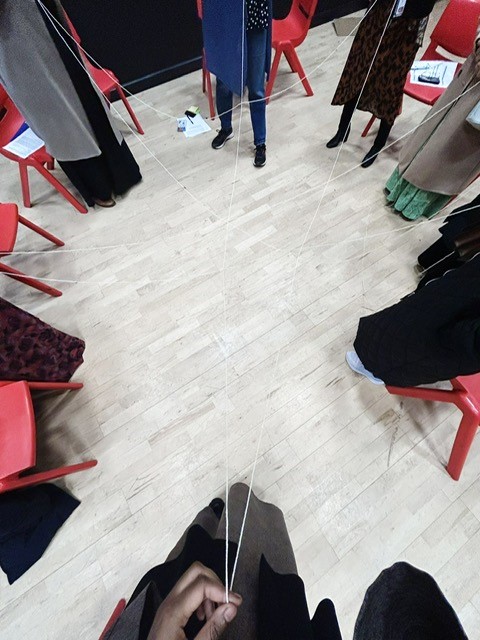
These consisted of separate workshops with young people, parents/carers and school staff. A total of 9 workshops across the two cities were held with a total of 28 young people, 22 parents/carers and 11 school staff. The young people and parents/carers were primarily from Bangladeshi, Somali, Pakistani, Black Caribbean backgrounds. The workshops combined open questions (tailored for the specific groups) and activities, i.e. case vignettes and body mapping. Findings from these workshops identified key elements of an integrated intervention to be then piloted at a next stage.
Identification of and working with people with lived experiences
In each city a parent and a youth with lived experiences became part of the core team: in Birmingham East it was a Pakistani man and a Pakistani male youth (unrelated); in Tower Hamlets it was a Somali female youth and Somali woman (also unrelated). They inputted into the design of the co-adaptation workshops and also reviewed the co-designed elements and provided their inputs. They were remunerated for their time.
Scoping review
A scoping review was carried out exploring UK-based integrated interventions involving young people aged 10-18, parents/carers and schools and/or community organisations. Out of 10,951 titles / abstract screened, a final set of 17 interventions were included. None specifically targeted minoritised ethnic families, and few were co-designed. This will be published shortly.
Mapping exercise
In each city a short online survey was sent to over 250 organisations with the aim of identifying existing interventions in the 2 cities that could be built on for this study. Few relevant initiatives were identified with a couple of promising ones especially in Birmingham East (e.g. South Asian Young People’s Mental Health Project) having low uptake and/or were not continue or scaled up.
Dissemination, ongoing engagement and outputs
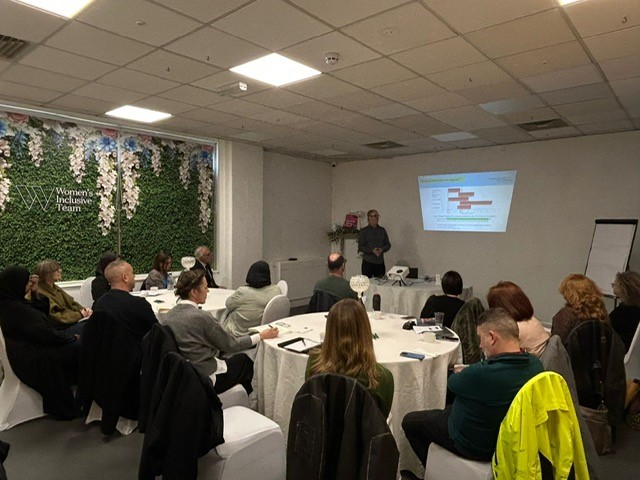
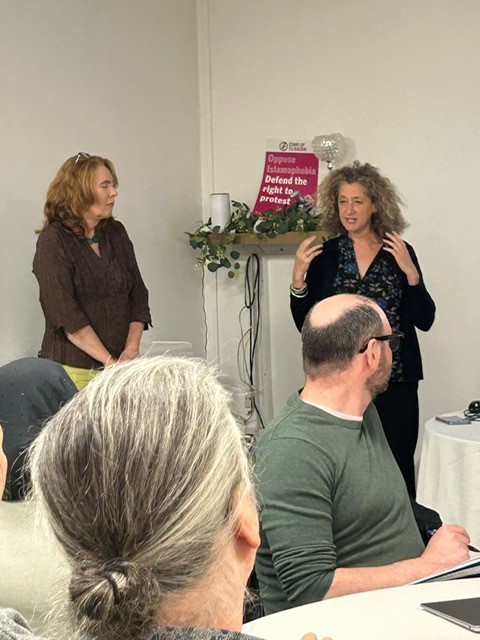
Findings from the stakeholder co-design workshops were presented at a stakeholder event in London, hosted by WIT. Present at the event were representatives from Tower Hamlets and Birmingham East, parents, NGOs and schools. They provided further inputs into the co-designed intervention.
Findings from both the stakeholder co-design workshops and the scoping review were presented at the International School Psychology Association (ISPA) conference – an oral and a poster presentation respectively.
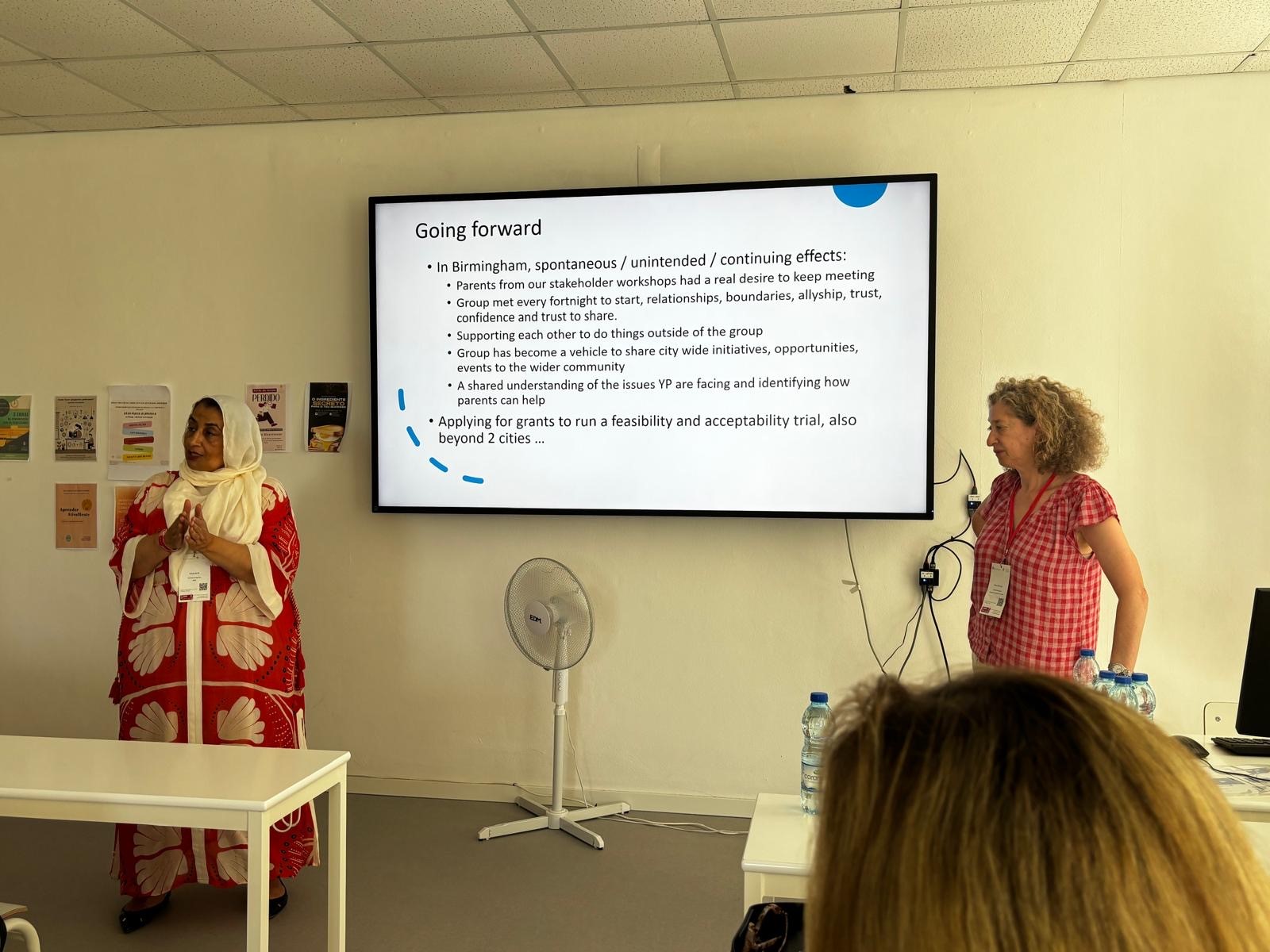
The team is submitting for further funding to carry out a feasibility and acceptability study.