
25 Hours That Shook the Cancer Screening World
In just 25 hours, years of research, collaboration and ambition came together in a series of milestones that could help shape the future of cancer screening. From the publication of major NHS-Galleri trial findings and new international research guidelines to a landmark FDA Advisory Committee recommendation, Professor Peter Sasieni reflects on an extraordinary moment for multi-cancer early detection – and the people behind the progress.
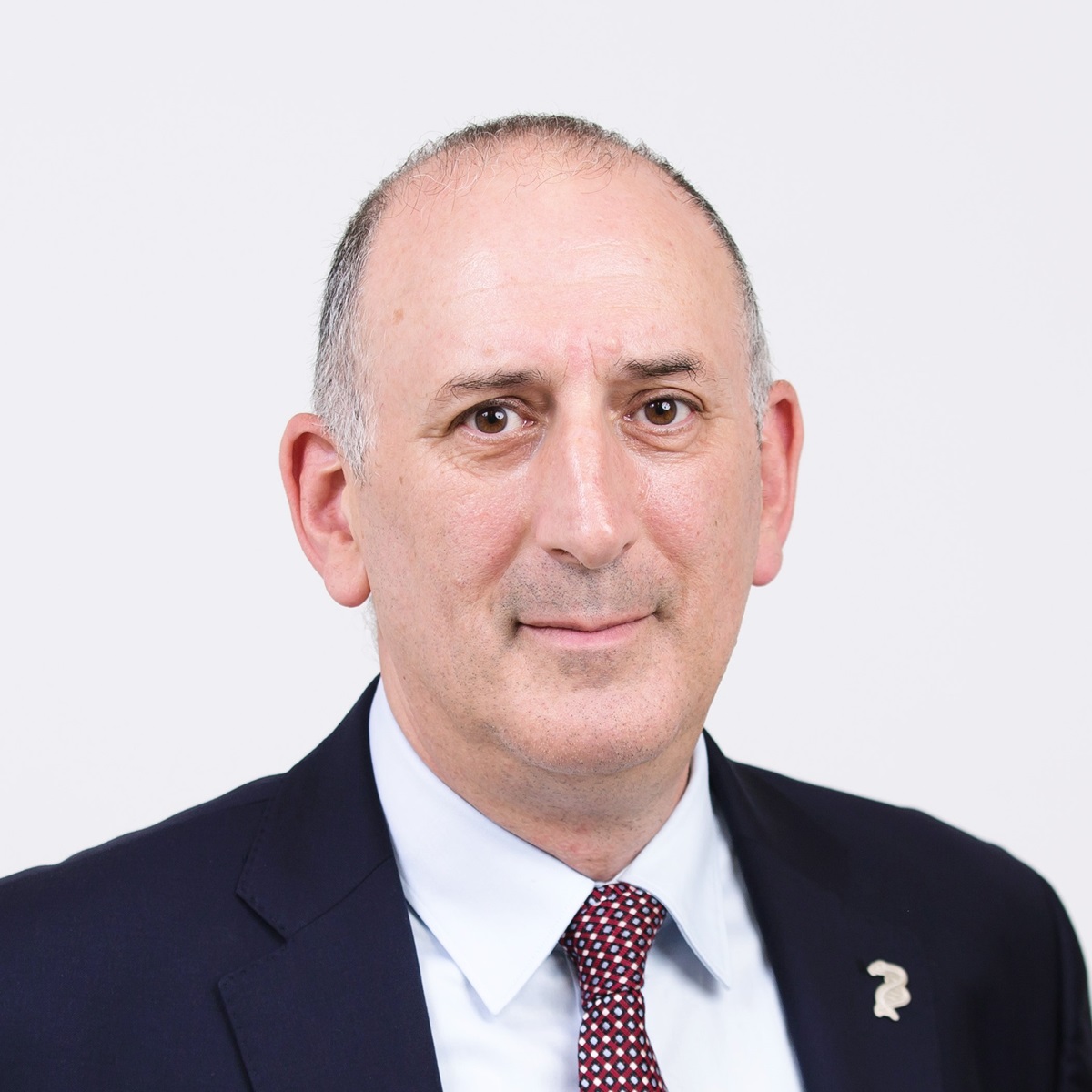 Professor Peter Sasieni is Professor of Cancer Epidemiology and Centre Co-Lead of the Centre for Cancer Screening, Prevention and Early Diagnosis at Queen Mary University of London. As one of the researchers involved in the NHS-Galleri trial, he reflects on an extraordinary 25 hours in September that brought together years of work and marked significant developments in the future of multi-cancer early detection.
Every so often, a handful of hours arrive that seem to capture years of work, thousands of contributions, and the possibility of genuine change.
For me, 22-23 September 2026 was one of those moments.
In the space of just 25 hours, a series of developments took place that I believe will shape the future of cancer screening for decades to come. Together, they brought us a step closer to a future in which many more cancers are found early, before symptoms develop, and where fewer people are diagnosed with advanced disease.
After more than six years of work on the NHS-Galleri trial with colleagues at The Cancer Research UK Cancer Prevention Trials Unit (CPTU), Queen Mary University of London, GRAIL, NHS England and partner universities, it was extraordinary to see so much progress converge in such a short period of time.
A remarkable sequence of events
At 5pm Eastern Time on 22 September, three major research articles and two editorials on multi-cancer early detection (MCED) screening were published simultaneously.
Two of those papers, one in The New England Journal of Medicine and another in Nature Medicine, represented the culmination of years of collaboration between researchers, clinicians, trial teams, health services and industry partners on the NHS-Galleri trial.
At the time of publication, I was sitting in a taxi travelling from Washington airport to Bethesda, reading the editorials and exchanging messages with colleagues in London. It was one of those surreal moments when the significance of a body of work begins to sink in.
A few hours later, at one minute past midnight, another important milestone arrived. The American Cancer Society's Peachtree Consensus guidelines on MCED trials were published. I was honoured to contribute as an author alongside an international group of experts.
While less visible than a randomised clinical trial publication, consensus guidelines can have enormous influence. For the first time, researchers from different backgrounds and perspectives reached agreement on key principles for evaluating MCED screening, including the use of late-stage cancer incidence as an interim endpoint. This may sound technical, but it represents a fundamental shift in how future screening trials are likely to be designed and assessed.
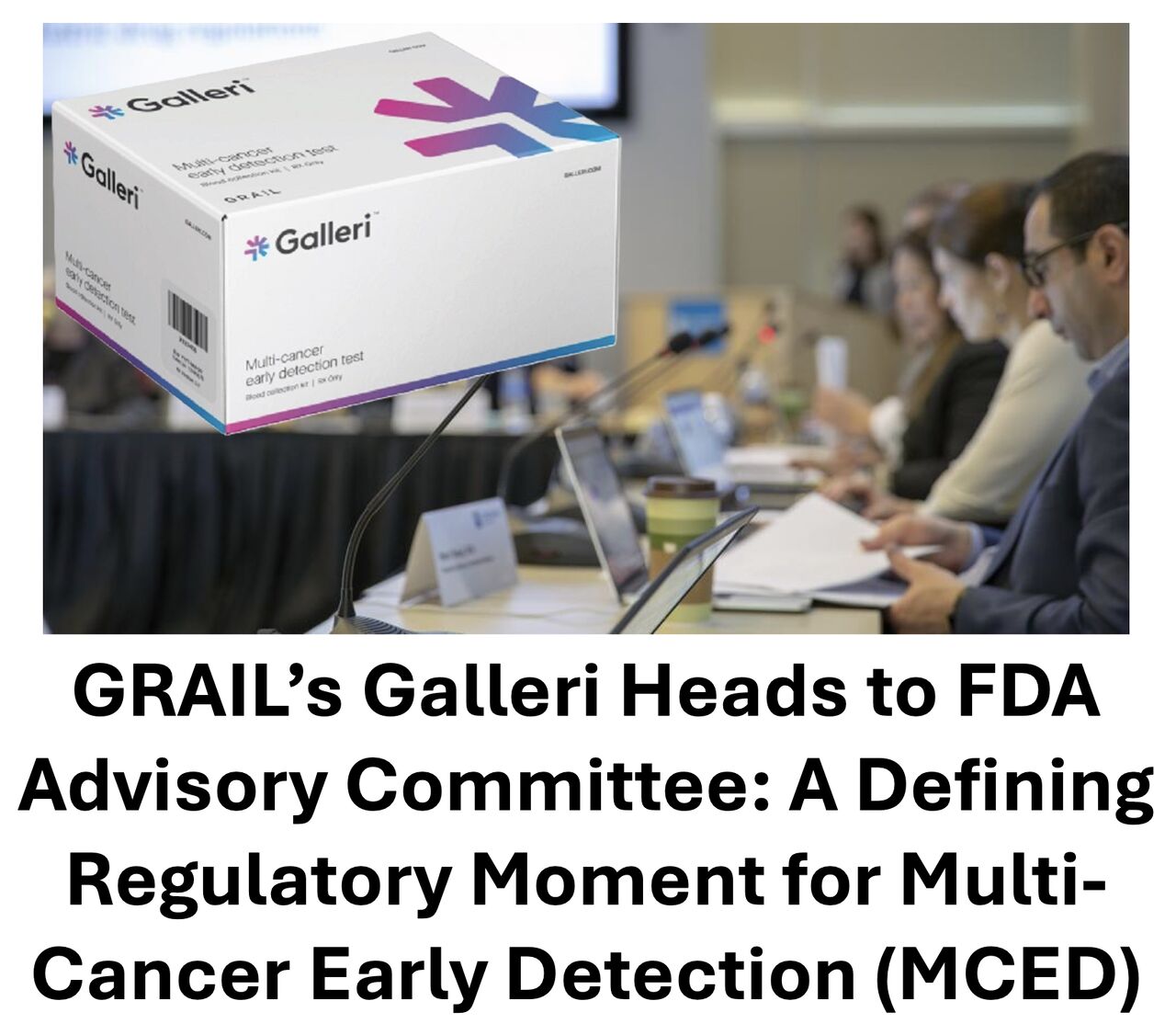 Then came the culmination of the 25 hours.
Just before 6pm on 23 September, after nine hours of presentations, discussion, patient testimony and deliberation, an FDA Advisory Committee voted to recommend approval of GRAIL's Galleri test for adults aged 50 and older.
The recommendation is non-binding and there remains much work ahead. Nevertheless, it marks a historic milestone as the first federal panel recommendation of its kind for a blood-based cancer screening test intended for healthy individuals.
Responding to the sceptics
As with any innovation in screening, healthy scepticism is important.
The Galleri test is not perfect. It misses many cancers that will go on to be diagnosed and there is still much to learn about how best to use MCED testing in practice.
However, some critiques risk overlooking the scale of what has already been achieved.
Until now, cancer screening has largely been organised one organ at a time. We screen for cervical cancer, breast cancer, bowel cancer, smoking-related lung cancer, and a small number of other conditions separately. The prospect of a single blood test capable of detecting signals associated with many different cancers represents a genuinely new approach.
In the NHS-Galleri trial, around 1% of tests were positive, and just over half of those individuals were diagnosed with cancer. Some have described this as being little better than a coin toss.
That comparison misses a crucial point.
More than 50% of participants with a positive test result were subsequently diagnosed with cancer. To put that in context, around 6% of people referred with urgent suspected cancer symptoms and around 26% of women with a positive breast screening test are ultimately diagnosed with cancer. A positive Galleri test therefore identifies a group of people at substantially increased risk who warrant further investigation.
Among people in the general population who are not screened, only around one in four hundred will receive a cancer diagnosis in the following three months. A positive Galleri test increases that likelihood dramatically- approximately 200-fold. In other words, a positive result identifies a group of people whose risk is vastly higher than that of the general population.
While the NHS-Galleri trial did not meet its primary endpoint of reducing the combined incidence of stage III and IV cancers within 3-4 years, it did show fewer stage IV cancers among people offered the blood test, more cancers diagnosed at earlier stages, and fewer cancers presenting as emergencies. These results provide important evidence as researchers continue to evaluate the long-term impact of MCED screening, particularly given that stage IV cancers are often harder to treat successfully and place a considerable burden on patients and healthcare systems alike.
Importantly, the impact appeared to strengthen with longer follow-up, suggesting that the benefits of repeated annual screening may take time to emerge fully.
A trial on an extraordinary scale
The NHS-Galleri trial is remarkable not only for its scientific ambition, but also for its scale. More than 142,000 people aged 50-77 were recruited across England in just over 10 months, making it the fastest-recruiting clinical trial since the Salk polio vaccine trial in 1950.
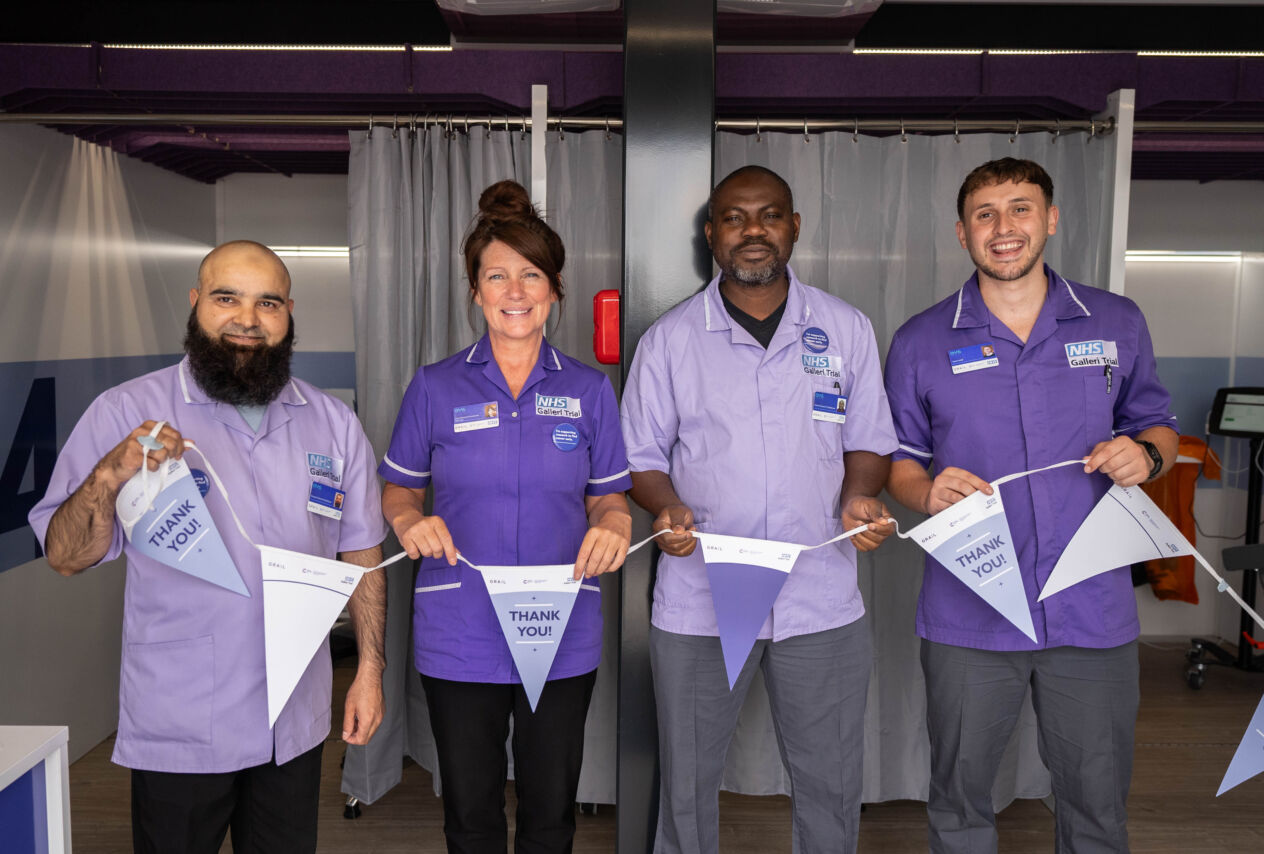 The trial also succeeded in recruiting a diverse and representative population, including strong participation from communities that are often under-represented in research. This achievement reflects the dedication of trial staff and NHS workers, and the commitment of thousands of volunteers who chose to take part.
The people behind the progress
Sitting in the FDA meeting room, I found myself reflecting not so much on the presentations or the vote itself, but on the people who made it possible.
The 140,000 volunteers who agreed to participate in the NHS-Galleri trial.
The NHS staff who diagnosed, treated and cared for patients.
The researchers, statisticians, trial managers, nurses, laboratory teams and administrative staff who contributed countless hours over many years.
The colleagues in academia, the NHS, and industry who worked through challenges, disagreements and setbacks in pursuit of a common goal.
And, of course, the families who supported all of us through the long hours required to deliver research of this scale.
Most of all, I thought about friends who are no longer here.
Many of us working in cancer research can put names and faces to the statistics we discuss. People we cared about who might have benefited from earlier diagnosis, gentler treatment or simply more time.
Research is often measured in papers, presentations and policy decisions. But its true value lies elsewhere. It lies in the lives that may ultimately be changed.
There is still much to learn before multi-cancer early detection becomes part of routine healthcare. The NHS-Galleri trial did not meet its primary endpoint, and important questions remain about the long-term impact of screening on cancer outcomes. Further follow-up will be crucial in understanding how the differences seen in stage IV cancers, emergency presentations and earlier-stage diagnoses evolve over time.
Yet after witnessing these extraordinary 25 hours, I find myself more optimistic than ever about the future of cancer screening.
The story of multi-cancer early detection is still being written. But these 25 hours felt like the beginning of a new chapter, one that offers genuine reason for hope in the future of cancer prevention, early diagnosis and cancer care.
Enjoyed this article? Subscribe to our blog to receive updates when we publish new posts on cancer screening, prevention and early diagnosis.