
The Importance of Fieldtrips for Teaching and Learning
Discover how field trips help Biology and Zoology students at Queen Mary develop practical skills, gain real-world research experience and learn beyond the classroom. From exploring Scotland’s coastline to studying wildlife in South Africa, find out how hands-on fieldwork brings learning to life, builds teamwork and prepares students for future careers.
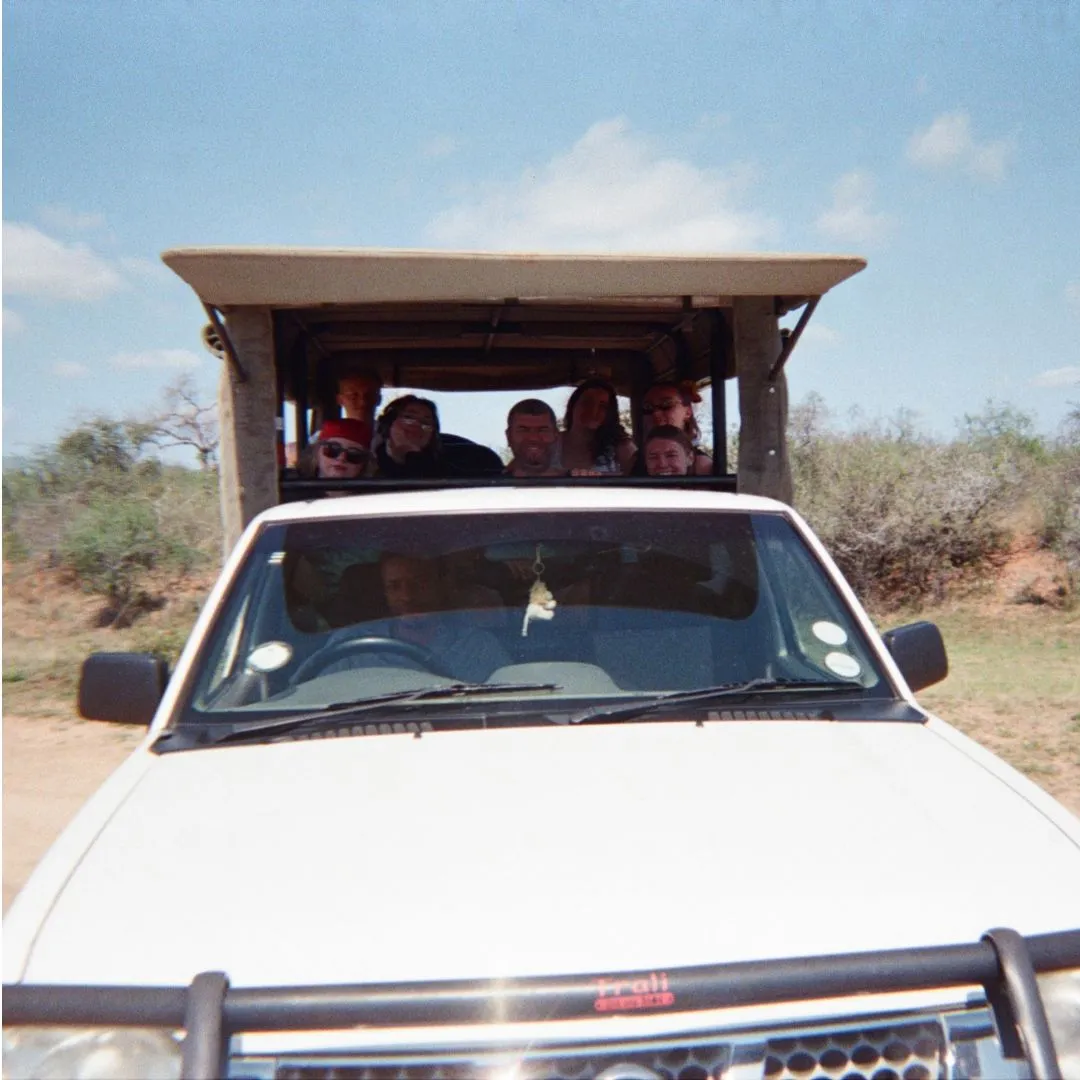
Fieldtrips are an incredibly important part of our teaching on the Biology and Zoology programs here within the School of Biological and Behavioural Sciences. They are present in all three years of our undergraduate degrees, though are primarily optional.
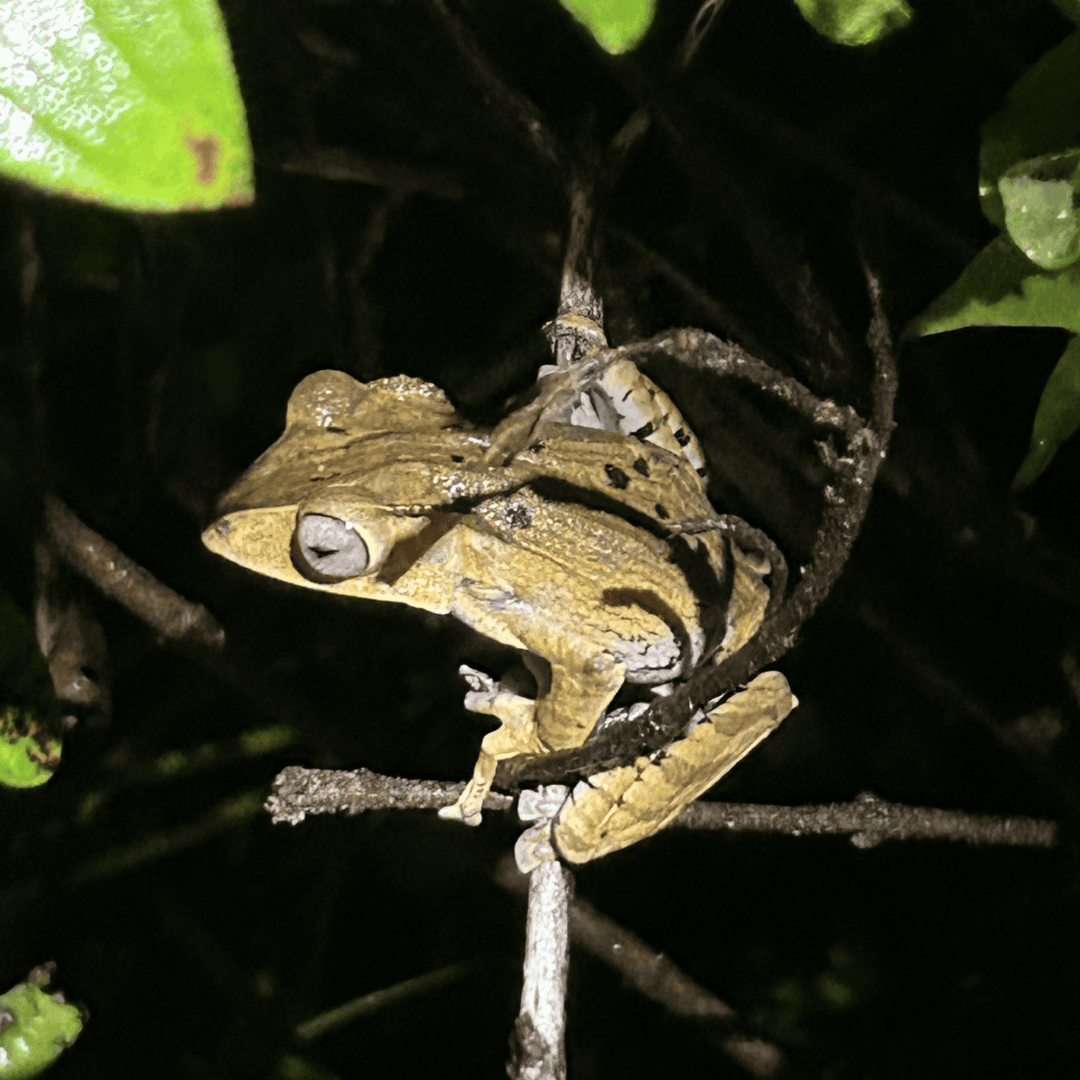
They are important as they provide the chance to gain skills and experience and make observations that are simply impossible to get in the lab. This comes from being able to observe and apply knowledge outside of controlled conditions and with the real interactions between whole populations of animals and plants, the parasites, diseases, rainfall, climate, temperature and everything else that goes into a working ecosystem.
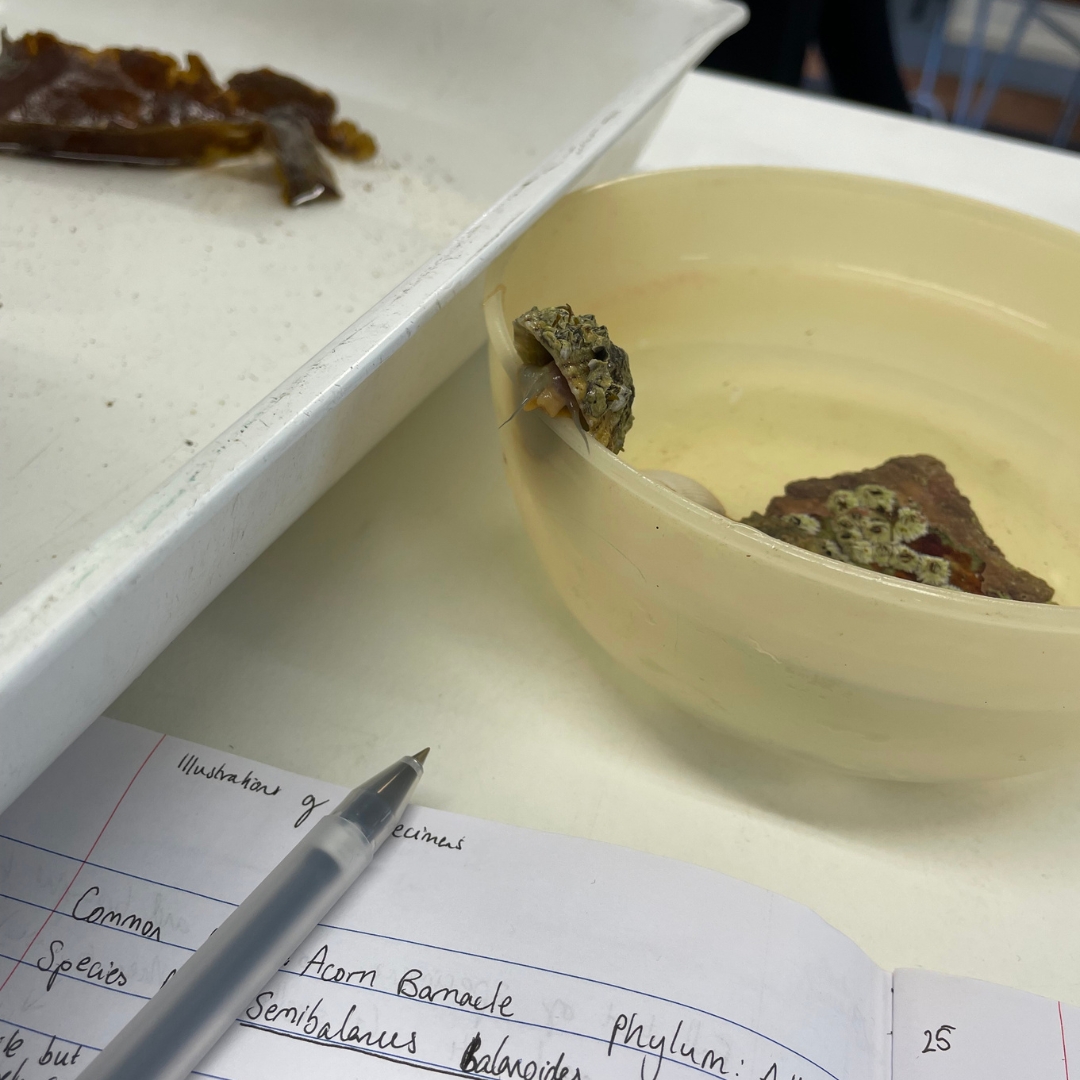
That comes on top of the other opportunities that these trips afford to students. Feedback from them on these trips is always positive as it gives them new opportunities to develop as well as spending extended time with academics in an unusual learning environment. Such work we know also encourages and develops teamwork skills, and indeed it can be hard not to. After all, fieldtrips, in the UK or abroad, produce bonding over new experiences, whether that’s getting an amazing sighting of giraffe in an African sunset, or standing in the freezing rain trying to measure starfish on a Scottish beach. It comes with the chance to experience a different culture together too, from deep-fried Mars bars to a traditional braai.
An important factor for teaching is that these modules offer both “authentic assessment” and “experiential learning”. The former term refers to the fact that the actual grades on the modules come from real activities that a practicing biologist might do – ecological surveys, analyses of observed behaviour, taking notes in the field and the like and so our assessments represent real-world scenarios for the working world of field biology. The experiential learning comes, as you have probably guessed, from the very hands-on nature of field work, and again the fact that these are skills best learned by actually doing them, meaning students are directly learning these professional skills effectively ‘on the job’.
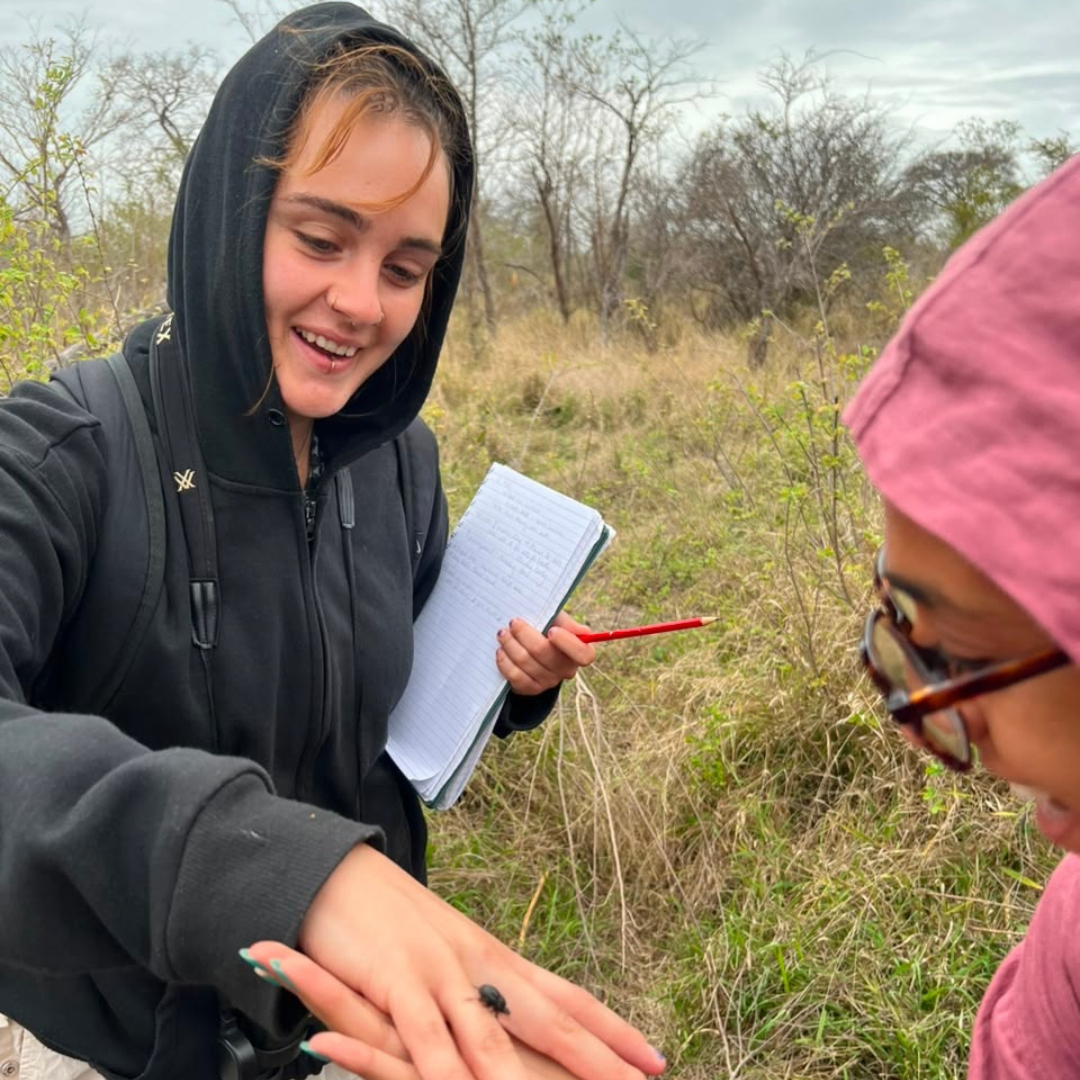
In the first years, we have some compulsory day trips into the field (for Biology and Zoology program students) as part of the Ecology module, and then options open up in future years. In the second year, we have a new Marine Invertebrate Biology trip to the Isle of Cumbrae in Scotland in September, and Ecological Interactions to Croatia in April. In August at the start of third year, we have our flagship program, 10 days in South Africa in and around the legendary Kruger National for the Savannah Ecology and Conservation module.
The Scotland trip is entirely free for students, and for Croatia and South Africa, students only pay their travel costs, and pay nothing for food, accommodation, in country travel etc. So, these are very heavily subsidised to help support our students and make these accessible to as many students as possible, and we are working to make them more accessible still going forwards.
So important are these trips for student learning, this year we have expanded them for other programs. Our new Integrated Human Physiology trip to Queen Mary’s Medical School on Malta runs for the first time this November. This gives students on the Medical Genetics, Biochemistry and Biomedical Sciences programs a chance for a change of scene, a touch of winter sun, and the chance to get some of these benefits of fieldtrips into their degrees too.
- Dr Dave Hone
Reader in Zoology and Director of Outreach for The School of Biological and Behavioural Sciences