Cards
Green membranes for drug development
Queen Mary researchers are developing ultra-thin membranes that cut emissions and reduce waste during medicine manufacturing chains.
Atom-thin semiconductors for lower-energy computing
Professor Sir Colin Humphreys and collaborators are developing semiconductors that could significantly reduce AI data centre energy use.
Neuromorphic computing for energy-efficient AI
Queen Mary plays a key role in a new multidisciplinary UK centre that is developing energy-efficient, brain-inspired computing for AI.

Award-winning low-carbon hydrogen production
The collaborative HyPStore project was awarded the 2025 Composites UK Industry award for Innovation in Composite Materials.
Cutting methane from gas-powered ships
Queen Mary academics have launched ‘Methanox’, a venture aimed at reducing methane emissions in shipping.

Next-gen batteries for faster, longer-range electric vehicles
A new silicon-based electrode designed by Queen Mary researchers supports cheaper batteries for electric vehicles that charge faster.

Turning data centre waste heat into low-carbon heating
Queen Mary has partnered with Schneider Electric to reuse data centre waste heat for campus-wide heating, cutting emissions and energy costs.
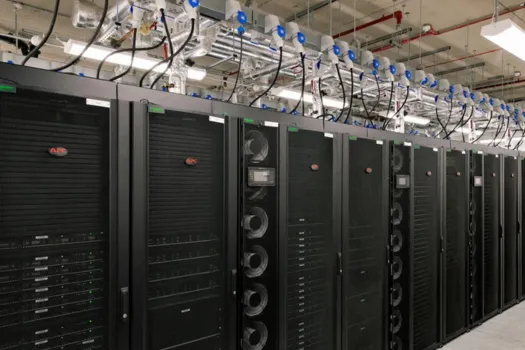
Self-tuning film sets the stage for next generation wireless and radar
Our researchers created a self-tuning, thin-film material enabling more efficient wireless and radar devices.
Path to stable, low-cost solar hydrogen production
This Nature Energy paper explains how Queen Mary's Dr Flurin Eisner developed organic photoactive layers.
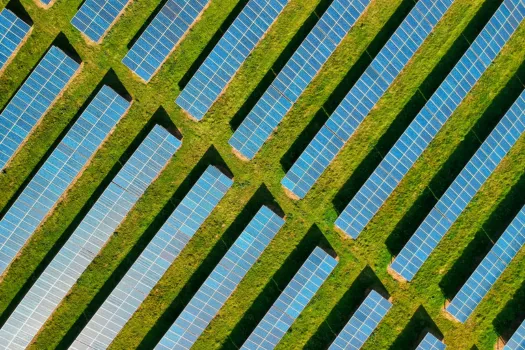
Edible, recyclable, biodegradable sensor films
Queen Mary research, led by Dr Dimitrios Papageorgiou, has developed new sensor films capable of high-precision monitoring for health and environment.
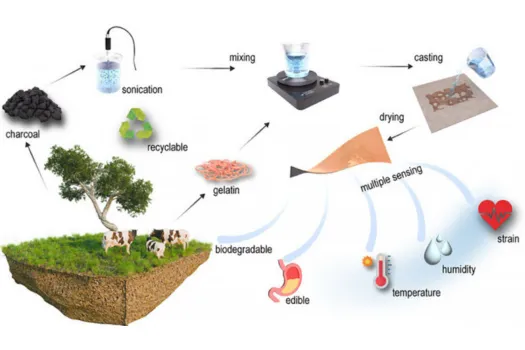
Starch nanocomposite films pave the way for green electronics
Queen Mary researchers developed nanocomposite films from potato starch, marking a significant advancement in the field of sustainable electronics.

Invisibility cloaks could soon be within reach of mere mortals
Professor Yang Hao explains to The Standard the technology which may make an invisibility cloak feasible.