Cards
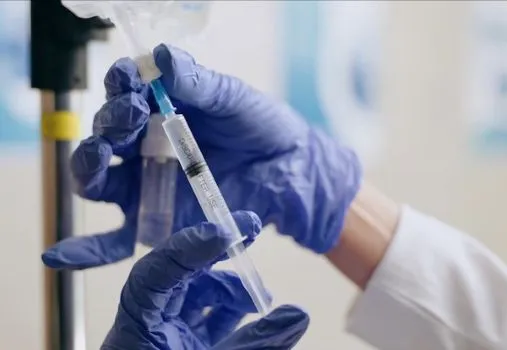
Bladder cancer breakthrough
Ground-breaking clinical trial leads to life-extending treatment for people with advanced bladder cancer.
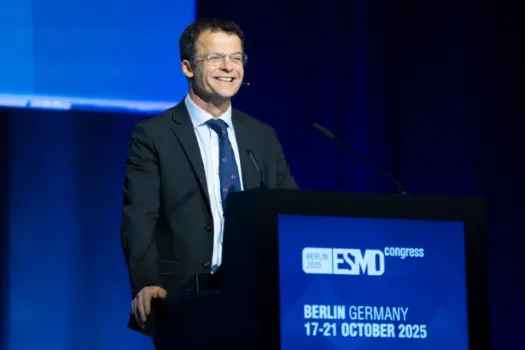
Groundbreaking trial results for hard-to-treat cancers
Queen Mary professors deliver pioneering trial results for hard-to-treat cancers at international cancer congress.
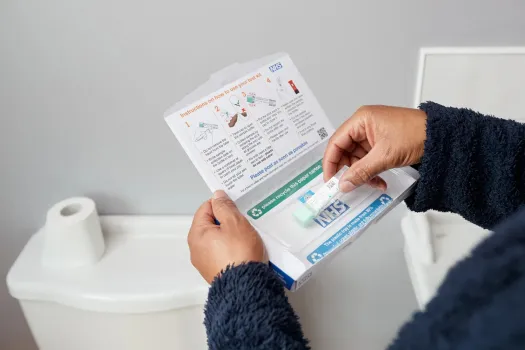
Home test kits for cervical cancer
Research by Queen Mary academics underpins government decision to offer home testing kits for cervical cancer screening in England.
Reducing breast cancer cases
Our researchers identified the most cost-effective way to reduce breast cancer risk in high-risk women.

‘Rogue’ DNA rings linked brain cancer growth
Our researchers revealed how rogue DNA rings drive growth in many glioblastomas, the most common and aggressive adult brain cancers.

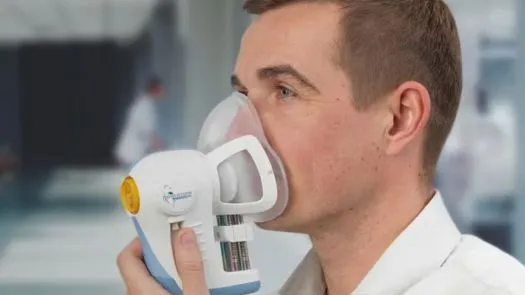
Breath test to detect blood cancer
Study shows a breath test could help detect blood cancers, which affect around 40,000 people a year in the UK, sooner.
Breaking the top 10
Nature named Professor Tom Powles among its top ten science shapers for transformative bladder cancer outcomes.

New tool to detect ovarian cancer
Ovatools, a new tool developed by Queen Mary researchers, could help GPs identify people who may be at higher risk of ovarian cancer.

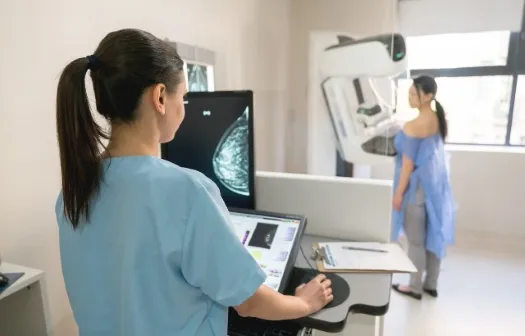
Understanding low breast cancer screening rates
Our researchers are studying women’s breast cancer screening experiences to understand low uptake in East London and how services can be improved.
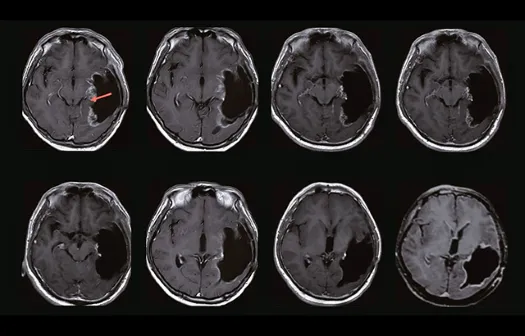
Understanding glioblastoma development
Our researchers work within Cancer Grand Challenges’ eDyNAmiC team to study extrachromosomal DNA in glioblastoma and its treatment potential.
Queen Mary University spinout Procyon Diagnostics to provide early cancer tests
Built on 15 years of research at Queen Mary, PancRISK is pancreatic cancer test that uses machine learning to analyse biomarkers from blood and urine.
Symptoms that delay brain tumour diagnosis
Professor Scott and Dr Standen write about the early symptoms of brain tumours and the importance of early diagnosis.