

Impact at a glance
Professor James Busfield and his team at Queen Mary are improving our understanding of tyres – how they abrade, lose grip and consume energy. Through materials science and collaborations, they are gaining valuable insights that are underpinning the development of safer, more durable, more sustainable tyres.
2-3 billion
Tyres are manufactured every year across the globe
TireGrades.com
Up to 25%
The amount of vehicle energy tyres account for
The British Tyre Manufactures' Association
25-40%
The percentage of microplastics from tyres that enter our waters
The Conversation / University of Portsmouth
The hidden cost of tyres
Every day, billions of people across the world make journeys in vehicles that have tyres. And each of these journeys comes at a cost – both to the vehicle and to the environment.
Tyres account for around 25% of a vehicle's energy consumption, primarily through rolling resistance, the force that slows the vehicle down as it rolls across the road surface. This means that developing and manufacturing high-quality tyres is critical to fuel efficiency as well as vehicle safety.
A lesser tackled element of tyre use is the invisible legacy they leave behind. As tyres grip the road during braking, cornering and acceleration, and through general abrasion and wear processes, they shed particles that contribute to air, soil and water pollution.
For tyre manufacturers, this presents a complex challenge – how can they make tyres:
- more energy efficient
- more durable and sustainable
- remain safe and retain their grip?
Professor James Busfield and his team at Queen Mary University of London set out to address this challenge by investigating tyre wear at the molecular level. For more than a decade, they have been developing laboratory methods that replicate the interaction between tyre treads and road surfaces under more realistic driving conditions, allowing them to study the underlying mechanisms that govern wear, grip, abrasion and energy loss.
What made the difference

Uncovering how tyre wear particles form
Queen Mary researchers uncovered how tyre wear particles form, change over time and interact with their environment, moving beyond traditional measures of abrasion alone.

Pioneering smear wear research
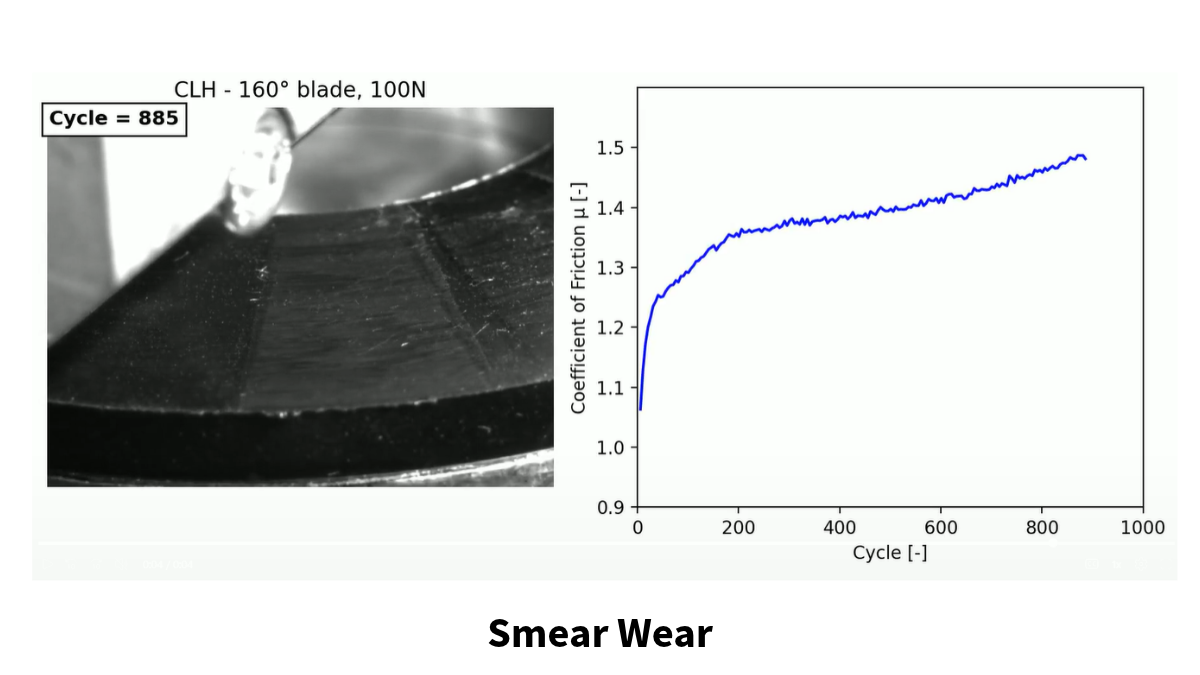
The team pioneered research into "smear wear" mechanisms, helping explain how tyre surfaces evolve during use and how wear emissions can potentially be reduced.

A global reach
Research findings are already informing development programmes at global tyre manufacturers including Sumitomo Rubber Industries, Continental Tyres and supply-chain partner Birla Carbon.
Investigating tyres at the molecular level
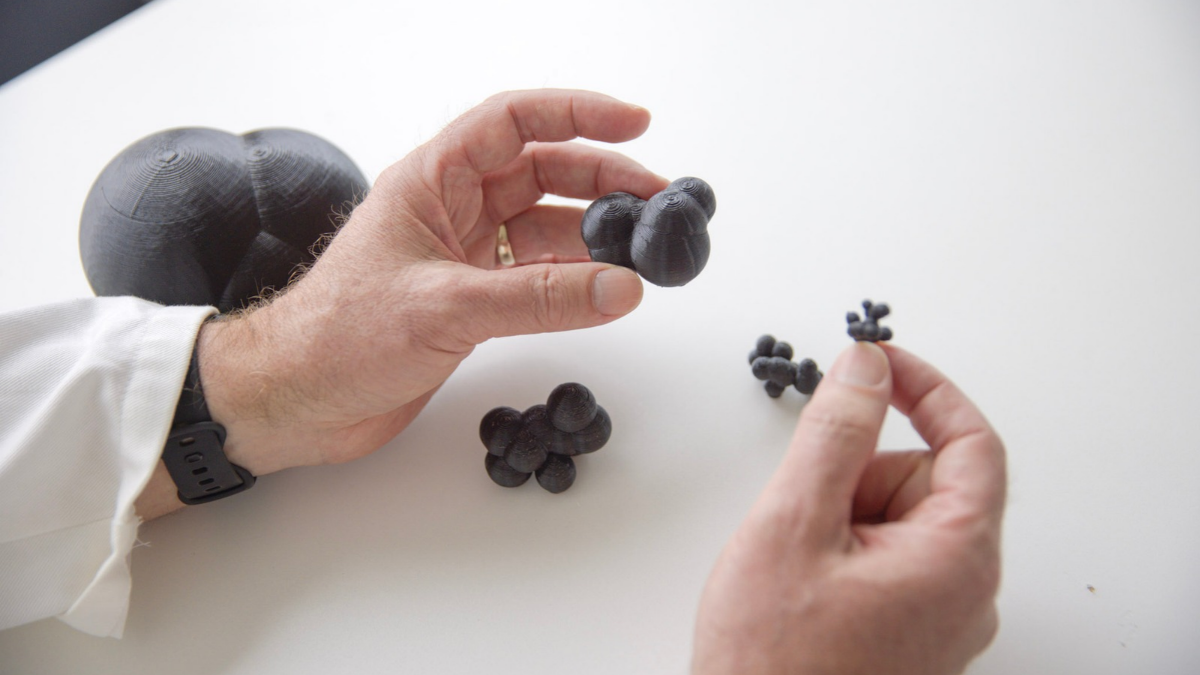
Queen Mary researchers have developed novel testing methods that recreate the repeated impacts, pressures and friction experienced by tyres on real roads. The team has also investigated how different rubber compounds, reinforcing materials such as carbon black, and tread designs influence wear, grip and energy efficiency at both the microscopic and molecular level.
This work has revealed why some tyre compounds perform well in certain conditions but abrade rapidly in others.
Collaborating to make an impact
Through well-established collaborations with industry partners, Professor Busfield and his team’s work is providing manufacturers with new tools to optimise tyre materials for specific environments and applications. Rather than relying solely on lengthy road trials, companies can now use more representative laboratory testing to predict performance earlier in the development cycle.
This deeper understanding is helping industry move beyond simply measuring wear towards predicting and controlling it. Manufacturers are using these insights from Queen Mary research to develop new generations of tyres that are more durable, more energy efficient and capable of generating a lower volume of wear debris throughout their lifetime, without compromising safety or performance.
Professor Busfield's research is already influencing tyre development programmes worldwide. Collaborations with companies including Continental, Sumitomo Rubber Industries and Birla Carbon have helped translate scientific discoveries into practical improvements in tyre formulation, testing and performance. The team's work has also informed advanced modelling tools used in motorsport and high-performance vehicle development.
Looking beyond performance
It is estimated that tyre wear debris particles may account for between 25% and 40% of microplastic pollution entering oceans, waterways and marine ecosystems. As shown by other research from Queen Mary academics, these microplastics significantly damages marine plants and wildlife and have a long-lasting negative impact on our waterways. In addition, particles released from tyre wear can lead to air pollution which among other things, has been shown by Queen Mary academics to stunt lung growth in children.
Professor Busfield and his team therefore decided to look beyond improving tyre performance to also ask the question of what happens tyre particles after they are released, and how are they impact the environment.
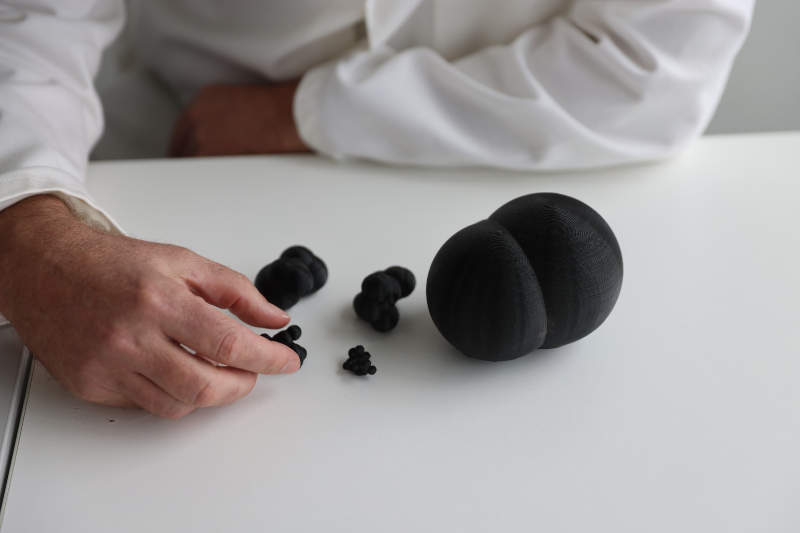
The team's research has revealed that tyre wear particles are chemically and physically different from the original tyre material and continue to change as they interact with the environment. Their studies showed that once released, these particles undergo processes such as oxidation and structural reorganisation, altering their properties over time.
This matters because the composition of a tyre wear particle influences how long it persists in the environment, how it interacts with air, water and soil, and whether it releases other chemicals as it ages. By understanding these processes in much greater detail, Queen Mary researchers can provide manufacturers with insights that support the design of tyre compounds that wear more slowly, produce fewer particles and potentially reduce their environmental impact.
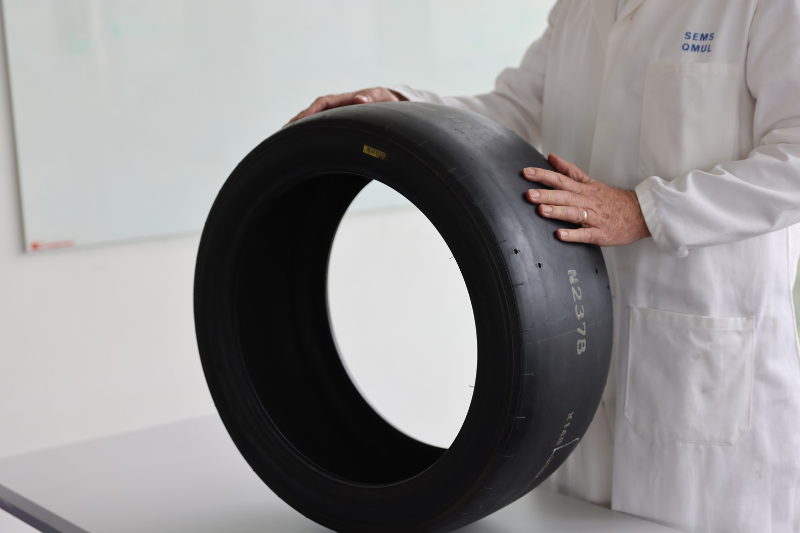
This team is also one of the pioneering groups in Europe studying "smear wear", a phenomenon in which tyre surfaces develop a smooth protective layer during certain driving conditions. Their research has shown that understanding and enabling through careful compound design for these wear mechanisms to occur in service could significantly reduce material loss from tyre surfaces, helping to minimise the release of harmful particles and microplastics into the environment and simultaneously extending tyre lifespan.
In addition, the researchers are exploring new methods to chemically recycle end-of-life tyres, tackling one of the tyre industry's biggest sustainability challenges. Around 26 million tonnes of waste tyres are generated globally each year, yet tyre rubber is notoriously difficult to recycle because the polymer chains are chemically crosslinked together. Professor Busfield's team is developing innovative ways to break and reform these crosslinks under specific processing conditions to create materials that can be recycled to manufacture new tyres. By helping turn waste tyres back into a valuable resource, the research could support a more circular tyre industry while reducing both waste and demand for new raw materials.
Together, these advances are helping create tyres that last longer, waste fewer resources, generate fewer emissions and place a smaller burden on the environment. By looking beyond traditional measures of tyre performance and investigating the entire lifecycle of tyre materials, Queen Mary researchers are helping shape a cleaner and more sustainable future for transport.
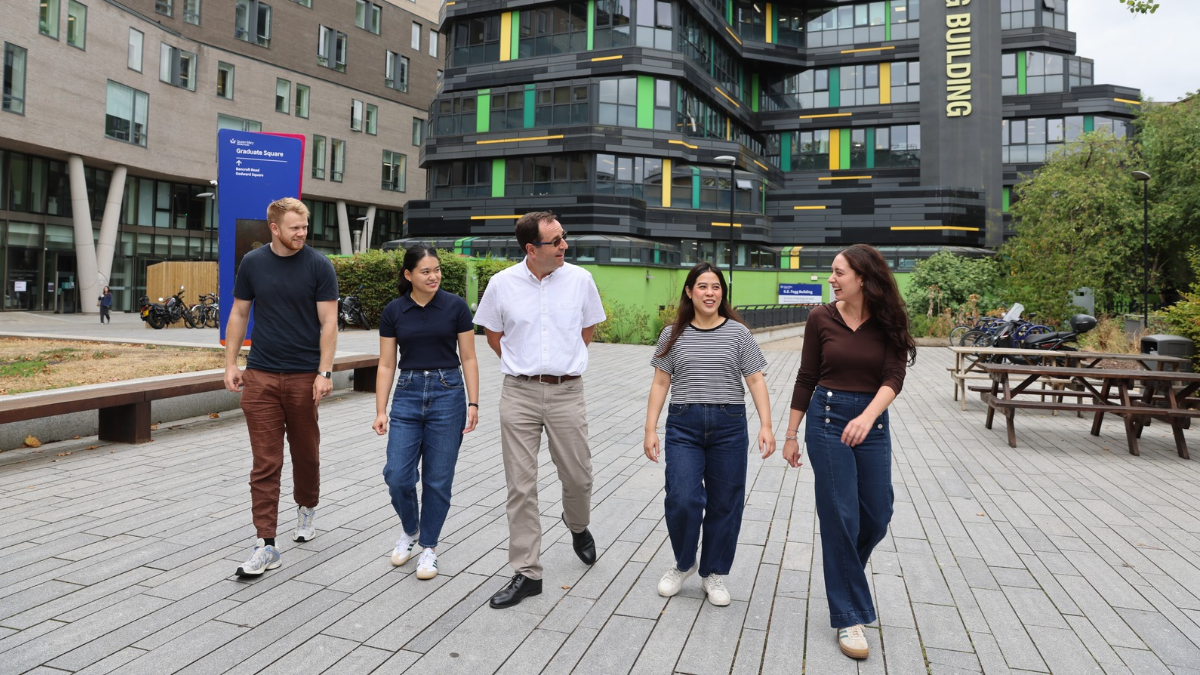

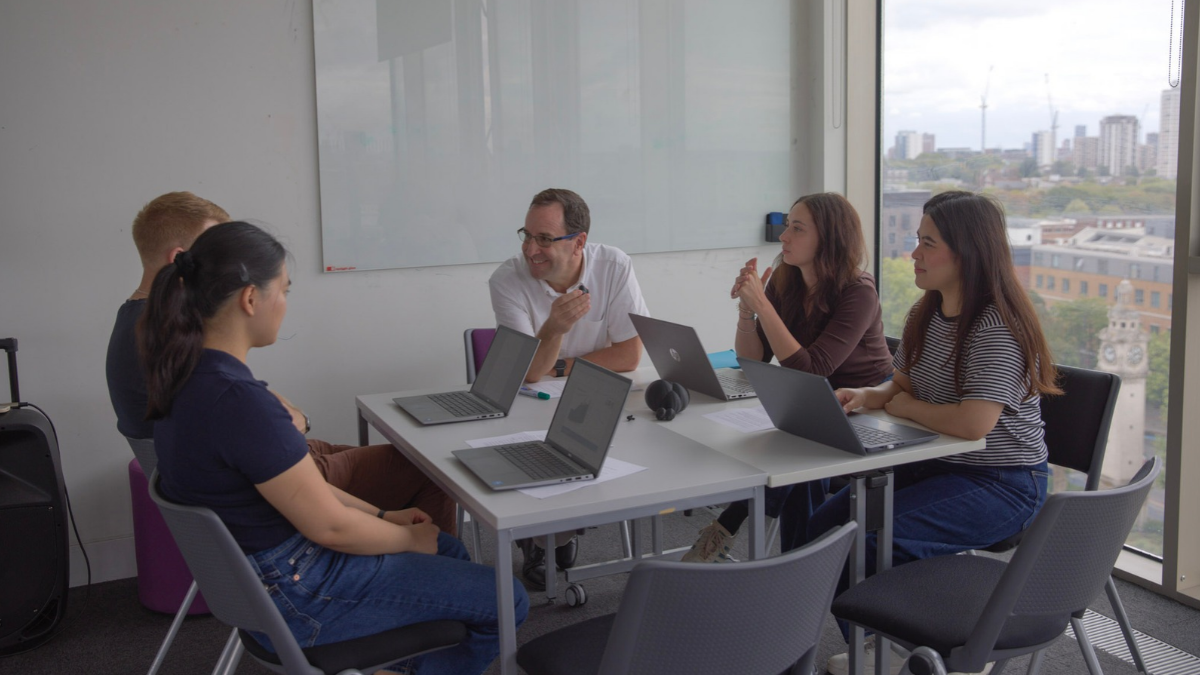
Meet the Soft Matter Research Group
Queen Mary's Soft Matter Group is the UK's largest academic rubber research group and one of Europe's leading centres for rubber and elastomer research.
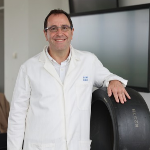
Professor James Busfield
Professor of Materials
Professor Busfield's research focuses on understanding how soft materials behave under real-world conditions, working closely with industrial partners

Pratik Sarkar
Senior Scientist at Aditya Birla Science and Technology Company (ABSTC)
Pratik works on carbon black-reinforced rubber compounds for Birla Carbon, supporting the development of tyre materials with improved grip and wear.

Sarah Pedroni
PhD Researcher in Materials Engineering
Sarah Pedroni is a PhD researcher modelling carbon black in rubber composites to improve tyre performance and sustainable materials.

Max Dixey
PhD student investigating carbon black activators for tyre tread compounds
Max has worked as a materials engineer in the UK and Germany, specialising in polymers and composites. His research is sponsored by Continental Tyres.

Thao Huong Pham
PhD student investigating friction and wear of tyres
Thao Pham is a PhD researcher studying tyre wear and friction to improve tyre-road interactions. She holds an MSc from TU Berlin.

Omar Dilery
PhD student investigating tyre wear and tyre and road wear particles
Chemical engineer and former John Crane engineer (UK/UAE), now a PhD researcher studying tyre wear, microplastics and rubber design.

Parinchaya Srithavorn
PhD Researcher in Materials Science / Polymer Science
Thai Government-sponsored PhD researcher investigating natural rubber recycling, after a Distinction MSc in polymer science at Queen Mary.
Explore the research behind the impact
Tyre Recycling Research Paper
"Recyclable sulfur cured natural rubber with controlled disulfide metathesis" was published in Communications Materials on 6 October, 2024. Find out more:

Tyre Compound and Optimisation Research Paper
"Effect of carbon black properties on cut and chip wear of natural rubber" was published in Wear on 15 March, 2025. Find out more:
Friction and Wear Testing Research Paper
"Elucidation of smear wear layer structure and ageing mechanisms of filled tyre tread compounds" was published in Polymer on 15 April, 2024. Find out more: