
/filters:format(webp)/prod01/channel_262/queen-mary-university-of-london/media/qmul/site-assets/FMD-Case-Study-Hero-Banner-600X400.png)
Impact at a glance
10,678
Lung cancers detected earlier through the NHS screening programme.
Source: NHS England
>75%
Diagnosed at stages 1 or 2, when more people can benefit from potentially curative treatment.
Source: NHS England
90%
Five-year survival at stage 1
Source: UK National Screening Committee
Compiling the critical evidence
Using their expertise in screening research and risk modelling, trial design, biostatistics and analysis, psychological and behavioural science, Queen Mary researchers provided critical evidence to support the implementation of a national lung cancer screening programme in England.
Led by Professor Stephen Duffy, two-time winner of the Alexander R. Margulis Award for Scientific Excellence, the team were able to demonstrate that using low-dose computed tomography (CT) scanning can reduce deaths from lung cancer in high-risk populations, by detecting the disease at an early stage.
They did this through a landmark study led by Duffy and published in The Lancet. Their findings, combined with an international meta-analysis of nine randomised trials, showed a substantial reduction in lung cancer mortality from the UK Lung Cancer Screening Trial, providing explicit evidence to support implementation of a national lung cancer screening programme in high-risk populations.
The team used their experience and proficiency in statistics and screening methodology to develop ways to identify these high-risk populations, by contributing to the development and validation of the Liverpool Lung Project risk model. This now validated model estimates an individual's risk of developing lung cancer and helps identify those who are most likely to benefit from screening.
This body of work from Queen Mary researchers has informed the targeted approach of the national lung cancer screening programme, including identifying optimum radiation exposure levels, risk-stratification and optimal screening intervals (screening every two years, rather than every year).
Key benefits of this research

Providing the evidence
Queen Mary researchers’ expertise in cancer screening methodology provided evidence that screening can reduce lung cancer deaths.

Informing policy
This research has been used by the UK government to implement a national lung cancer screening programme through the NHS in England and soon, Wales.

Maximising the benefit
To ensure those who need it most are screened, Queen Mary experts in psychological and behavioural science developed interventions to improve screening uptake.
Saving lives through screening
The UK National Screening Committee’s 2022 recommendations to introduce targeted lung cancer screening drew on research by Professor Duffy, Dr Quaife and Queen Mary colleagues. Their work contributed evidence not only on the effectiveness of screening and who should be offered it, but also on participation, acceptability, informed decision-making and the psychological factors that can shape whether people take part. This wider evidence base helped inform the move towards a national lung cancer screening programme in England. Queen Mary research has also influenced approaches internationally, including in Australia, contributing to global efforts to detect lung cancer earlier and reduce deaths from the disease.
As a result of the national screening programme, to date in England, nearly 11,000 lung cancers have been detected, with nearly three-quarters of them at an early stage (stage 1 or 2), which is associated with >90% five-year survival rate.
Reaching those who need it most
A key consideration when introducing a screening programme is ensuring it reaches and works for those who need it most. This is particularly important for lung cancer, which has the biggest deprivation gap of any cancer in terms of incident rates and outcomes – it is most common among people from socioeconomically deprived backgrounds. There also remains a stigma around lung cancer due to its link to tobacco use, which can be a blocker to people attending screening.
To ensure that implementation of a national lung screening programme in England and Wales reduces rather than widens existing inequalities, Dr Samantha Quaife, is using her behavioural science expertise to understand how people experience and engage with lung cancer screening. Through her work, which has informed national screening policy and implementation in the UK and internationally, and through her expert advisory roles with NHS England and international organisations, Dr Quaife aims to break down barriers to participation, ensuring that it reaches and supports those who stand to benefit most.
To date, Dr Quaife and her Queen Mary colleagues have:
- contributed evidence to improve the national lung screening programme’s information materials to support informed participation
- provided critical insights into patterns of inequality and the reasons behind disparities in screening uptake for people from different underrepresented backgrounds
- used these insights to develop and test strategies that address these inequalities and boost screening uptake among these populations
The team are also pioneering a ‘navigator’ programme to address people’s concerns about lung cancer screening in a meaningful way. Navigators are trained in communications competencies, navigation skills and motivational interviewing techniques to allow them to support people who haven’t yet taken up their lung screening invitation in a personalised way, addressing and overcoming any emotional, practical or language barriers to participation.
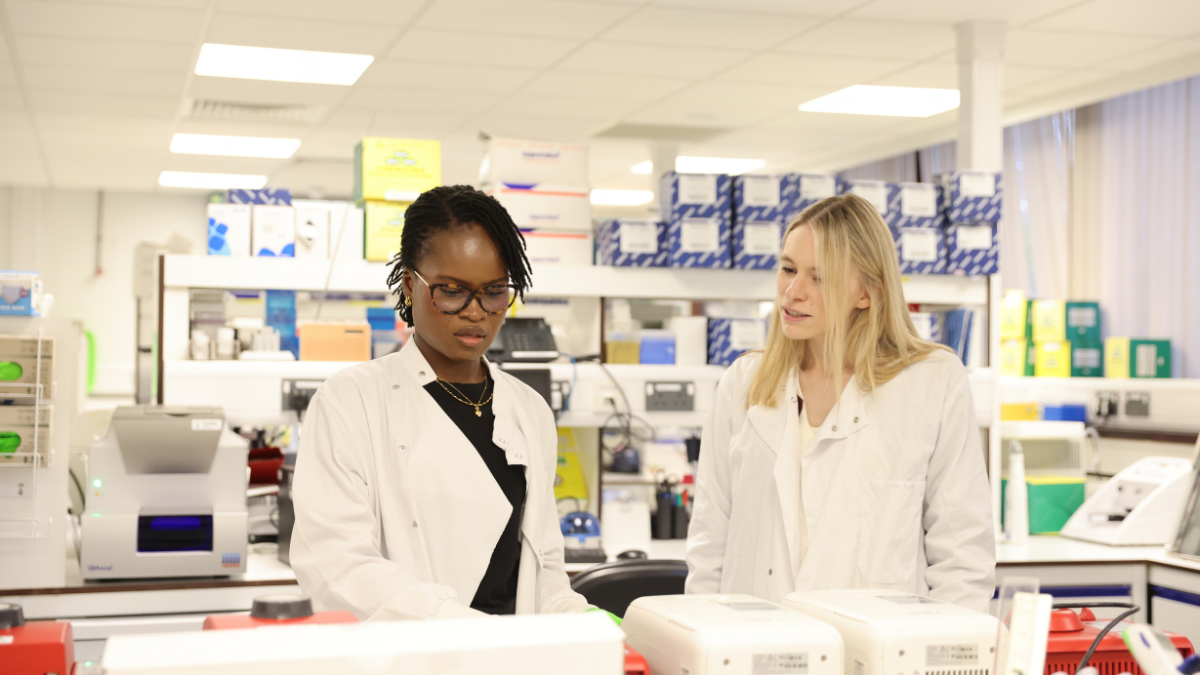
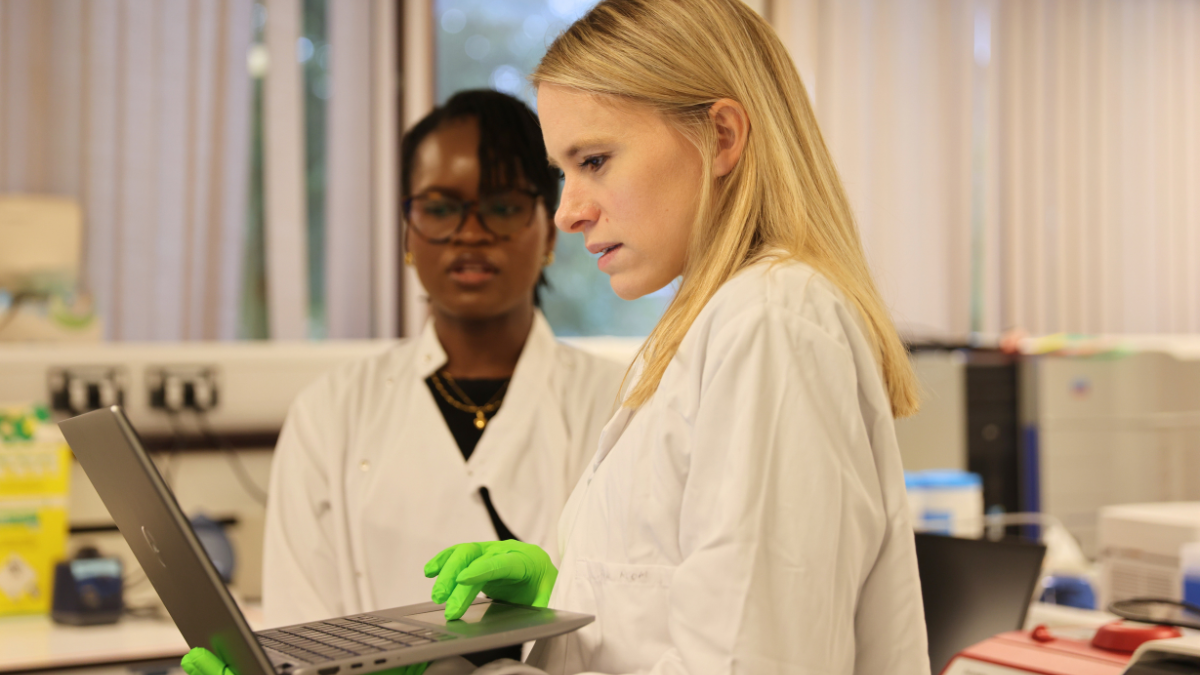
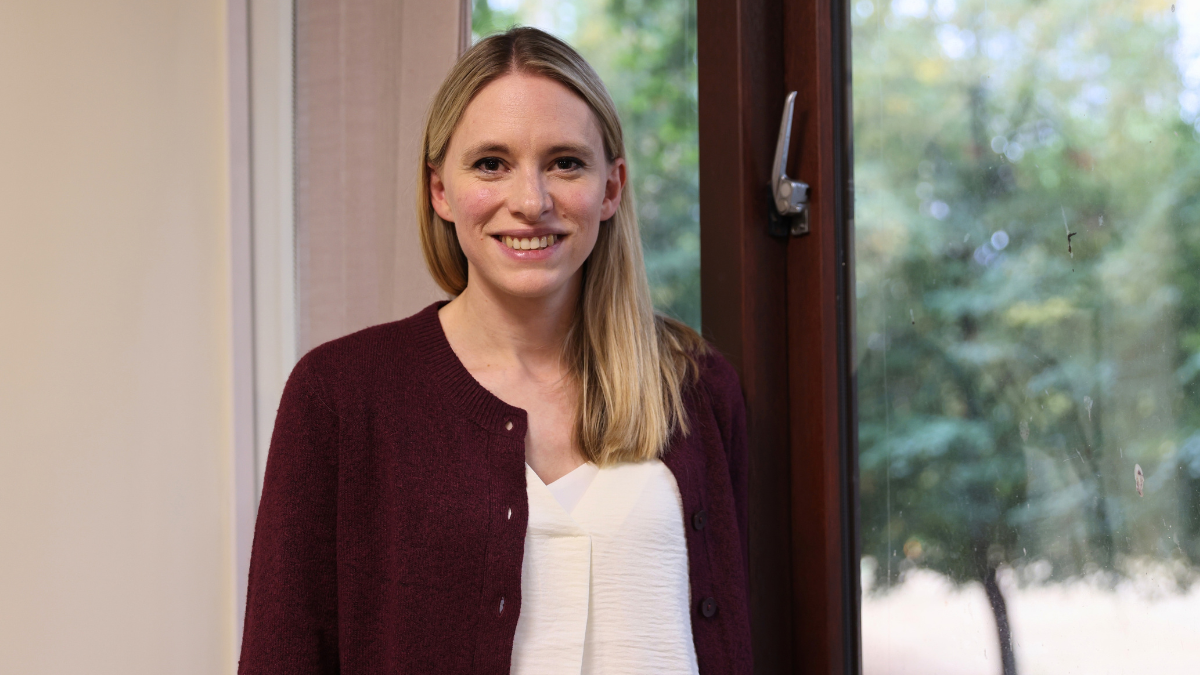

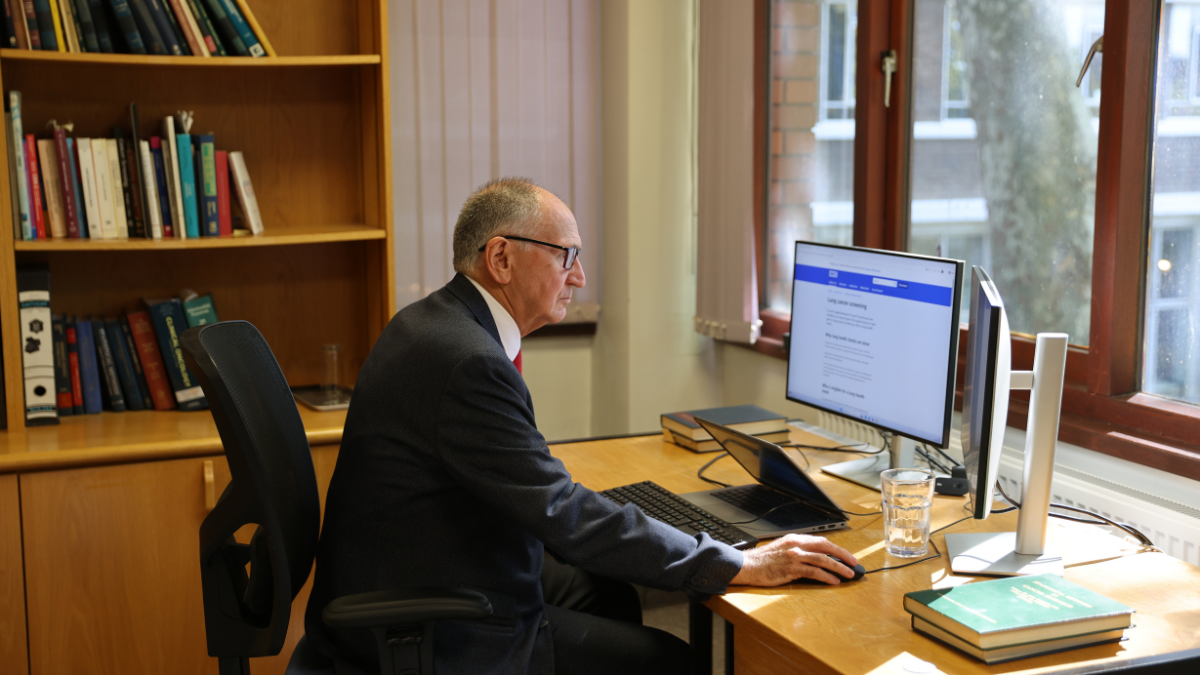
Meet the Researchers
The team brings together expertise in cancer screening, statistics, behavioural science and health psychology, united by a focus on improving how cancer screening is designed, understood and delivered.
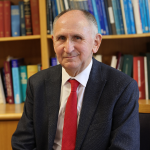
Professor Stephen Duffy
Emeritus Professor of Cancer Screening
Leading statistician in cancer screening, with deep expertise in trial design, evaluation and risk-based approaches to early diagnosis.
.png)
Dr Samantha Quaife
Reader in Behavioural Science
Behavioural scientist and Chartered Psychologist specialising in equitable cancer screening, participation and decision-making.

Professor Rhian Gabe
Professor of Biostatistics and Clinical Trials
Director of Barts Clinical Trials Unit, with 30 years’ experience in clinical trials and a research focus on cancer screening and early detection.

Dr Lady Akwa
Postdoctoral Research Fellow
Behavioural scientist researching cancer screening participation and health promotion, with a focus on improving health outcomes for women.
Related Research

How cancer screening is changing - and what comes next
Queen Mary researchers explore the evidence shaping cancer screening today and the emerging technologies that could transform early detection.

Does lung cancer screening benefit everyone?
Queen Mary research shows that lung cancer screening can benefit people across socioeconomic groups, strengthening the case for equitable screening.

Delivering lung cancer screening at scale
The SUMMIT study shows how lung cancer screening can be delivered at scale in a diverse, high-risk population, supporting wider implementation.