
Enhancing Teaching and Learning through Teaching Assistant Training Programme
Dr Na Yao and Dr Nickos Paltalidis
Teaching Assistants (TAs) play an important role in supporting teaching and learning on the Joint Programme between Queen Mary University of London (QMUL) and Beijing University of Posts and Telecommunications (BUPT). To fulfil this role effectively, TAs need to develop the skills and confidence to lead and manage support sessions.
Identifying Challenges and Shaping Solutions
A working group comprising academic and administrative staff was established to develop a structured approach to training and managing TAs. The project team conducted a comprehensive review of existing training materials and gathered feedback from Module Organisers and TA focus groups. This process identified key challenges and areas for improvement, offering insights into the specific skills and support required to enhance TAs’ ability.
An Iterative Approach
Recognising the dynamic nature of the JP/JEI and the continual recruitment of TAs, the project adopts an iterative approach to training. Training sessions are delivered at the start of each semester, with evaluations conducted to gauge the relevance and effectiveness of the content and delivery. Feedback from TAs is used to refine and adapt the programme, ensuring it remains responsive to their evolving needs.
Training content
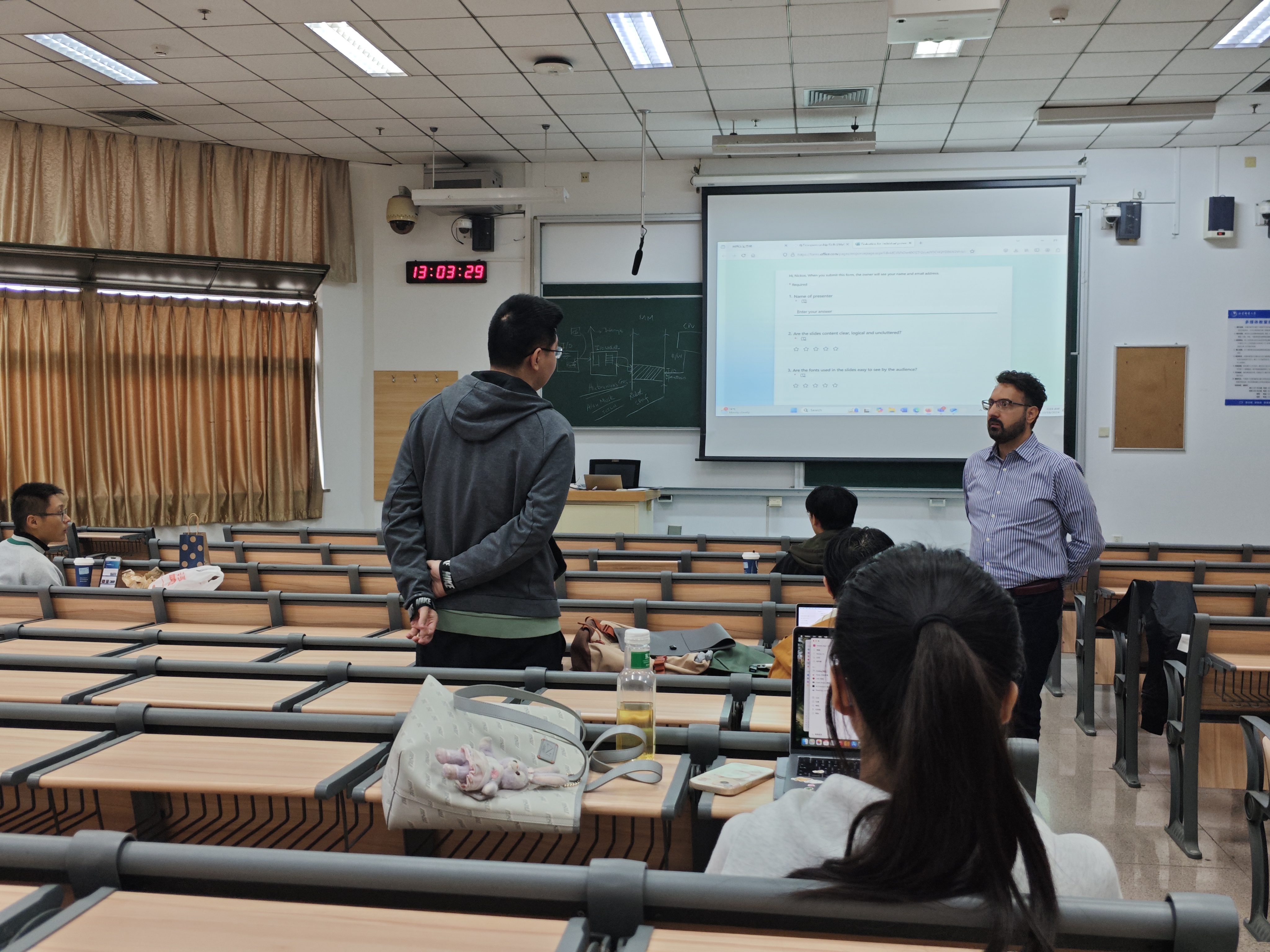
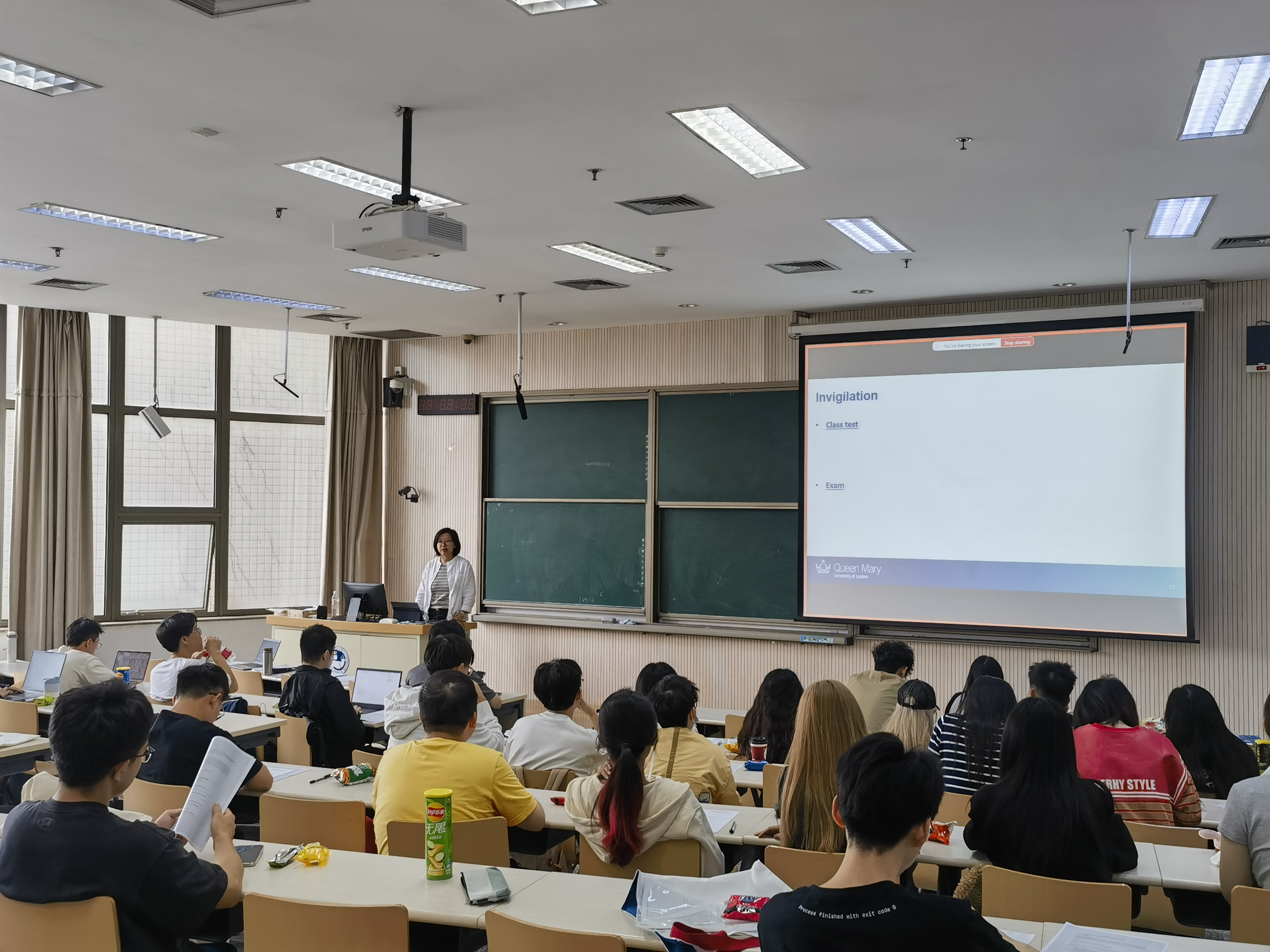
A series of targeted training sessions has been developed and delivered, covering essential aspects of the TAs’ roles. These sessions include: induction to QM e-learning platform, functional pedagogical theories on active learning, presentation skills, coursework marking, and invigilation procedures.
Additionally, a comprehensive TA handbook has been created, detailing TA responsibilities, best practices, and precautionary measures. This resource serves as a practical guide for TAs, reinforcing the content covered in training.
Positive Impact and Feedback
Evaluation data collected after each training session reveal a positive impact on TAs’ confidence and teaching practices. On average, 92% of TAs reported that the training sessions encouraged them to make changes to their teaching approach. Feedback from participants highlighted the programme’s value:
- “I will use a more positive attitude and language to interact with my students.”
- “This session gave me a clearer understanding of the grading details.”
- “I know how to handle some difficult situations.”
Future Directions
The training programme continues to evolve. Future efforts will focus on improving existing sessions and introducing new topics tailored to TAs’ needs. This ongoing commitment underscores the importance of providing TAs with the skills and support required to excel in their roles, ultimately enhancing teaching and learning outcomes across the JP/JEI.
Reference: Yao N, Paltalidis N, Lakhani F, Zou Y, Fonseca P, Popoola O ( 2025 ) . An Iterative Model for Effective Graduate Teaching Assistant Training in Engineering Education . Conference: 2025 IEEE International Conference on Teaching, Assessment, and Learning for Engineering (TALE) vol. 00 , 1 - 7 . 10.1109/tale66047.2025.11346583