
Key Highlights
Throughout March, Queen Mary marked Women’s History Month and International Women’s Day 2026 with a diverse programme of events.
Reflecting this year’s Give to Gain theme, activities highlighted the role of institutions, leaders and communities in creating opportunities through mentorship, knowledge sharing and inclusive practice. The programme engaged staff and students across the University, alongside outreach activity with schools and prospective students.
Collectively, the programme contributed to Queen Mary’s Culture and Inclusion Enabling Plan by supporting inclusive environments for learning and engagement, increasing visibility and representation, and strengthening awareness of development and progression pathways.
Explore the highlights below to learn more about the events delivered across the University and across our wider community.
Queen Mary International Women’s Day Panel
Date: Tuesday 3 March 2026
Organiser: Dr Eleanor Groves, Doctoral College Research Manager
The Queen Mary International Women’s Day Panel brought together women in academic and leadership roles from across the University to reflect on the 2026 theme, Give to Gain. The panel featured Professor Amrita Ahluwalia, Dr Bryony Butland, Professor Kavita Datta, Professor Hazel Screen and Diya Mary Selastin, and was chaired by Professor Elizabeth Tanner.
Key highlights
The session generated strong engagement through discussions on mentorship, career progression and the challenge of balancing support for others with limited time and resources.
Attended by academic staff, professional services colleagues and students from across the University, the session created a cross-institutional space for dialogue and shared learning, with positive feedback from attendees and senior colleagues.
“It was the highlight of my day.”
Alex Prestage, Associate Director of Culture & Inclusion
“Many thanks for the great organisation and the excellent panellists. I hope we can continue working together to raise awareness of gender equity.”
Professor Aylin Baysan
Women’s Week at Queen Mary
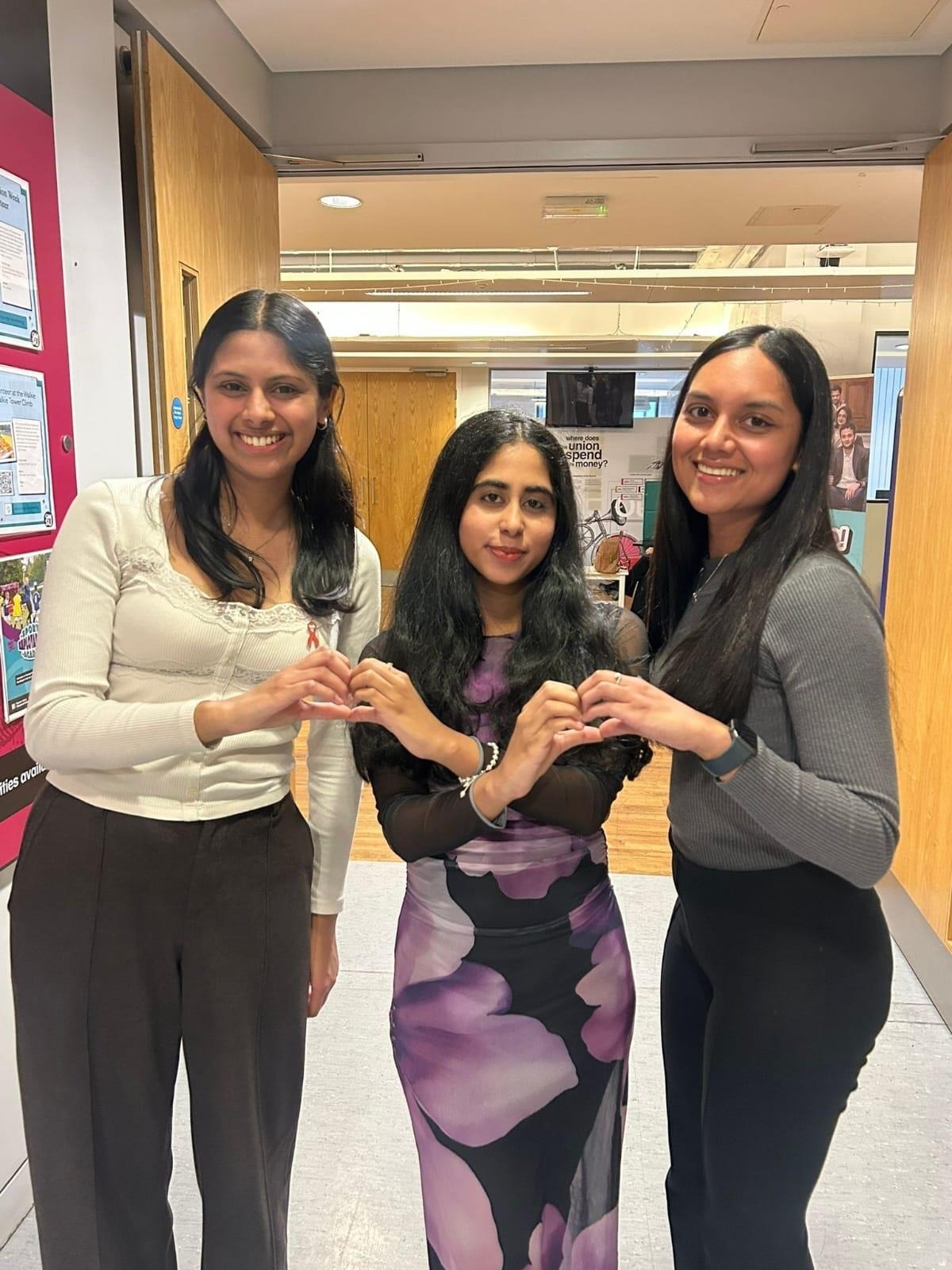 Date: 23 February to 7 March 2026
Organiser: Queen Mary Students’ Union (QMSU), led by Diya Mary Selastin, QMSU President
Women’s Week 2026 marked Queen Mary’s first cross-campus programme celebrating visibility, leadership and collective action. Explore the full campaign: https://www.qmsu.org/womensweek/
Key highlights
The programme showcased the energy, leadership and creativity of students across Queen Mary, with student-led initiatives driving impact across sport, advocacy, professional development and creative expression.

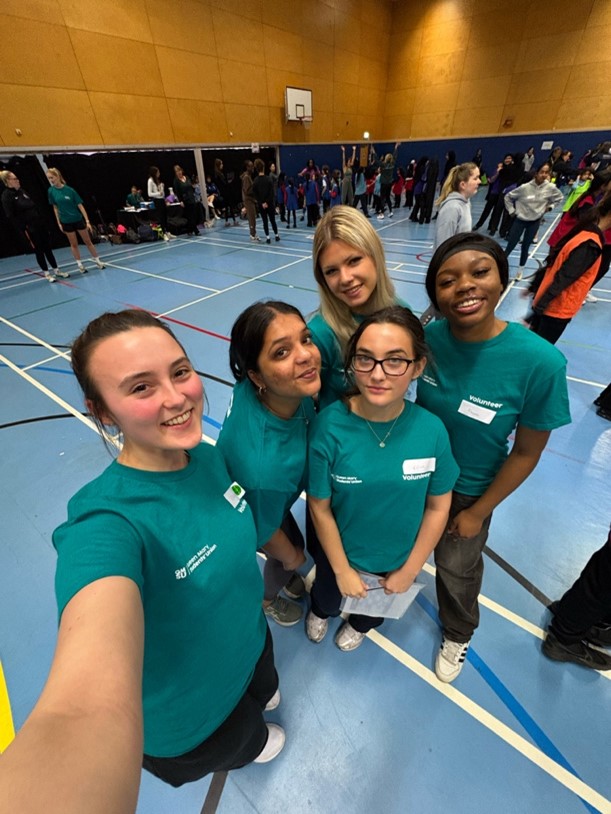 In sport, Koyel Sen, President of Queen Mary Women’s Football Club, highlighted the importance of building a strong and supportive community for women, championing access, inclusion and leadership. The Queen Mary Netball Club also demonstrated outstanding impact both on and off the court, combining competitive success with outreach, fundraising and a commitment to empowering women through sport.
The BLSA Women’s Representatives, Madhura Sivakumar and Divyani Bhudia, played a central role in shaping the programme through exhibitions, wellbeing campaigns and community events. Their work, alongside engagement with the Tower Hamlets Women’s Commission, ensured that student voices were represented in wider conversations around safety, access and wellbeing.
 The Women in Law Society showcased ambition and impact through fundraising for Rape Crisis South London, partnerships with HSF Kramer and LSE Women in Law, and the development of a Commercial Awareness Competition. Their work, alongside plans for a flagship conference on Technology, Equality and Access, highlights their commitment to supporting women in the legal profession.
 Student voices were a powerful feature of the programme, with written contributions from Julie Capkova and Tehreem Chaudhry exploring lived experiences of sexism, safety and representation. These reflections encouraged deeper conversations around structural inequality, while also calling for more inclusive and intersectional approaches to gender equity that recognise diverse and global perspectives.
ITS EmpowerHER Day 2026
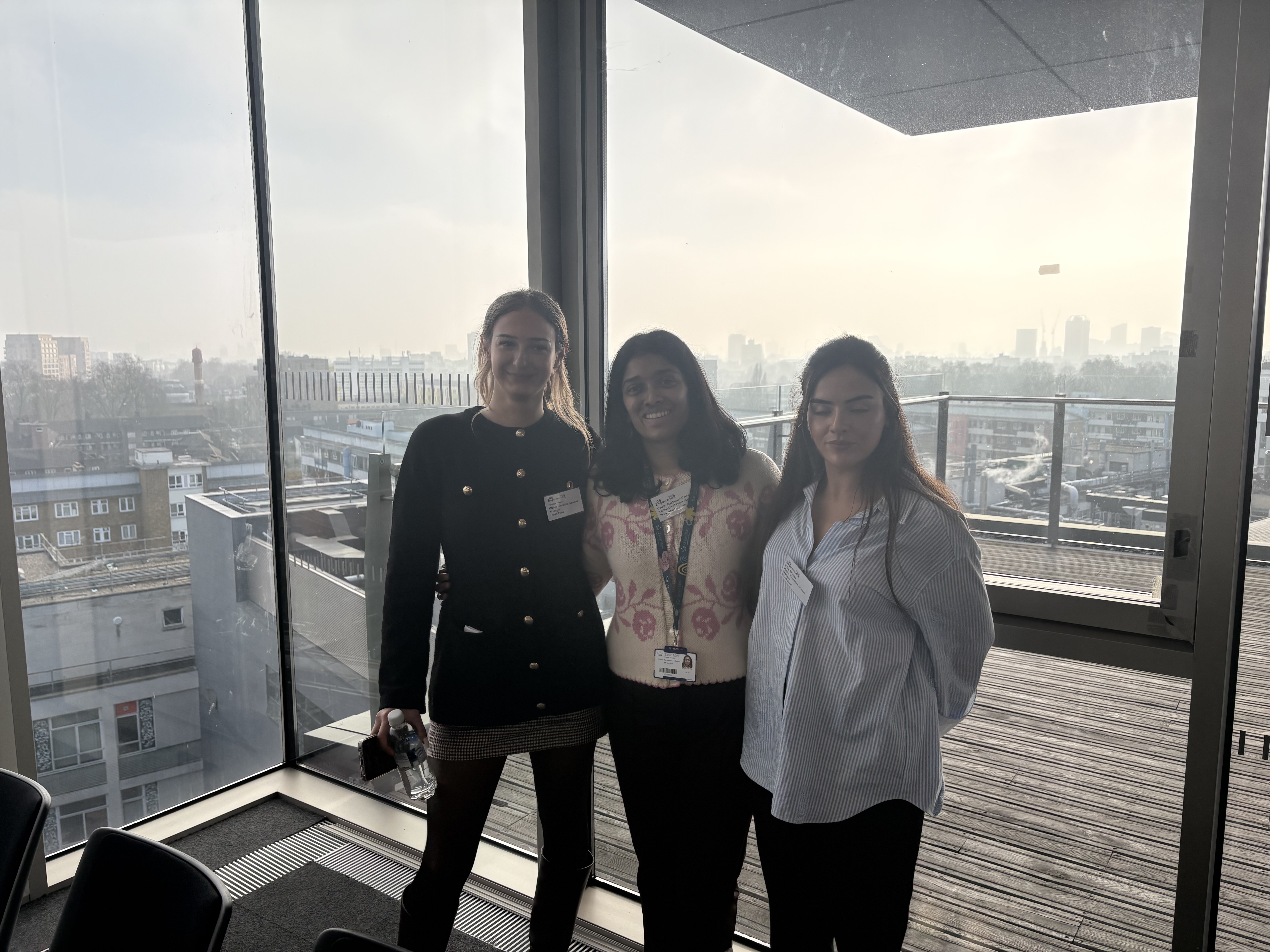 Date: Wednesday 4 March 2026
Organiser: IT Services Women in Tech Network and IT Services, led by Cathie Jayakumar-Hazra, Cybersecurity Awareness Training and Policy Manager
The ITS EmpowerHER Day 2026 brought together staff from across Queen Mary and beyond for a day of workshops, talks and networking focused on career development, leadership and inclusion within technology and digital environments.
Key highlights
High engagement across workshops, talks and networking sessions, supported by strong speaker contributions and interactive formats
Attended by academic staff, professional services colleagues, students and external participants, the event created a collaborative space for learning, skill development and peer connection, with a strong emphasis on building confidence and sharing knowledge across disciplines.
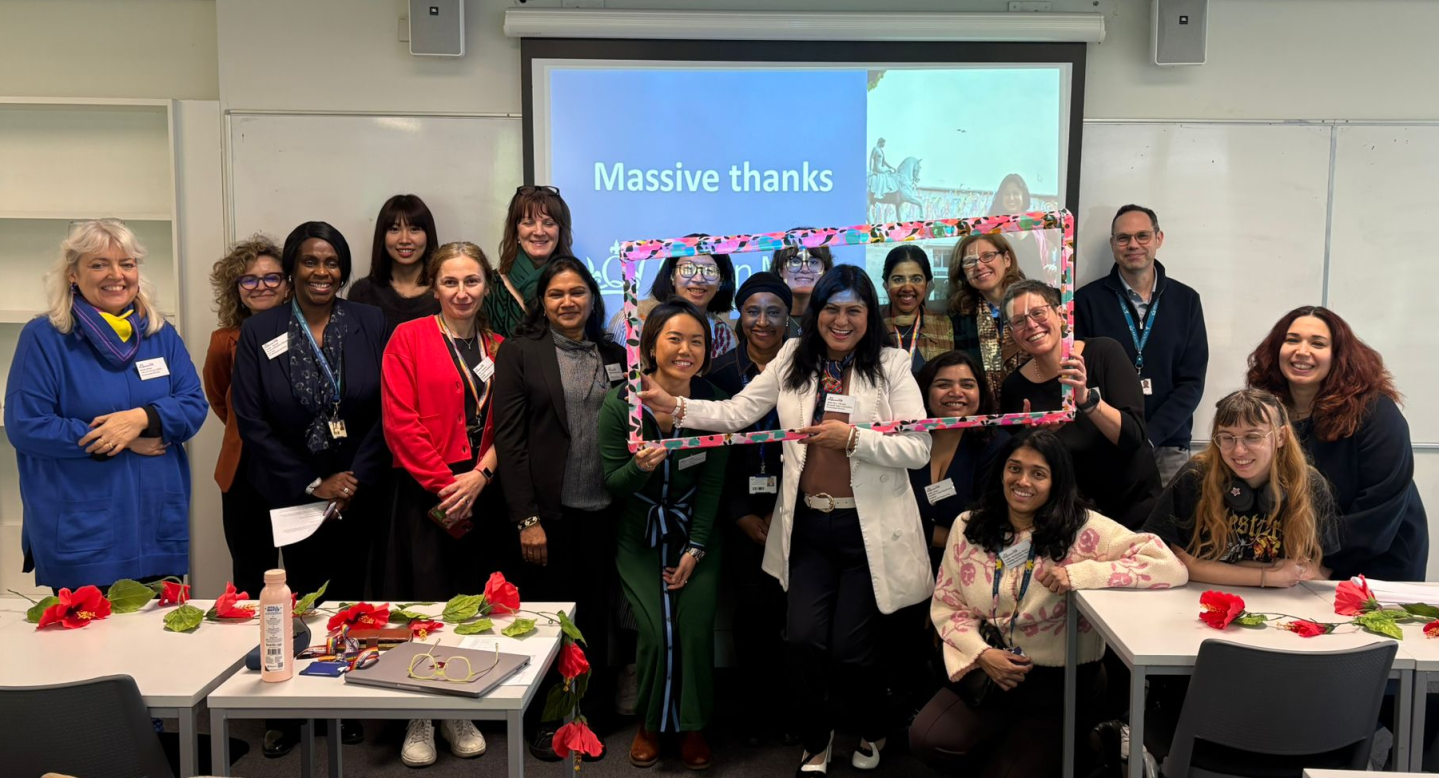 Special thanks
 to the team who supported the delivery of this event: Panny Martin, Cathie Jayakumar, Chanel Akhigbemen, Julita Inca Chiroque, Beth Morton and Agnieszka Jankowska.
“I attended the ITSEmpower Women’s Day event and really enjoyed the sessions on resilience and on starting a career in project management within the IT sector. I already have project management experience, but I did not realise that I could move into IT without having a technical background. This event helped me to see the different career routes available at QMUL and gave me a clearer sense of where my skills could fit. My key takeaway was learning to recognise what makes my experience unique and how I can add value to a team. Diverse career routes are beneficial, and I left feeling inspired. I also appreciated the thoughtful organisation, the goody bags and food, and the many opportunities to network. I met some lovely people, especially the organising team.”
Participant feedback
EmpowerHER (Actuarial Science Society)
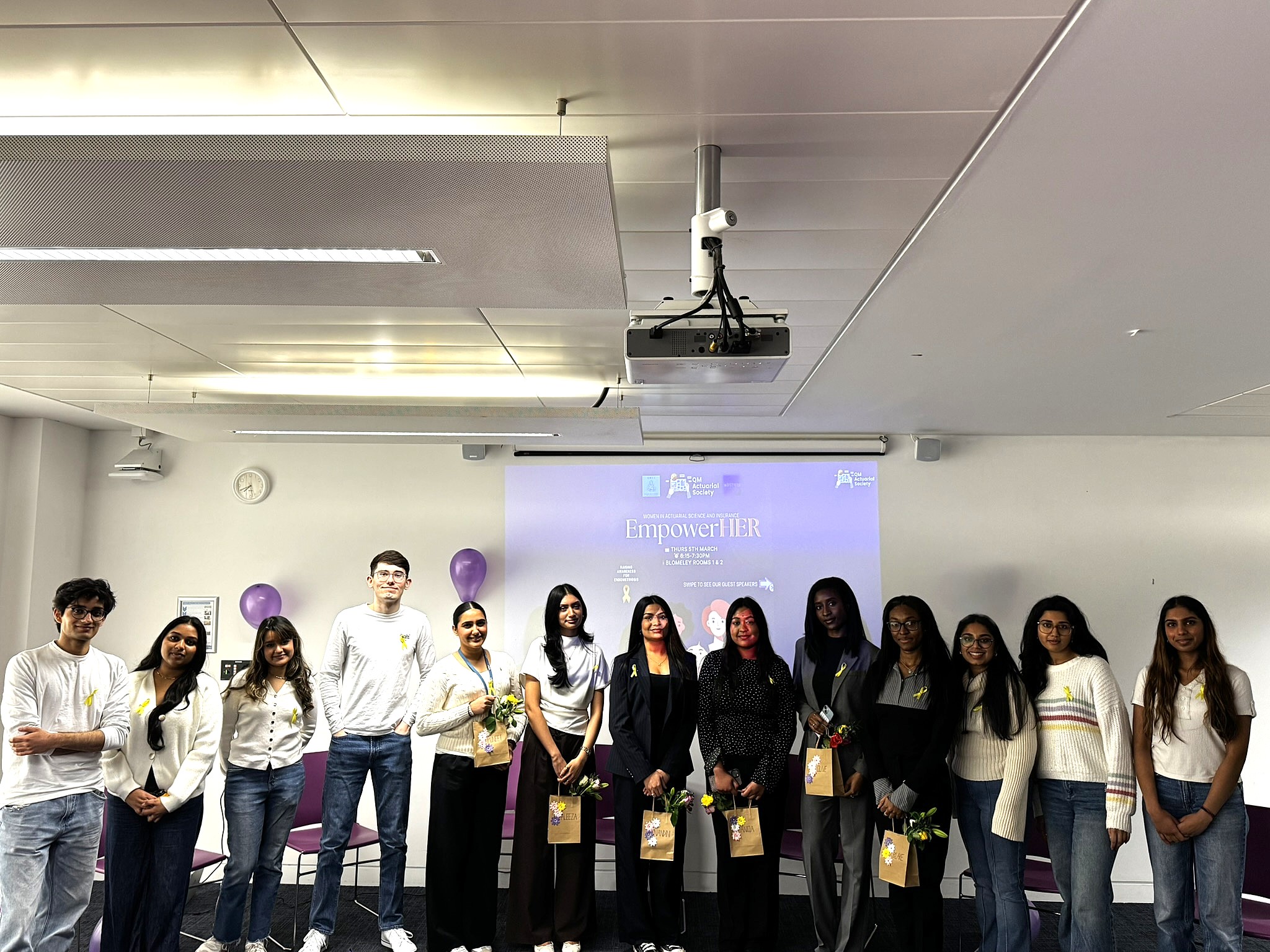
Date: Thursday 5 March 2026
Organiser: Nicole Francine D’Souza, BSc (Hons) Actuarial Science student
The EmpowerHER event brought together by the Queen Mary Actuarial Society was organised to explore careers in actuarial science and insurance, with a focus on representation, inclusion and empowerment.
Key highlights
The session created a supportive and empowering space where students engaged with speakers, built connections and explored career pathways.
Strong engagement across both the panel and networking sessions enabled meaningful dialogue between participants and speakers, with alumni involvement creating a sense of relatability and continuity.
“This was one of the most genuine and insightful events I’ve been to…”
Student feedback
“The event felt genuinely inclusive and grounded in real experiences.”
Guest Speaker
Breaking Barriers in Science and Engineering
Date: Monday 9 March 2026
Organiser: School of Engineering and Materials Science (SEMS), led by Dr Maria Crespo Ribadeneyra, Senior Lecturer in Green Energy Materials
To mark International Women’s Day 2026, SEMS hosted an inspiring event celebrating women in STEM and the role of community in addressing systemic barriers.
Delivered as part of the Royal Society of Chemistry Global Women’s Breakfast 2026, the event brought together undergraduates, doctoral researchers, postdoctoral researchers, professional services staff and academics from across the faculty.
The morning began with a networking breakfast, creating opportunities for participants to connect across disciplines and career stages and setting the tone for open discussion on equity, representation and shared challenges in science and engineering.
This was followed by talks from four speakers across academia and industry. Each speaker shared personal reflections on their research journeys.
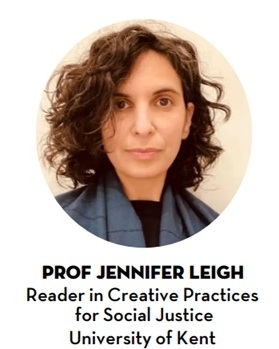
Professor Nike Folayan MBE spoke about the importance of representation and sustained community support in diversifying the engineering workforce.
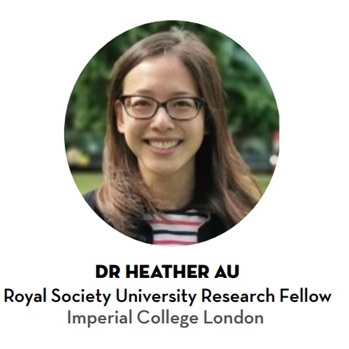
Dr Heather Au highlighted the role of peer mentoring, supportive research cultures and interdisciplinary collaboration in supporting early career researchers.
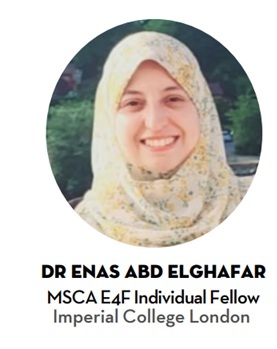
Dr Enas Abd Elghafar reflected on her international research journey across Egypt, Spain and the UK, and the importance of mobility in expanding opportunities for underrepresented researchers.
Overall, the speakers highlighted the breadth of scientific excellence across the sector and also the resilience, creativity and community needed to thrive in STEM.
Key highlights
The event created a collaborative and reflective space where participants engaged with speakers, shared experiences and explored approaches to overcoming barriers in STEM.
Bringing together perspectives from across career stages and disciplines, the session enabled meaningful dialogue on inclusion, resilience and progression, reinforcing the importance of community and collective support in driving change.
The event concluded with a strong sense of community and shared purpose, with attendees reflecting on how to build inclusive environments, support one another and contribute to a STEM culture where everyone can thrive.
Special thanks
Special thanks to the speakers, attendees and the Royal Society of Chemistry for supporting this event through the Global Women’s Breakfast 2026 initiative.

QMUL Hackathon: Celebrating International Women’s Day
Date: Tuesday 10 March and Wednesday 11 March 2026
Organiser: School of Mathematical Sciences, led by Catherine Elizabeth Rust, Ivelina Mladenova, Madhumitha Krishnakumar and Silvia Liverani
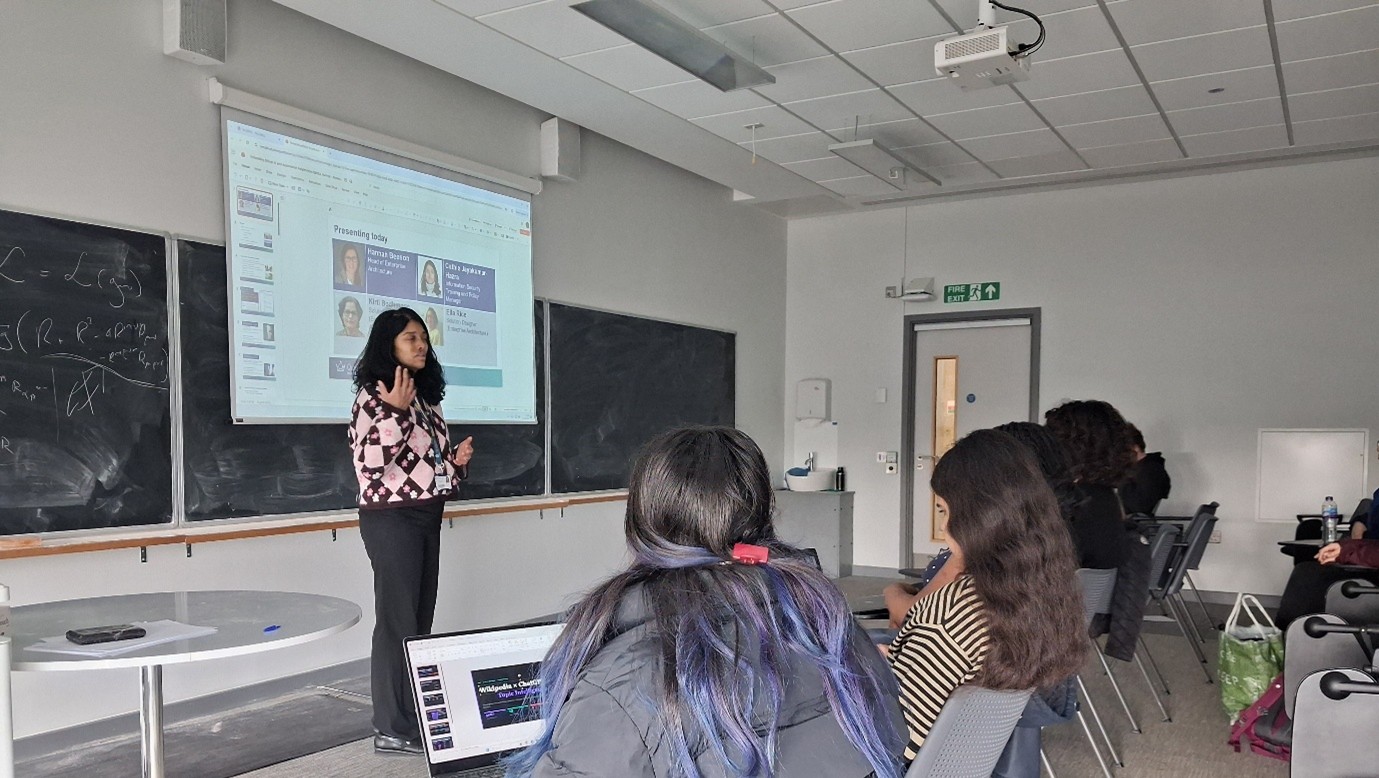
The QMUL Hackathon marked International Women’s Day 2026 by bringing together women and non-binary undergraduate and MSc students for a two-day, beginner-friendly event focused on collaboration, skills development and innovation.
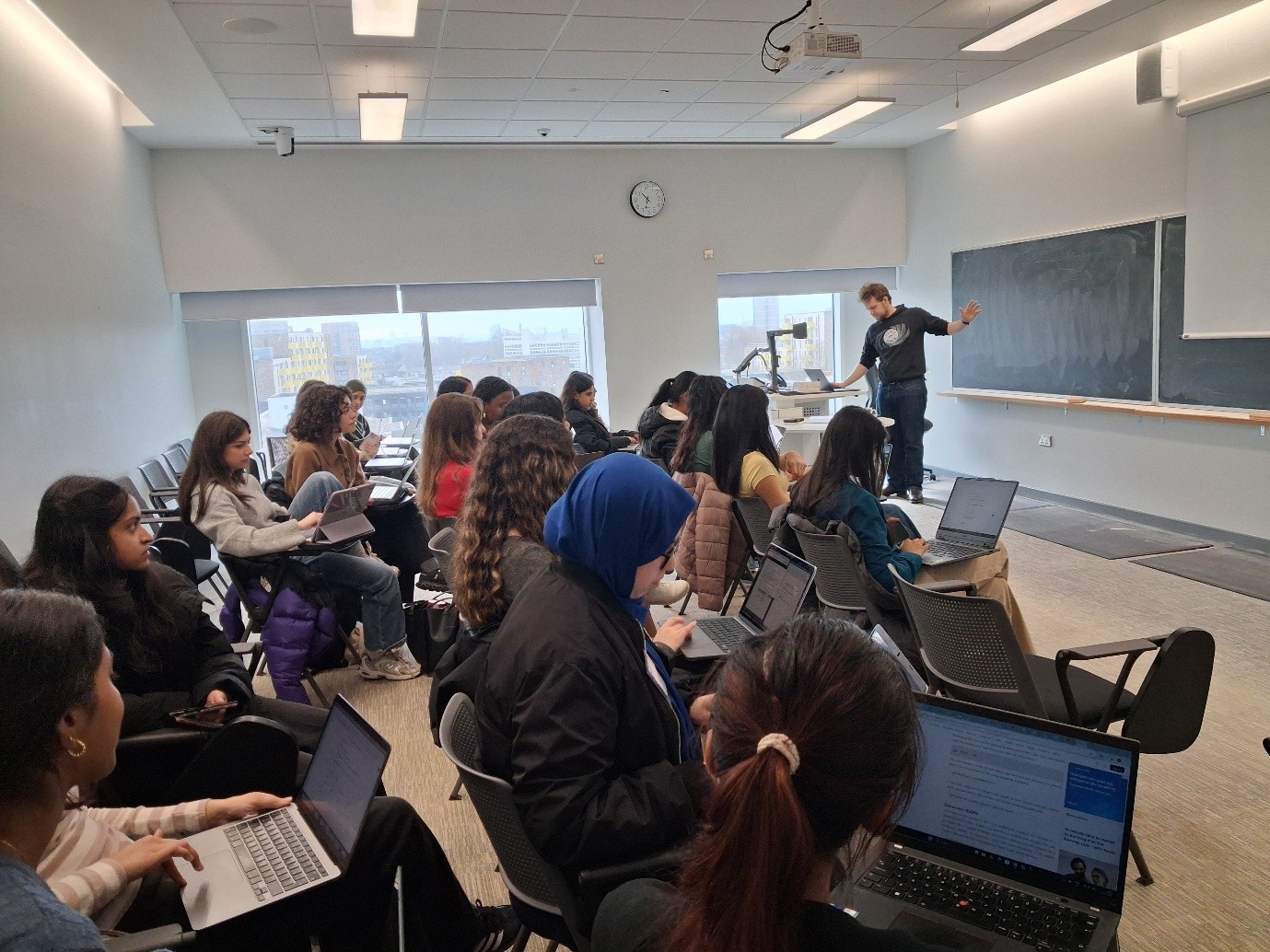 The hackathon began with introductory sessions on Python, Git and coding approaches, ensuring participants were equipped with the foundational skills needed to engage with the challenges. Participants then formed teams and worked collaboratively to develop projects across a range of topics, including AI bias, data analysis and predictive modelling.
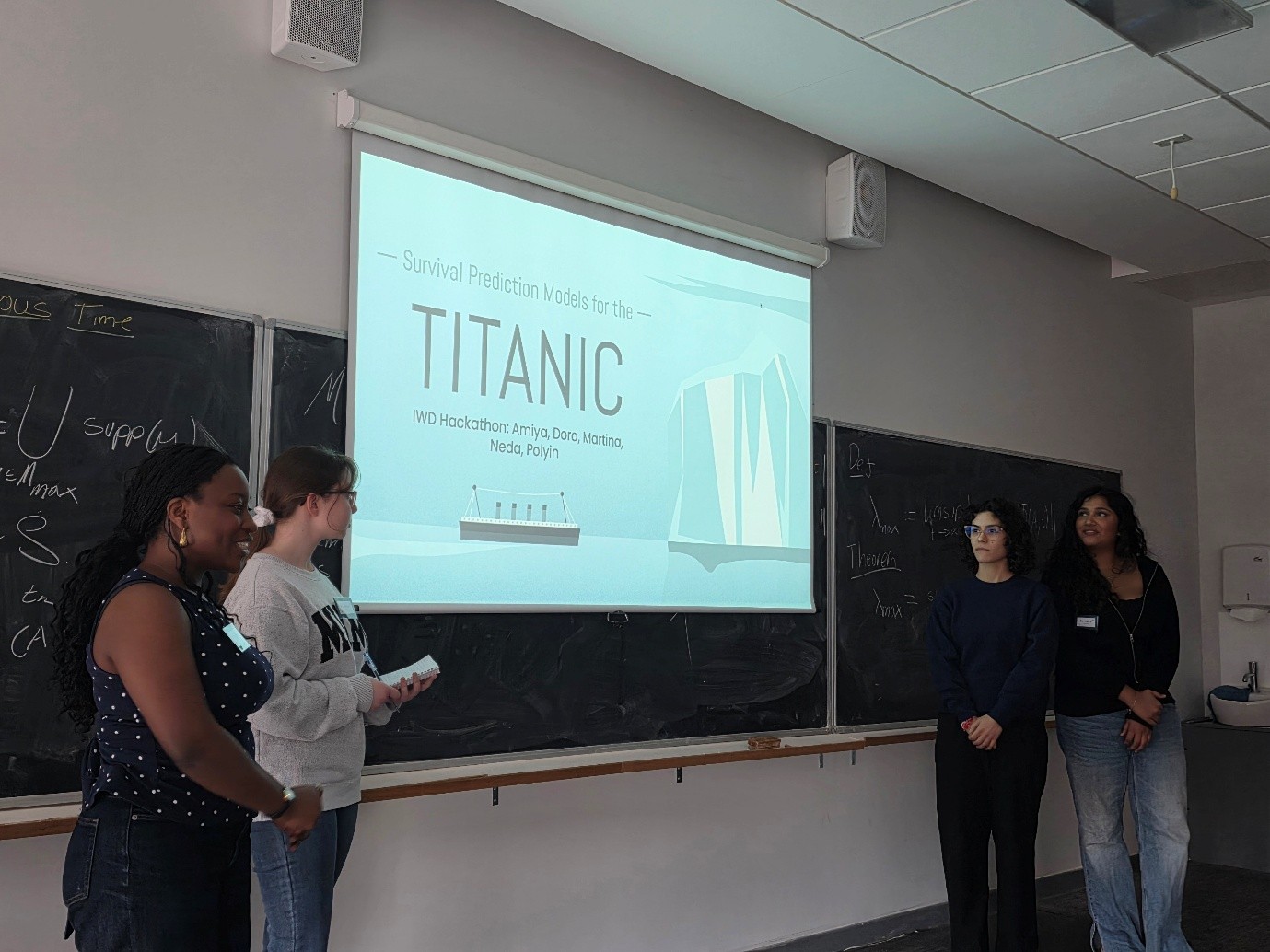 Day two included further development time, a session on AI and cybersecurity, and final project presentations. Teams demonstrated a wide range of approaches and techniques, showcasing the rapid development of technical skills and creative problem solving over a short period.
Key highlights
The event created an inclusive and supportive environment where participants built technical confidence, developed new skills and collaborated across disciplines.
Strong engagement throughout the two days enabled participants to apply newly learned skills in practice, with all teams successfully developing and presenting projects. Five teams were recognised for their work, including awards for corporate viability, research impact and social impact.
“Thank you so much for organising the hackathon. It was wonderful to see everyone working hard, enjoying themselves and learning so much. It was a great experience, and I hope it can run again next year around International Women’s Day.”
Participant feedback
Rise Up: Women in Business and Finance
Date: Wednesday 11 March 2026
Organiser: School of Economics and Finance and the School of Business and Management
Rise Up: Women in Business and Finance brought together young women from Years 10 to 12 for a day of exploration, inspiration and insight into university study and careers in business and finance. The event included academic taster sessions, talks from current students and alumni, and opportunities to engage with staff and student societies, alongside a campus experience.
Key highlights
Strong engagement, with over 220 registrations and 120 attendees, reflecting high interest in business and finance pathways among young women.
The event created an inclusive and supportive environment where participants explored subject areas, built confidence and connected with role models from academic and professional backgrounds.
A varied programme of academic sessions, student and alumni insights and networking opportunities provided a well-rounded introduction to university life and future career options.
Positive feedback highlighted the value of hearing real experiences and gaining a clearer understanding of pathways into business and finance.
Girls in Maths Day
Organiser: School of Mathematical Sciences, Queen Mary University of London.
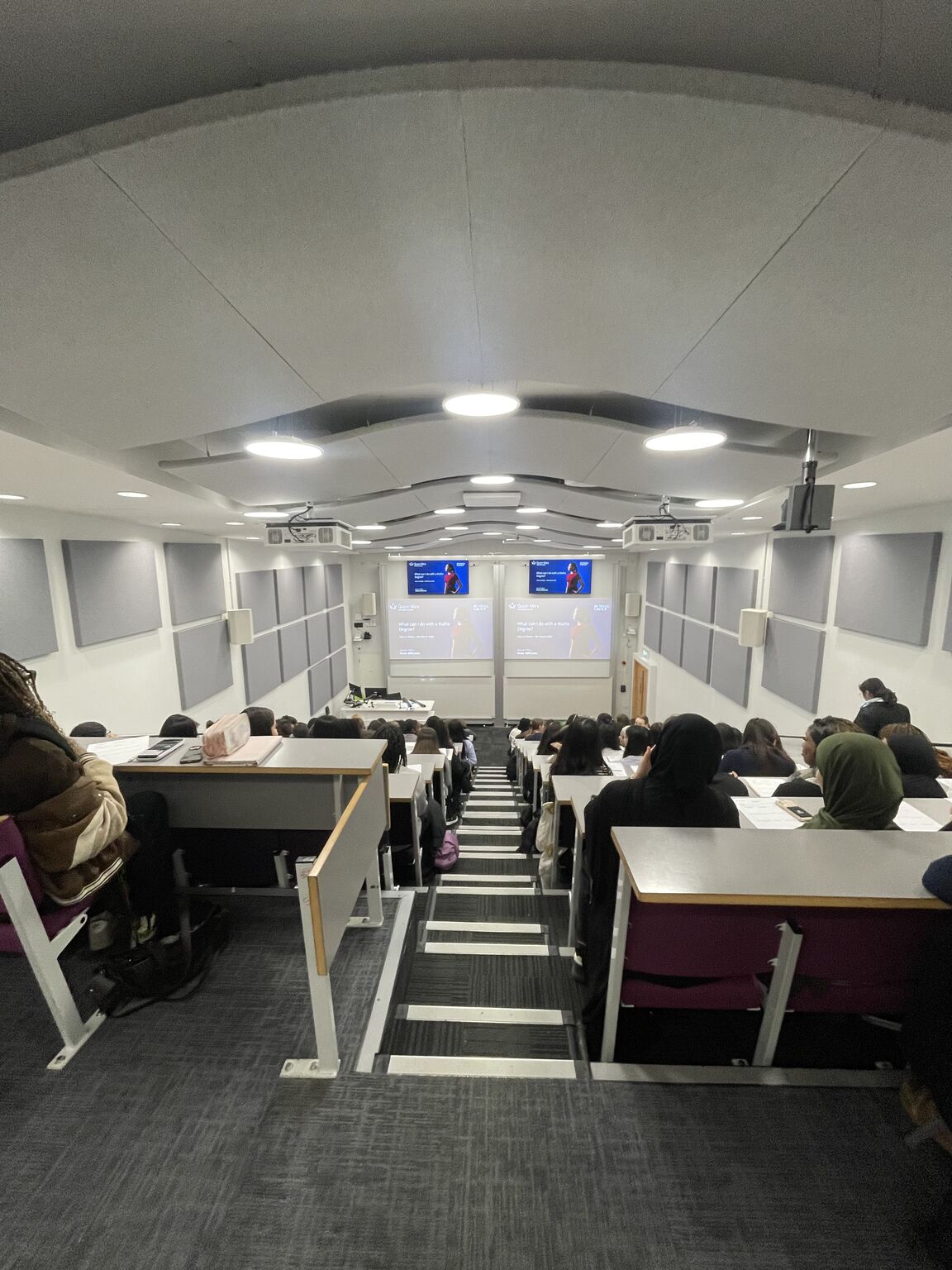
The Girls in Maths Day welcomed 120 Year 12 and 13 students from partner schools for a day of exploration and inspiration in mathematics. The programme included taster lectures on influential mathematicians such as Mary Somerville and Emmy Noether, alongside sessions on topics including black holes and the mathematics behind “spaghettification”. Students also heard from current university students about transitioning to higher education, explored future career pathways and took part in a campus tour.
Key highlights
High levels of engagement throughout the day, with students actively participating in sessions and asking thoughtful questions about studying mathematics at university.
The event created an inspiring and supportive environment, helping participants to build confidence and see themselves as future mathematicians, scientists and problem solvers.
Positive feedback from students and partner schools highlighted the impact of the day in challenging stereotypes and encouraging young women to pursue mathematics and STEM pathways.
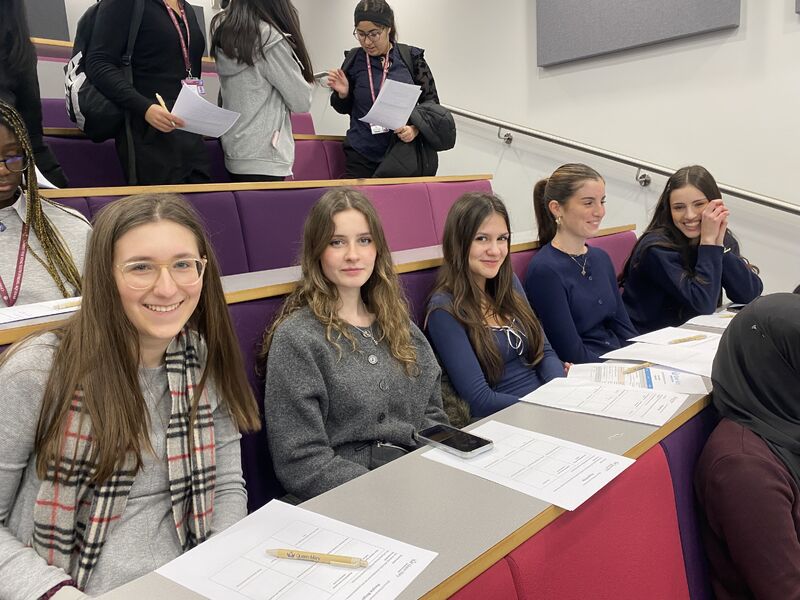 “It was so inspiring to visit Queen Mary and learn about women in maths who we had not heard of before. We really enjoyed the lecture on black holes, especially learning about spaghettification.”
Student feedback
“We would recommend this experience to other girls interested in maths-related degrees.”
Student feedback
Threads of Liberation: Women’s Liberation in East London Past, Present and Future
Date: Wednesday 25 March 2026
Organiser: Centre for Public Engagement at Queen Mary University of London
The Threads of Liberation event brought together academic staff, students, professional services colleagues and members of the wider community to explore women’s liberation in East London across past, present and future contexts.
Delivered in collaboration with Queen Mary Archives and Tower Hamlets Archives, the event showcased historical materials highlighting the contributions of women to social justice movements in East London. This was followed by a creative Nakshi Kantha workshop led by the OITIJ JO Collective, inviting participants to reflect on the meaning of liberation through traditional Bengali embroidery.
Key highlights
The event strengthened collaboration between Queen Mary and local community organisations, creating space for meaningful exchange and shared learning.
A diverse audience, including local residents, enhanced the discussion and helped deepen the University’s relationship with East London communities.
The programme foregrounded a range of perspectives, sharing stories from women of different ethnic backgrounds and from LGBTQIA+ communities involved in women’s liberation movements.
By blending archival material with creative practice, the event offered an engaging and accessible way to explore both historical and contemporary experiences of liberation.
Overall, the event supported community building, representation and knowledge sharing, aligning closely with Queen Mary’s Culture and Inclusion Strategy and the Give to Gain theme.
“There was a great collaboration between community and Queen Mary, which has developed relationships that will hopefully be long lasting.”
Participant feedback
Key Lessons
Taken as a whole, these insights show that when universities choose to invest intentionally in their people, including students, staff and the wider community, they create a stronger, more connected and more resilient environment for everyone.
The Give to Gain spirit reminds us that it is the choices and commitments made by the institution that shape the environment in which people are able to thrive.
- Progress is made when universities provide clear and accessible opportunities for development, ensuring that both students and staff have fair routes to build their skills, confidence and future prospects.
- Students flourish when academic support, wellbeing services and opportunities to participate in university life are inclusive and responsive to the wide range of experiences across the student community, including the intersecting identities that shape how people navigate higher education.
- Staff succeed when leaders recognise the weight of additional responsibilities, including work linked to equality, diversity and inclusion, and when workloads are balanced, sustainable and supported with appropriate resources. This is especially important for those who may already face barriers linked to gender, race, disability, class or other aspects of identity.
- A thriving university community is one where the varied experiences of women are understood and reflected in institutional practice. When universities pay attention to how policies, spaces and support frameworks impact different groups, they create conditions in which both students and staff can succeed.
- Confidence and capability grow when the university creates spaces for networking, peer learning and skills development. When these spaces welcome varied lived experiences and support people who have been historically underrepresented, they help build a community in which everyone feels able to contribute.
- Increasing the visibility of diverse role models strengthens the sense of belonging across the whole university community and helps students and staff imagine new possibilities for themselves, particularly those who have not traditionally seen themselves represented.
In essence, when universities give through fairness, openness, representation and consistent support, they gain a thriving and empowered community in which students, staff and the wider institution grow together.