
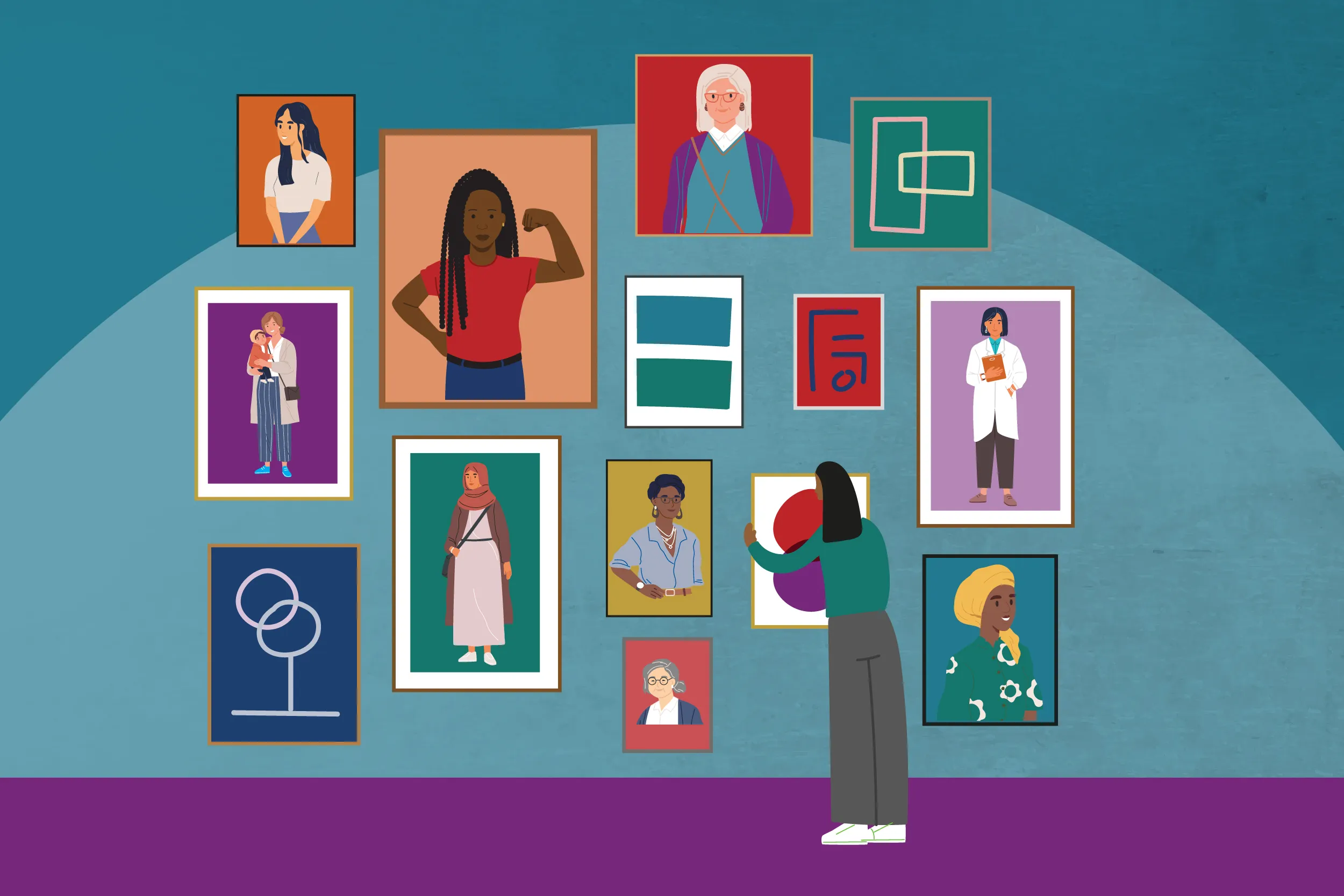
Queen Mary is proud to mark Women’s History Month throughout March and International Women’s Day on 8 March.
Women’s History Month celebrates the histories, achievements and contributions of women past and present. International Women’s Day, observed globally for over 115 years, is both a celebration and a moment for reflection. It recognises progress made while highlighting the work that remains to ensure women can thrive across all areas of society.
Throughout March, our community comes together through a diverse programme of events, conversations and activities that recognise women’s contributions and encourage meaningful action.
This Year’s Theme: Give to Gain
This year’s International Women’s Day theme, Give to Gain, emphasises the responsibility of institutions, leaders and those in positions of influence to create opportunities for others. Through the intentional sharing of time, knowledge, mentorship and support, organisations can enable more equitable access to development, progression and leadership.
In practice, Give to Gain calls on those with power to take action by investing in inclusive practices, supporting women’s leadership and creating environments where individuals and communities can thrive. In doing so, institutions strengthen both individual outcomes and the collective success of the communities they serve.
Our Commitment at Queen Mary
At Queen Mary, we have a long-standing commitment to progressing gender equity across our institution.
In 2022, we successfully retained our Institutional Athena Swan Silver award, recognising sustained progress in addressing barriers and improving representation among both students and staff. Our Institutional Gender Impact Plan (2022–2027) sets out the actions we are taking to build on that progress and embed inclusive practice across the University.
Recognising the impact of caring responsibilities on career progression, the Carer’s Career Development Fund (CCDF) supports parents, guardians and carers with additional care costs incurred when attending conferences or networking events outside normal working hours.
The University’s Staff Networks provide platforms for voice, opportunity and connection for colleagues with shared identities and interests. These networks help shape University policy, support community building and inform EDI strategy.
The Gender Equality Staff Network is open to all staff with an interest in progressing gender equity across Queen Mary. Colleagues can join the network via the MS Teams group listed on the Staff Networks page.
The Parents and Carers Network provides support and connection for staff with parenting and caring responsibilities, creating space to share experiences and inform institutional policy and practice. You can join this network via the Staff Networks MS Teams groups.
Queen Mary is also committed to being menopause inclusive. The University’s Menopause Policy Statement sets out the support, adjustments and guidance available to staff experiencing menopause.
In addition, the Staff Menopause Network offers a dedicated space for connection and support for staff. This network is open to all staff members and can be joined via the Staff Networks MS Teams groups.
Women’s History Month and International Women’s Day are each a celebration of women’s achievements and a moment to reflect on how far we have come, and how far we still have to go to achieve gender equity.
This year’s theme, Give to Gain, reminds us that progress is not a zero-sum game. When we invest in women’s leadership, wellbeing and opportunities, we strengthen our whole community.
At Queen Mary, we are committed to creating an environment where everyone can thrive. This means recognising the value of collaboration and allyship, and ensuring that the work of advancing gender equality is shared, visible and sustained.
I encourage everyone across our community to engage with the programme of events and activities taking place throughout Women's History Month. These moments of learning, connection and reflection help us to build a more inclusive future together.
Message from Dr Philippa Lloyd, Vice-Principal (Policy and Strategic Partnerships)