
Items
 How I Ended Up Modelling Cell Division as an Undergraduate
As a third-year Biochemistry student, Filip Roch joined the Volkov lab to explore how chromosomes stay attached to microtubules during cell division. By combining cell biology with computational modelling, he studies molecular interactions that are too small and fast to observe directly.
Date added: Monday, February 2, 2026
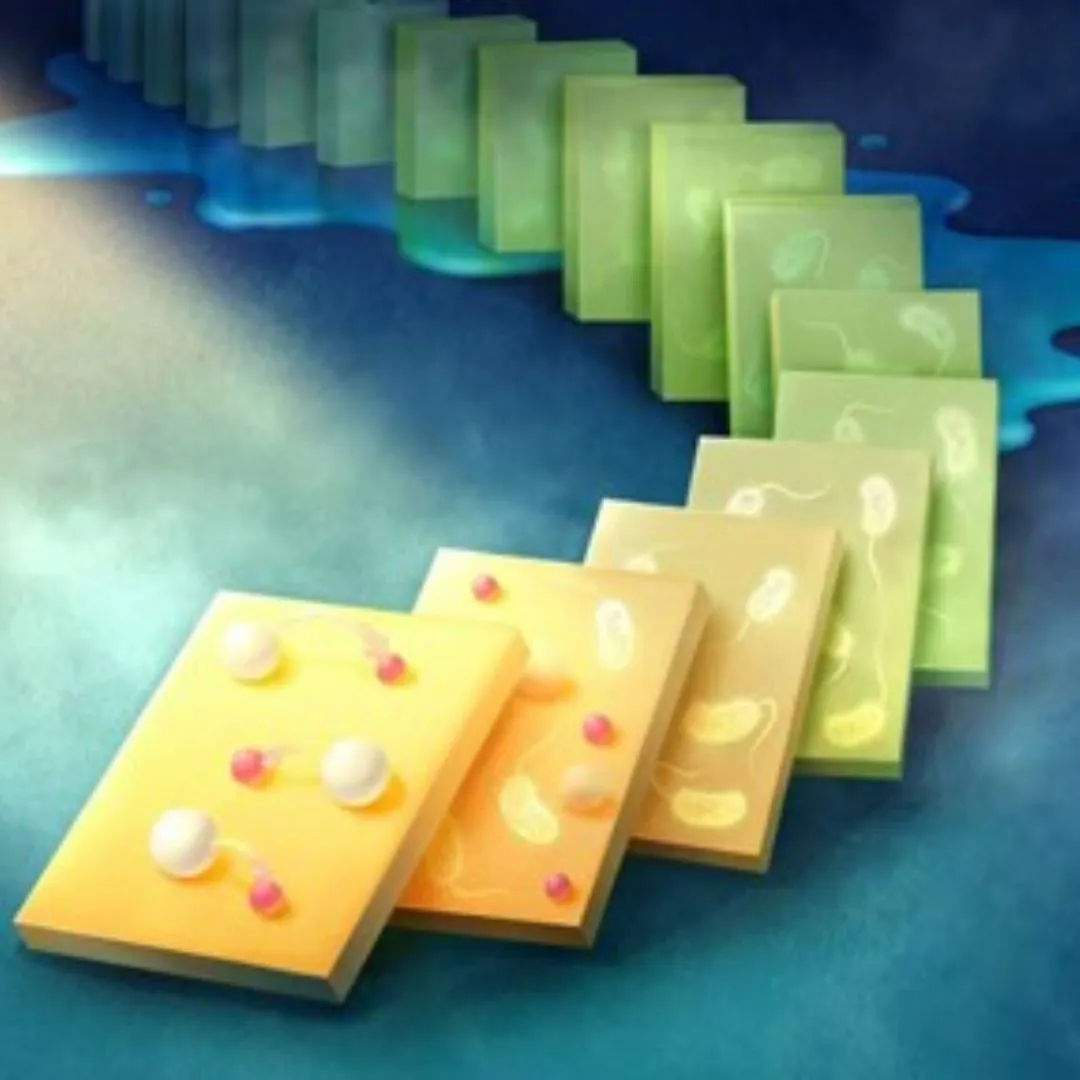 Beyond Nature: Training Bacteria to Turn Carbon Dioxide into Fuel
At SBBS, cutting-edge research and teaching are closely intertwined. Nowhere is this clearer than in the emerging field of artificial photosynthesis, where insights from chemistry, biology, and engineering converge to tackle the climate crisis. Recent work from Dr Lin Su’s group demonstrates how this interdisciplinary science can not only advance sustainable technologies, but also shape the learning experience of the next generation of biotechnologists.
Date added: Thursday, January 29, 2026
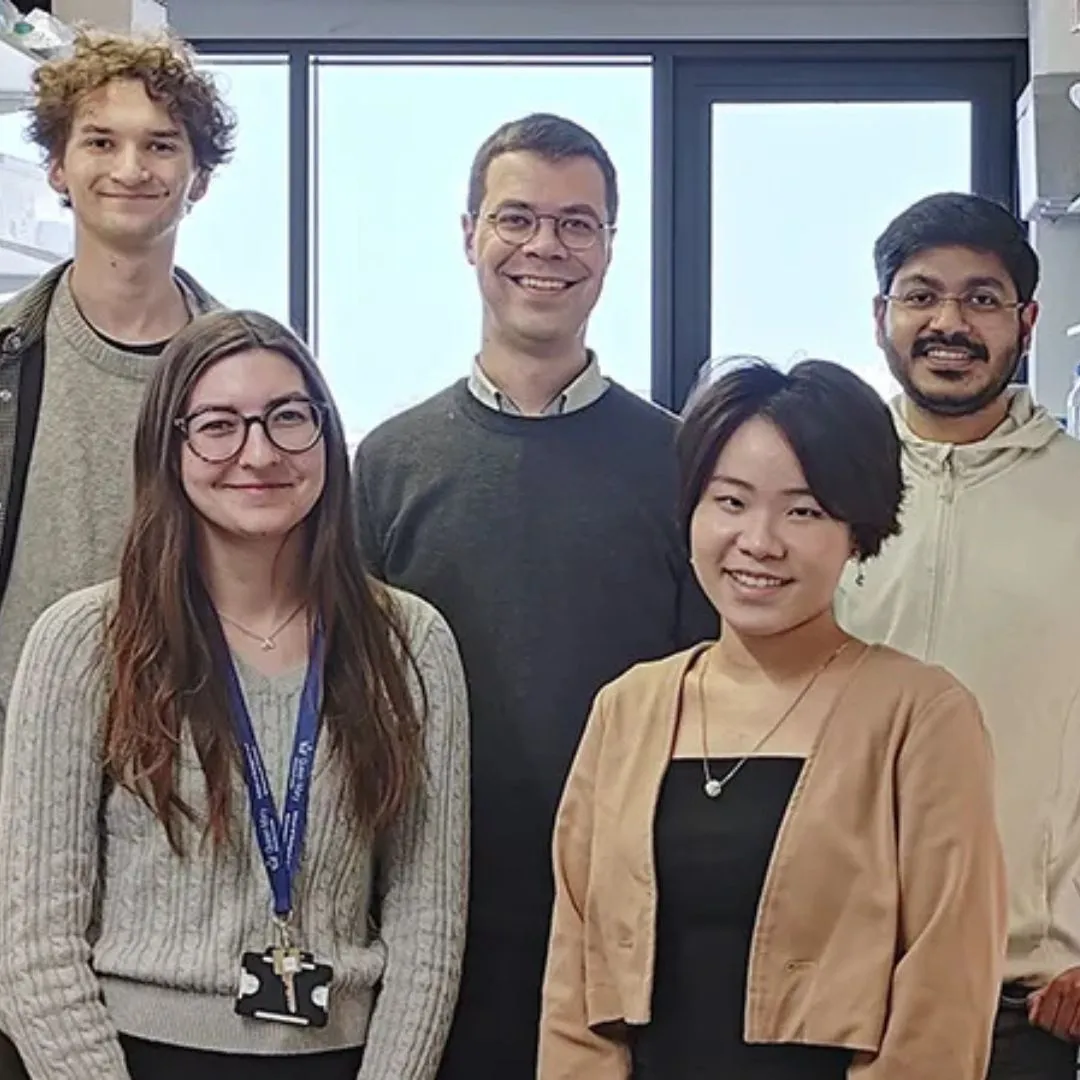 The hidden life of microtubules
Cell division demands a remarkable combination of strength and flexibility. Chromosomes must remain securely attached to structures that are simultaneously growing, shrinking, and reorganising. Microtubules, hollow protein tubes within the cytoskeleton, are uniquely suited to this task. Despite their tiny size, they are among the stiffest structures in the cell, yet their ends are in constant flux. How these contradictory properties coexist has long been a puzzle in cell biology.
Date added: Thursday, January 29, 2026
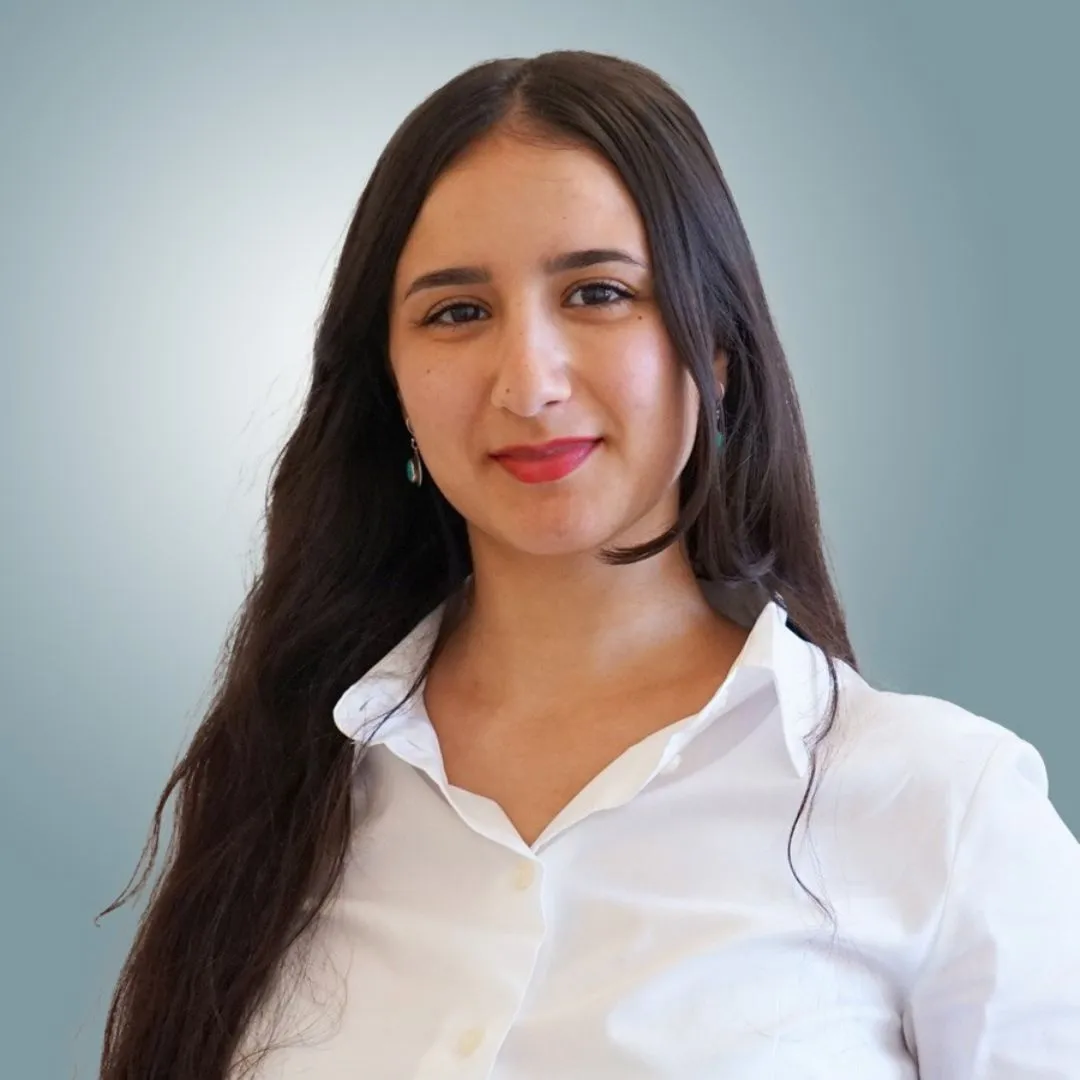 How Studying Bacterial Gene Regulation Launched My Research Career
Driven by a long-standing interest in transcription and bacterial gene regulation, Shafagh Moradian joined Dr Christoph Engl's laboratory at the Centre for Molecular Cell Biology to investigate how bacteria control gene expression at the single-cell level. Using advanced microscopy and molecular biology techniques, their research revealed how attenuation shapes transcriptional behaviour within bacterial populations, leading to a first-author publication in Science Advances, international research opportunities, and a postdoctoral position at the Helmholtz Centre for RNA-based Infection Research in Germany.
Date added: Friday, July 3, 2026
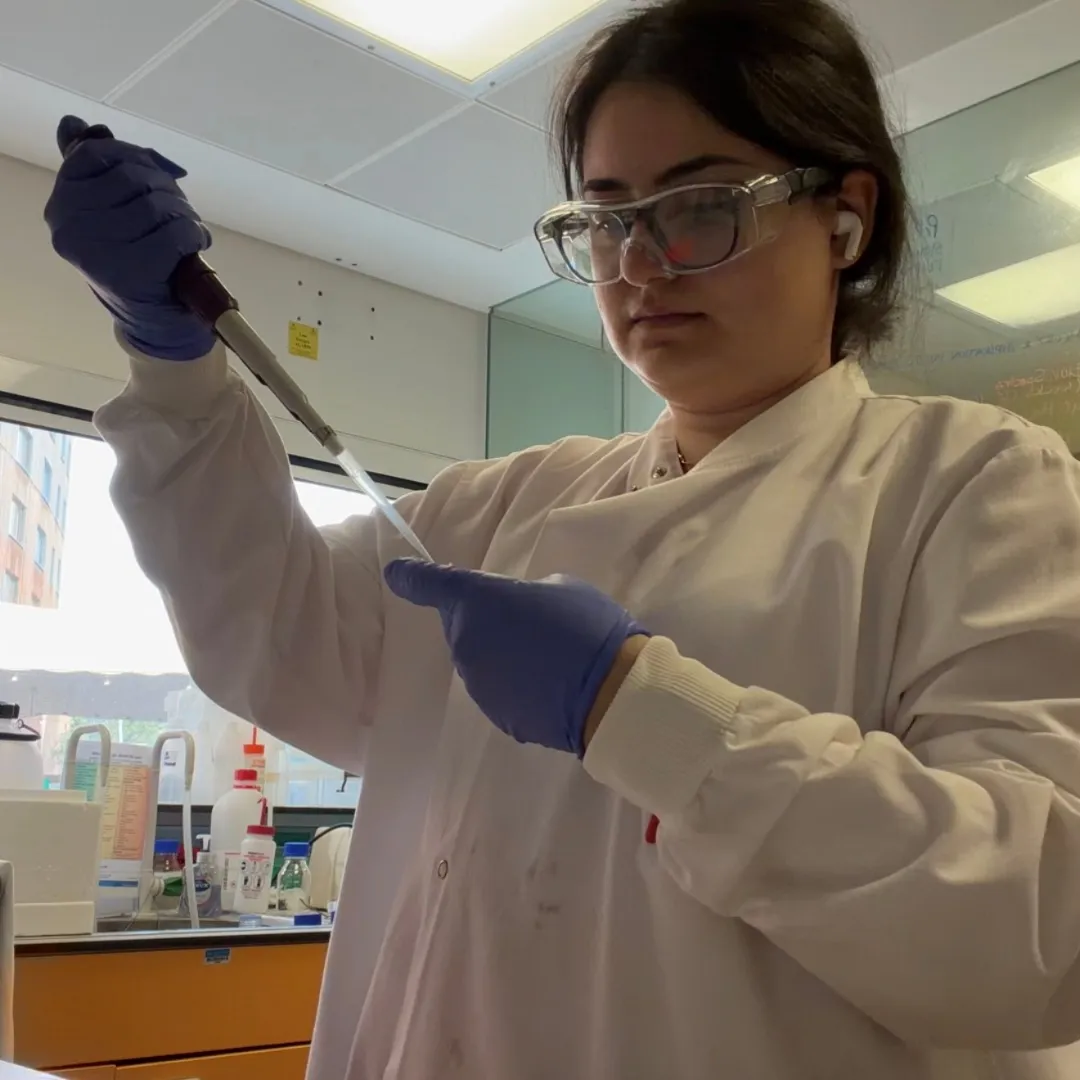 Investigating Amyloid Fibrils and Alzheimer’s Disease During My MSc Research Project
As part of the six-month research project within the MSc Molecular Cell Biology programme at Queen Mary University of London, Ceyda joined Professor John Viles’ research group to investigate the stability of protein structures associated with Alzheimer’s disease. The project gave Ceyda the opportunity to explore an area of science that has interested her for several years while developing her skills as an independent researcher.
Date added: Monday, July 13, 2026