
Items
 How Humans Have Shaped Evolution
Genomes are vast biological archives, recording millions to billions of DNA letters that encode how organisms function, adapt, and evolve. At SBBS, researchers are reading these genetic blueprints to understand not only how species evolved naturally, but how human activity has fundamentally redirected their evolutionary paths
Date added: Tuesday, March 3, 2026
 How Genomics Shaped My Academic Journey at QMUL
Studying Medical Genetics started Batool Mahmoud’s path into exploring Genetics through academic and research means. During her time at QMUL, Batool’s interests and understanding of genetics and its analysis. She hopes she can further apply her learning at a PhD level.
Date added: Monday, March 9, 2026
 Building Skills for the Future of Genomics
From understanding how genes work to analysing vast genomic datasets, modern biology increasingly relies on the ability to interpret DNA. At SBBS, genomics forms a key part of our teaching, giving students the opportunity to explore both the biological foundations of genomes and the computational tools needed to study them.
Date added: Tuesday, March 17, 2026
 Genomic tools to study the rules of life and disease development at high Resolution
Genomics is transforming how we study life at its most fundamental level. By analysing DNA and its regulation in unprecedented detail, researchers can uncover how cells behave, how diseases emerge, and how treatments might be tailored to individuals. From single-cell technologies to advanced computational methods, genomics is opening new frontiers in both biological research and medicine.
Date added: Friday, March 27, 2026
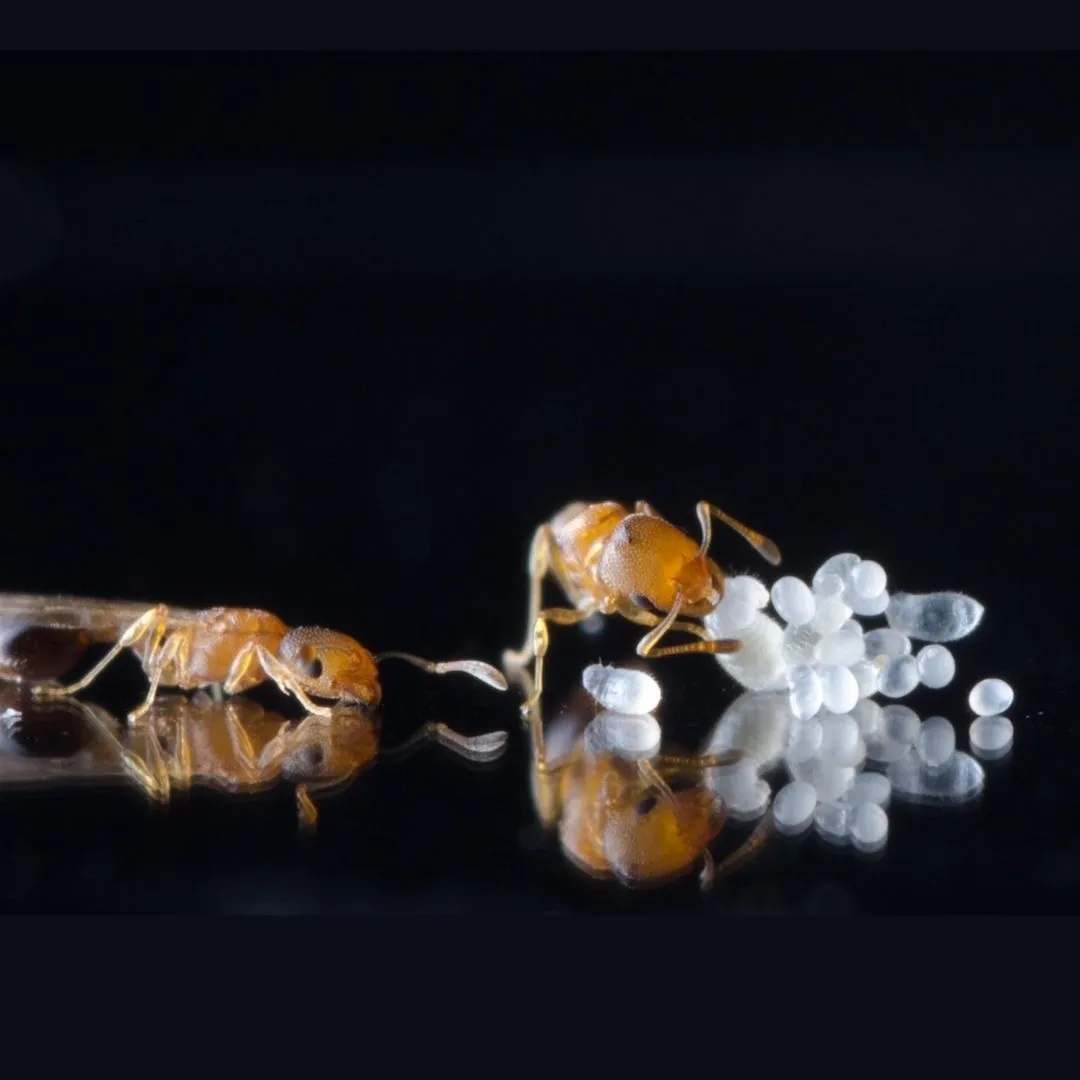 What happens when animals lose the microbes they depend on?
New research from Queen Mary University of London reveals how ants flexibly manage an ancient partnership with bacteria, allowing them to cope with changing nutritional conditions.
Date added: Monday, September 7, 2026
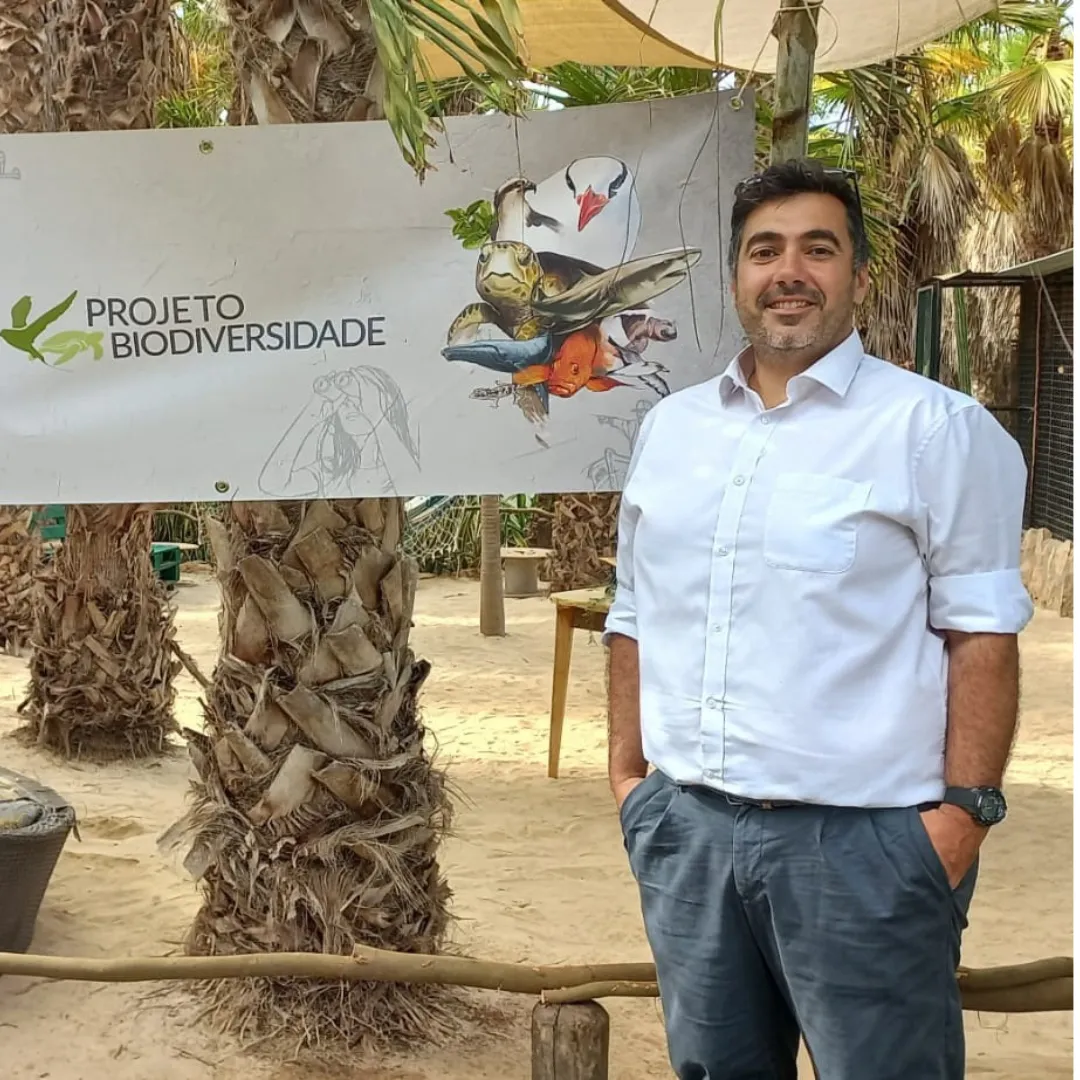 Taking genetics into the field: reflections from my conservation sabbatical
After a research-focused sabbatical embedded with conservation organisations in Cabo Verde, Chris reflects on how working directly with practitioners has changed his approach to conservation genomics, and how genetic technologies could help address real-world conservation challenges.
Date added: Wednesday, September 30, 2026