
Working with a Local Authority: Health Determinants Research Collaboration (HDRC)
.png)
Find out more about how we work with Tower Hamlets Council on the Health Determinants Research Collaboration
- Project title: Tower Hamlets Health Determinants Research Collaboration (HDRC)
- External partners: Tower Hamlets Council; Tower Hamlets CVS
- Key themes: public health; health inequalities; community research
Please could you give us an overview of the Tower Hamlets HDRC?
The Tower Hamlets Health Determinants Research Collaboration (HDRC) is a partnership bringing together Tower Hamlets Council, Queen Mary University of London, the University of East London, London Metropolitan University and Tower Hamlets Council for Voluntary Service (THCVS). Its aim is to strengthen how research and evidence are used across the Tower Hamlets borough so local decisions better reflect the factors that shape health and wellbeing. This includes building research capacity, connecting local priorities with university expertise, improving the use of data, and creating meaningful routes for residents and community organisations to shape research. The work spans physical and mental health, housing and economic security, opportunities for residents, and crime and safety. A key principle is that research should respond to real local priorities and help improve policy, services and outcomes for Tower Hamlets residents.
Please could you tell us more about your work as Health Inequalities Research and Partnerships manager and what your role involves?
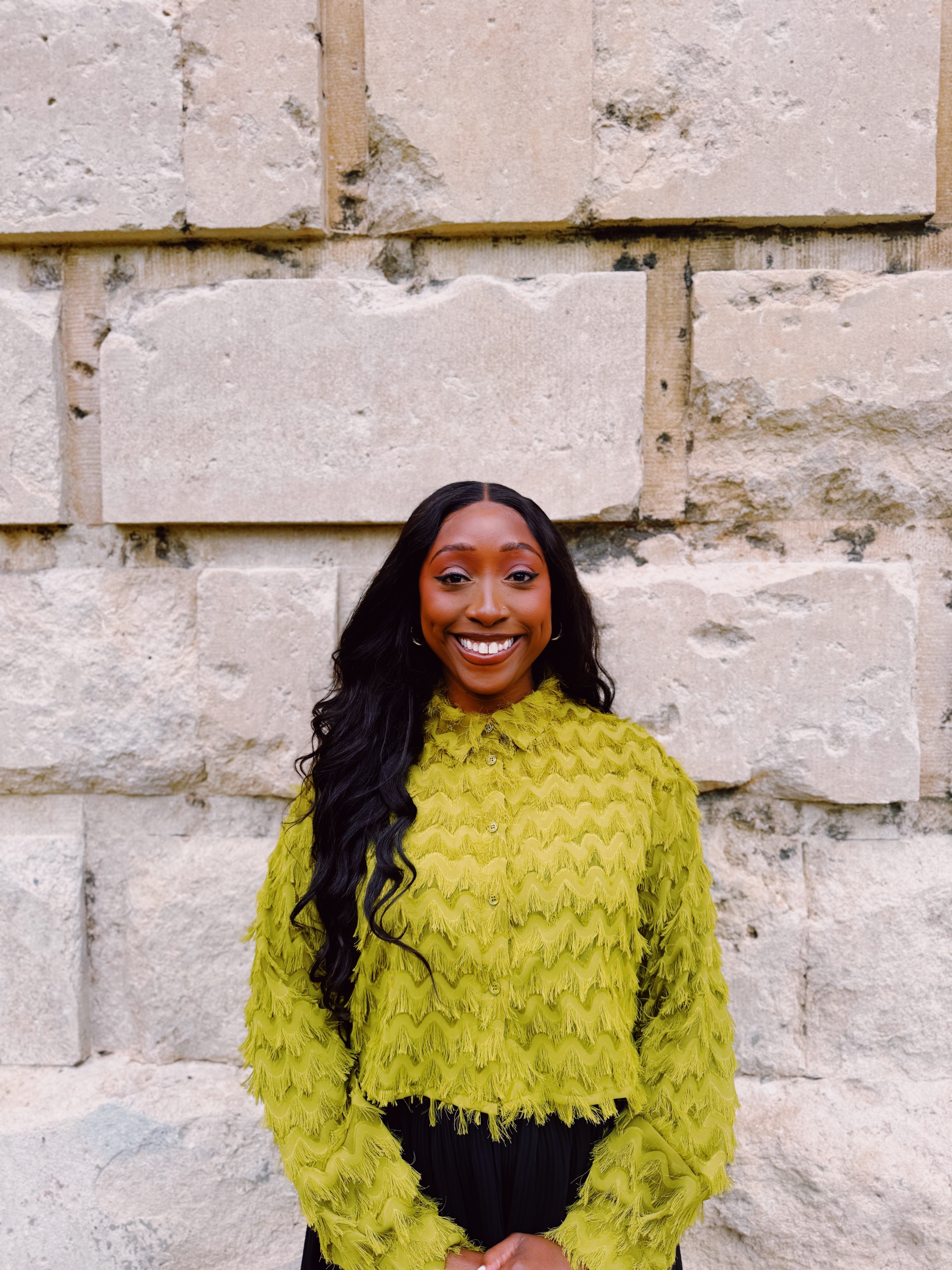
As Health Inequalities Research and Partnerships Manager at Queen Mary for the Tower Hamlets HDRC, my role is largely about making connections and turning shared priorities into practical research opportunities. I work across QMUL, Tower Hamlets Council, THCVS and wider community and health partners to identify where research can help address local inequalities, bring the right people together, and support collaborations from an early idea through to a developed project or funding bid.
A major part of my work has been mapping Queen Mary’s research, engagement and training assets against the HDRC’s priority themes. This helps us see where existing expertise and community-facing work can respond to local needs, while identifying gaps and opportunities for new partnerships. I also support collaborative funding proposals, research events and partnership-building activities, and help academics navigate the local landscape so projects are grounded in borough priorities rather than developed in isolation.
My research background in health inequalities, mixed methods and community-engaged research helps me work across both the research and partnership sides of the programme. I see the role as a bridge: helping university researchers understand local priorities and ways of working, while helping council and community partners access relevant academic expertise, evidence and research opportunities.
Please could you tell us more about how you work with Tower Hamlets Council?
I work with colleagues across Public Health and other council teams to understand the questions they are trying to answer, then connect those needs with relevant researchers, methods, data expertise or funding opportunities across Queen Mary and the wider HDRC partnership. This can involve brokering introductions, shaping early project ideas, supporting grant applications and letters of support, organising research and collaboration events, or helping identify suitable evaluation partners.
The asset-mapping work has been particularly useful because it gives us a clearer picture of Queen Mary’s strengths and how they align with council priorities. It moves us away from relying only on existing personal contacts towards a more systematic way of finding expertise. Across the HDRC, this partnership approach is supporting work on issues such as free school meals, housing conditions, employment and wellbeing, children’s health and air quality.
The relationship is deliberately two-way. The council brings detailed knowledge of local systems, services, data and resident priorities, while the university brings research expertise and capacity. My role is to help create the conditions for both forms of knowledge to inform the work from the beginning.
/filters:format(webp)/prod01/channel_262/queen-mary-university-of-london/media/qmul/publicengagement/case-studies/Untitled-design-(22).png)
Please could you tell us more about how you work with Tower Hamlets CVS and how you go about engaging with local residents?
THCVS is an essential partner because it brings knowledge, relationships and trust from across Tower Hamlets’ voluntary and community sector. I work with THCVS colleagues to connect researchers with community organisations, develop opportunities for public involvement, and make sure community knowledge is part of how research priorities and partnerships are formed.
One example is Hidden Voices in Research, which brings academics, voluntary sector organisations and community researchers together to build relationships, share learning and explore research collaborations around issues that matter to residents. The HDRC has also established a Community Research in Tower Hamlets Steering Group, bringing together community researchers, voluntary organisations, council teams and university partners to co-produce stronger ways of working, including shared values, power imbalances, fair payment and support for community researchers.
For me, engaging residents is not simply about asking people to comment on a project once it has already been designed. We want lived experience and community expertise to influence the questions, methods and how findings are interpreted and applied. Working through trusted voluntary and community organisations, and investing time in relationships rather than approaching communities only when a project needs participants, is central to that.
Anything else you’d like to share?
One thing I have learned is that partnership-building is itself an important part of research infrastructure. Some of the most valuable work happens before there is a formal project: understanding who is already active in an area, building trust, making introductions and creating spaces where people can develop ideas together.
The asset map has helped make Queen Mary’s contribution more visible, but it has also shown how much relevant work already exists across the borough. The opportunity is not always to create something new; often it is to connect existing expertise, community knowledge and local priorities more effectively. The HDRC gives us a structure for doing that over the longer term and for developing a more joined-up research culture in Tower Hamlets.
Please could you share any top tips or lessons learned?
- Start with relationships, not a research proposal. Take time to understand local priorities, existing work and who needs to be involved.
- Create genuine two-way partnerships and map what already exists. Council, community and resident knowledge is as important as university expertise, and asset mapping can uncover connections and prevent duplication.
- Involve community partners early and budget for involvement properly, including accessibility, fair and timely payment, and support. Be realistic about timescales, use connector roles to maintain momentum, and keep feeding back so partners and residents know what happened as a result of their involvement.
SDGs supported:
- SDG 3: Good health and well-being
- SDG 17: Partnerships for the goals
Queen Mary University of London is committed to driving action for the Sustainable Development Goals through our research, education, and engagement. Find out more about the SDGs at Queen Mary University of London.