
FMD

 News story: Experts provide policy roadmap to reduce dementia risk, the leading cause of death in the UK
16, January , 2026
A national panel of experts has issued the strongest call yet for the Department of Health and Social Care to overhaul how it approaches dementia prevention, pointing to vital evidence that dementia risk can be reduced and providing a framework for the development of new government policy that could improve brain health for millions.
 News story: Mapping proteins in African genomes reveals new paths to fight type 2 diabetes
20, January , 2026
By combining genomic and plasma proteomic data from a Ugandan cohort, the researchers mapped nearly 400 genetic regions that regulate circulating protein levels – 58 of them previously unknown in African-ancestry individuals.
 News story: England’s Chief Dental Officer reopens Queen Mary’s refurbished Barkantine Dental Outreach Clinic
20, January , 2026
Queen Mary University of London welcomed the Chief Dental Officer for England, Jason Wong MBE, and members of the General Dental Council to reopen one of its newly refurbished dental outreach clinics in East London.
 News story: New approach offers hope for people with rare eye cancer
21, January , 2026
Researchers at Queen Mary’s Barts Cancer Institute have found a more active approach to monitoring and treating people with a rare eye cancer (known as uveal melanoma) that has spread to the liver could help some patients to live longer.
 News story: Queen Mary strengthens partnership with Barking and Dagenham Council
4, February , 2026
The Institute of Dentistry at Queen Mary University of London welcomed several members of the Cabinet from the London Borough of Barking and Dagenham to strengthen the collaboration between the University and Council, following the successful application to provide a dental outreach clinic in Maritime House, Barking.
 News story: First of its kind daily HIV treatment shows promising results
9, February , 2026
The daily pill paves the way for other long-acting treatments for those living with HIV, and addresses the growing concern of resistance to integrase strand-transfer inhibitor (INSTI) treatments, which are the first line of treatments for HIV across the world.
 News story: Celebrating the history of medicine and dentistry at Queen Mary
9, February , 2026
Queen Mary University of London has a proud of improving lives and access to higher education, built on four historic institutions the oldest of which – The London Hospital Medical College – was founded in 1785.
 News story: Queen Mary research results in changes to NHS guidelines
12, February , 2026
Thousands of people with advanced bladder cancer across the UK can now receive three rather than six chemotherapy cycles following research by Queen Mary University of London which has led to a change to NHS treatment guidelines. For people with the condition, this means fewer toxic side effects and a better quality of life during treatment.
 News story: Study sheds new light on early brain development in Down Syndrome
17, February , 2026
Researchers uncover defects in membrane of brain cells that diminish their action and connectivity during development in Down Syndrome.
 News story: High-risk patients account for 80% of post-surgery deaths
25, February , 2026
Large UK-wide study shows that high-risk patients account for nearly 80% of post-surgery deaths, highlighting the need for open conversations and more tailored care.
 News story: Single daily pill shows promise as replacement for complex, multi-tablet HIV treatment regimens
25, February , 2026
A phase 3 clinical trial, led by Professor Chloe Orkin of Queen Mary University of London, has shown that a new, daily oral tablet that combines two current HIV treatment medications – bictegravir and lenacapavir (BIC/LEN) – may simplify treatment significantly for people with HIV who currently take very complex treatments.
 News story: Drug that targets immune cells shows potential as new treatment for diabetic heart disease
27, February , 2026
Researchers from Queen Mary University of London have found that a medication originally developed for glycemic control can reverse serious heart damage — not by controlling blood sugar as originally intended, but by retraining the immune system to protect the heart from within.
 News story: For neighbourhood care to work, we need a shared data infrastructure
22, February , 2026
Dr Anna De Simoni, Clinical Reader in Primary Care Research at Queen Mary University of London, wrote for the Health Service Journal (HSJ) about what is needed for neighbourhood care to work.
 News story: Study finds shared genetic roots of MS across diverse ancestries
9, March , 2026
A new study published in Neurology and led by Queen Mary University of London, has revealed that people of South Asian, African and European ancestry share many of the same genetic risk factors for multiple sclerosis (MS).
 News story: Dr Cara Croft receives Suffrage Science Award for Life Sciences
10, March , 2026
Dr Cara Croft, Senior Lecturer in Neuroscience at Queen Mary University of London, has been awarded the 2026 Suffrage Science Award for Life Sciences. The prestigious peer-to-peer award recognises outstanding women in science for both research excellence and their commitment to inspiring others.
 News story: Queen Mary's Digital Education Studio wins prestigious prize
16, March , 2026
Queen Mary University of London's Digital Education Studio has been awarded the 2026 Roger Mills Prize – one of the most prestigious honours in digital higher education – for its transformative approach to online learning through the CARE as Value-Led Digital Education Transformation initiative.
 News story: Largest genomic study of kidney function in Africa reveals new genetic risk factors
25, March , 2026
An international research collaboration led by Queen Mary University of London and University of the Witwatersrand (Wits) in South Africa has published the most comprehensive genomic investigation of kidney function ever conducted in African populations.
News story: Kidney disease is growing in Africa: big new study casts light on genetic risk factors 10, April , 2026
Segun Fatumo, Professor and Chair of Genomic Diversity at Queen Mary University of London, has written for The Conversation on ‘Kidney disease is growing in Africa: big new study casts light on genetic risk factors.’
 News story: First UK study into the prevalence of poison in deaths by suicide
21, April , 2026
A new study, led by Professor Amrita Ahluwalia of Queen Mary University of London, shows that a high dosage of a substance was responsible for 164 deaths by suicide in the UK from March 2019 to August 2024, with young people disproportionately impacted.
 News story: Prostate cancer overdiagnosis rises sharply with age
22, April , 2026
Researchers at Queen Mary University of London have found that the likelihood of prostate cancer overdiagnosis – the detection of a cancer that would never have been diagnosed during a patient’s lifetime but for PSA screening – is low in younger men but rises substantially with old age.
 News story: New tool helps to identify people at highest risk of obesity-related diseases
30, April , 2026
A simple tool, developed by researchers at Queen Mary University of London and the Berlin Institute of Health at Charité, could help identify which people living with obesity or overweight are most likely to develop serious obesity-related conditions such as type 2 diabetes and heart disease.
 News story: Professor Claudia Langenberg elected as member of Germany’s Leopoldina
6, May , 2026
Professor Claudia Langenberg, Director of Queen Mary’s Precision Healthcare Research University Research Institute (PHURI) has been elected to the prestigious German National Academy of Medical Sciences, the Leopoldina.
 News story: Scientists discover how HIV hijacks a cellular 'gateway' to infect resting immune cells
6, May , 2026
The findings, produced by researchers from Queen Mary University of London and published in Nature, overturn long-held assumptions about HIV infection and could reshape understanding of how the virus establishes hidden reservoirs in the body.
 News story: Largest study on genetics of blood proteins uncovers new disease mechanisms and drug repurposing opportunities
7, May , 2026
Involving a collaboration with 118 investigators contributing from 89 institutions, scientists from Queen Mary University of London’s Precision Healthcare University Research Institute and Berlin Institute of Health (BIH) at Charité have led the world’s largest study on the genetic regulation of blood proteins.
 News story: Queen Mary academics elected Fellows of the Academy of Medical Sciences
21, May , 2026
Two Professors from Queen Mary University of London have been selected for the 2026 Fellowship of the Academy of Medical Sciences. The honour recognises individuals who have demonstrated exceptional leadership and achievement in advancing medical science, improving healthcare and delivering benefits to patients and communities.
 News story: Drug slows progression of MS
29, May , 2026
Trial results show that ocrelizumab helps preserve hand function and reduce the risk of wheelchair dependence in people with primary progressive multiple sclerosis (MS).
 News story: First results from NHS-Galleri trial presented at international conference
30, May , 2026
Today (Saturday 30th May 2026), the first full results from the NHS-Galleri trial, a research study looking into the use of a blood test to see if it can help the NHS to detect cancer early, have been presented at the annual American Society for Clinical Oncology conference.
 News story: Queen Mary biologist Dr Suzanne Eldridge shortlisted for top business award.
1, June , 2026
The nomination signals the growing importance of high-value science-led innovation within British entrepreneurship.
 News story: New funding allows TRANSFORM prostate cancer research trial to invite all eligible black men
9, June , 2026
The UK Department of Health and Social Care has announced an additional investment of up to £18m, to extend the landmark TRANSFORM prostate cancer screening trial to invite all eligible Black men aged 45-74 who have not had a recent PSA blood test to participate.
 News story: New AI heart failure screening tool could save lives, cut hospital waiting lists and deliver major NHS cost savings
11, June , 2026
Scientists at Queen Mary University of London and Barts Health NHS Trust have been awarded £1.3m to develop the invention for use in the NHS.
 News story: New theory over mystery death of Botticelli’s Birth of Venus model, Simonetta Vespucci
16, June , 2026
Expansion of pituitary adenoma may have caused her premature death at 23, and be the cause of her long-admired Strabismus (squint) of Venus
 News story: Cervical cancer deaths plummet to record low thanks to HPV vaccine
18, June , 2026
First of its kind research, led by Queen Mary University of London and funded by Cancer Research UK, shows that the human papillomavirus (HPV) vaccine is reducing cervical cancer deaths in England.
 News story: Hip fracture patients three times less likely to need repeat surgery with dual mobility hip replacements
3, July , 2026
A major international clinical trial led by Queen Mary University of London and Uppsala University in Sweden has found that an emerging type of hip replacement implant dramatically reduces complications in people with a broken hip.
 News story: New brush test detects oral cancer in one hour
6, July , 2026
A paper published in the Nature journal Biomarker Research by a cross-University team led by Queen Mary University of London researchers, validates the use of a non-invasive brush biopsy test that can detect oral cancer within one hour.
 News story: Major step forward as new approach to rare disease drug development yields first research results.
8, July , 2026
The TREAT-EB collaboration between Queen Mary University of London and DEBRA Research aims to circumvent the discovery bottleneck blocking treatments for epidermolysis bullosa.
 News story: How England is weighing the cost of genomic newborn screening
9, July , 2026
New research led by Queen Mary University of London assesses the cost of genomic screening for newborns in England.
 News story: AI combines multiple DNA clues to improve cancer detection from blood
13, July , 2026
Researchers have developed an artificial intelligence method that can detect signs of cancer by combining several different clues found in DNA fragments circulating in the blood.
News story: New Nature Genetics study unlocks fresh insights into disease biology and future drug discovery 24, July , 2026
Research led by scientists at Queen Mary University of London has shown how next-generation blood protein analysis can uncover important biological insights that conventional technologies miss, opening up new opportunities to better understand disease and identify future drug targets.
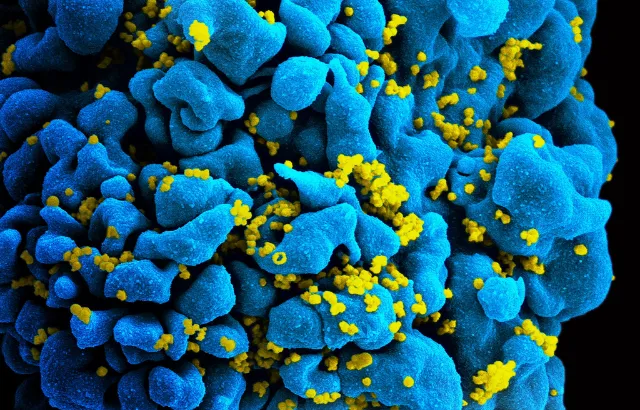 News story: International study shows once-weekly HIV pill performs as well as daily treatment
30, July , 2026
An international clinical trial led by researchers including Professor Chloe Orkin of Queen Mary University of London has shown that a once-weekly oral treatment for HIV is as effective as one of today’s leading daily therapies, offering the potential for a new treatment option that could reduce the burden of lifelong daily pill-taking.
 News story: Introduction of London’s Ultra Low Emission Zone linked to improved lung growth in children
19, August , 2026
A landmark study of more than 3,400 children, led by Queen Mary University of London, has found that air quality improvements following the introduction of London’s Ultra Low Emission Zone (ULEZ) are strongly associated with accelerated lung growth in children.
 News story: When AI meets Phage Display: Accelerating the future for life-saving antibodies
20, August , 2026
Ahuva Nissim is Professor in antibody and Therapeutic Engineering at Queen Mary University of London. In this article, Professor Nissim explore the potential of AI-designed artificial phage and how they could help address antibiotic resistance while opening new avenues for drug discovery.
 News story: Where body fat is stored may matter more than BMI for heart health
25, August , 2026
A study led by researchers at Queen Mary University of London has found that where fat is stored in the body may be a better indicator of heart health than body mass index (BMI) alone.
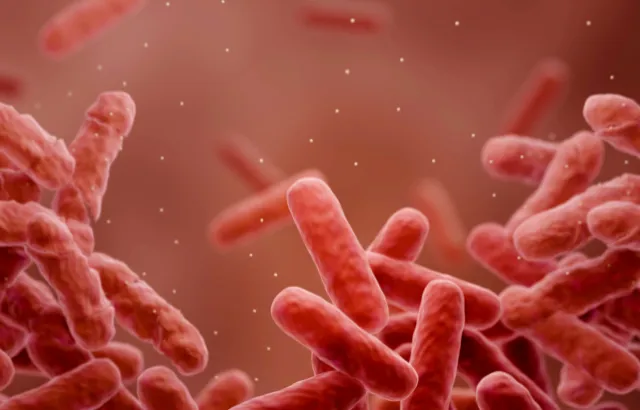 News story: Queen Mary joins £10m international programme to tackle drug-resistant tuberculosis
8, September , 2026
New international research programme will bring together researchers and national tuberculosis programmes across five high-burden countries to better understand emerging drug resistance and improve treatment.
 News story: Blood protein analysis could help diagnose rare diseases missed by genome sequencing
10, September , 2026
Combining information about proteins in the blood with genomic data provides new answers for some people with rare diseases who previously remained undiagnosed after genome sequencing, research suggests.
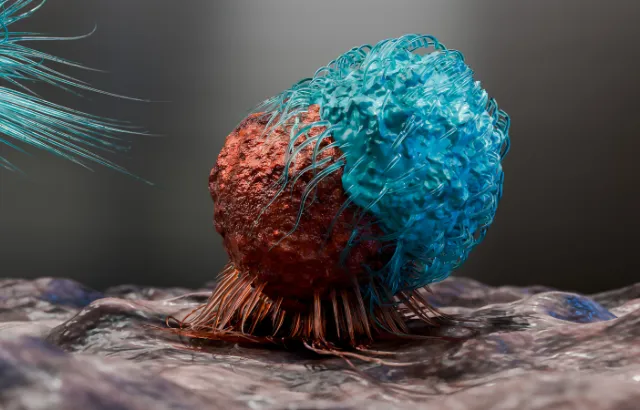 News story: Patient’s immune system could help predict success of CAR-T cell therapy
18, September , 2026
Researchers, including scientists at Queen Mary University of London, have identified biological factors that could help predict whether patients will respond successfully to CAR-T cell therapy when lower numbers of therapeutic cells are available.
 News story: Queen Mary research behind potential new heart attack treatment shows promise in Phase 2 trial
17, September , 2026
Research originating at Queen Mary University of London’s William Harvey Research Institute (WHRI) has helped underpin a potential new treatment designed to protect the heart from inflammation-related damage following a severe heart attack.
 News story: Major NHS trial provides new evidence on multi-cancer blood test
23, September , 2026
Results from the world’s first randomised controlled trial of a multi-cancer early detection blood test have been published in two leading medical journals, providing important new evidence on whether the test can change how cancers are diagnosed and how it performs when used for population screening.
 News story: Queen Mary scientists overcome key barrier to self-amplifying vaccines
28, September , 2026
The innovation could enable protection at lower doses, meaning vaccines could be rolled out further and faster than was previously imaginable, and opens new possibilities in gene therapy, cancer immunotherapy, and protein replacement therapies.
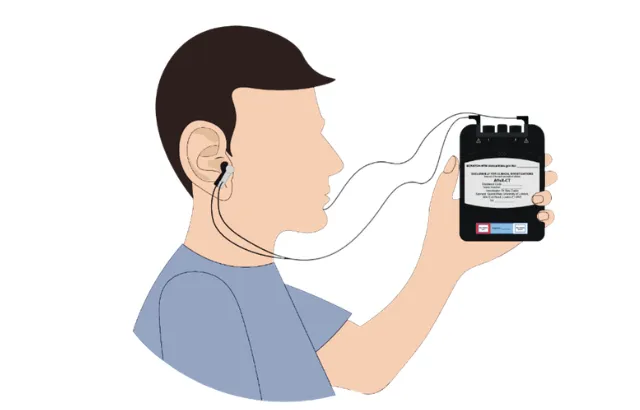 News story: Non-invasive nerve stimulation shows potential for treating uncontrolled high blood pressure
28, September , 2026
A non-invasive technique that stimulates nerves through the ear has been shown to be safe, well tolerated and easy for patients with uncontrolled high blood pressure to use at home, according to a clinical trial led by researchers at Queen Mary University of London.
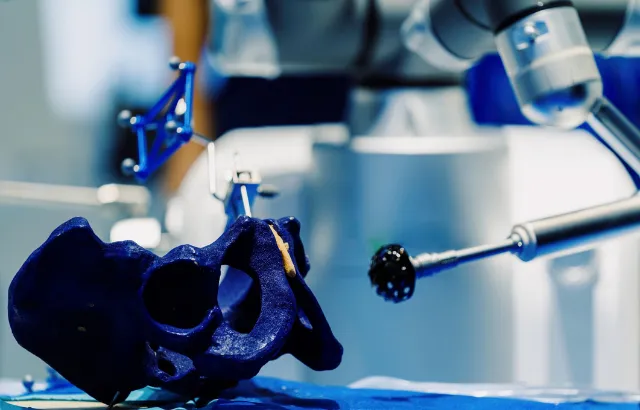 News story: Robotic hip and knee surgery fails to cut overall risk of repeat surgery
1, October , 2026
Two major studies involving researchers at Queen Mary University of London have found that robotic-assisted hip and knee replacement does not reduce the overall early risk of repeat surgery compared with conventional surgery.
 News story: Queen Mary-led digital listening test to be trialled across NHS to help improve dementia diagnosis
2, October , 2026
A new digital test developed by researchers at Queen Mary University of London could help people receive a faster and more accurate diagnosis of dementia, as part of a major new UK-wide initiative.
 News story: New research on Botticelli’s Venus supports a death from a pituitary tumour diagnosis
14, October , 2026
New evidence supporting the theory that Botticelli’s Venus died from a pituitary tumour was published on Monday.
 News story: PharosAI awarded funding to explore AI ‘digital twins’ of human tissue
15, October , 2026
PharosAI – a partnership between Queen Mary University of London, King’s College London and two NHS Trusts, Guy’s and St Thomas, and Barts Health – has received Innovate UK funding to explore whether AI can predict complex biological information from routinely collected tissue data.
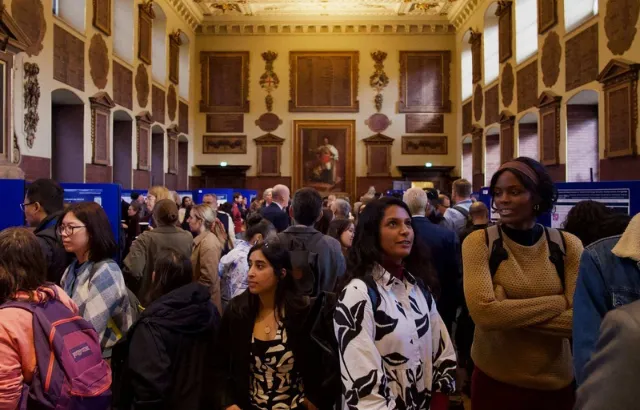 News story: From AI to space medicine: William Harvey Day showcases research and innovation
27, October , 2026
Queen Mary University of London’s Faculty of Medicine and Dentistry celebrated scientific discovery and innovation at William Harvey Day 2026, held at St Bartholomew’s Hospital on 22 October.
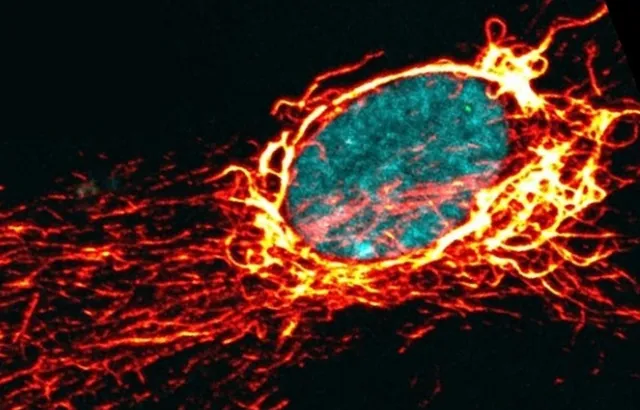 News story: Cells massage their nucleus to repair DNA, revealing a possible cancer vulnerability
28, October , 2026
Cells soften and massage their nucleus to encourage the repair of broken DNA, research led by Barts Cancer Institute, Queen Mary University of London, has discovered.
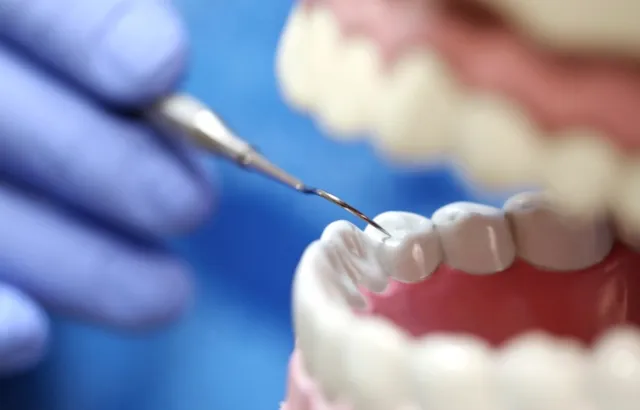 News story: Queen Mary research informs national approach to AI in dental education
28, October , 2026
Researchers at Queen Mary University of London have led a major review commissioned by the General Dental Council (GDC), examining how artificial intelligence (AI) is transforming dental education and what is needed to ensure its safe and responsible use.
 News story: Queen Mary spinout BioMin plans next stage of growth
29, October , 2026
Queen Mary spinout BioMin Technologies is returning to market following new European certification and has announced plans for the next stage of the company’s growth.
 News story: Drug combination helps more people with bladder cancer live longer
4, November , 2026
An international trial led by Professor Thomas Powles found that adding two medicines to treatment around bladder-removal surgery improved survival for people who could not receive, or chose not to have, cisplatin chemotherapy.
 News story: New treatment may cure common hormonal cause of high blood pressure
9, November , 2026
A study led by Queen Mary University of London has found that a new treatment could offer a lasting cure for some people with a common hormonal cause of high blood pressure, even after they stop taking medication.