
Making diversity count: celebrating overlooked scientists and creating a more inclusive chemistry curriculum
Who gets remembered in science, and whose contributions are overlooked? A new initiative led by Dr Tippu Sheriff and Dr Giorgio Chianello from the School of Physical and Chemical Sciences is helping to reshape how the history and contributions of scientists are represented in chemical sciences education, bringing greater visibility to researchers from underrepresented and marginalised backgrounds.
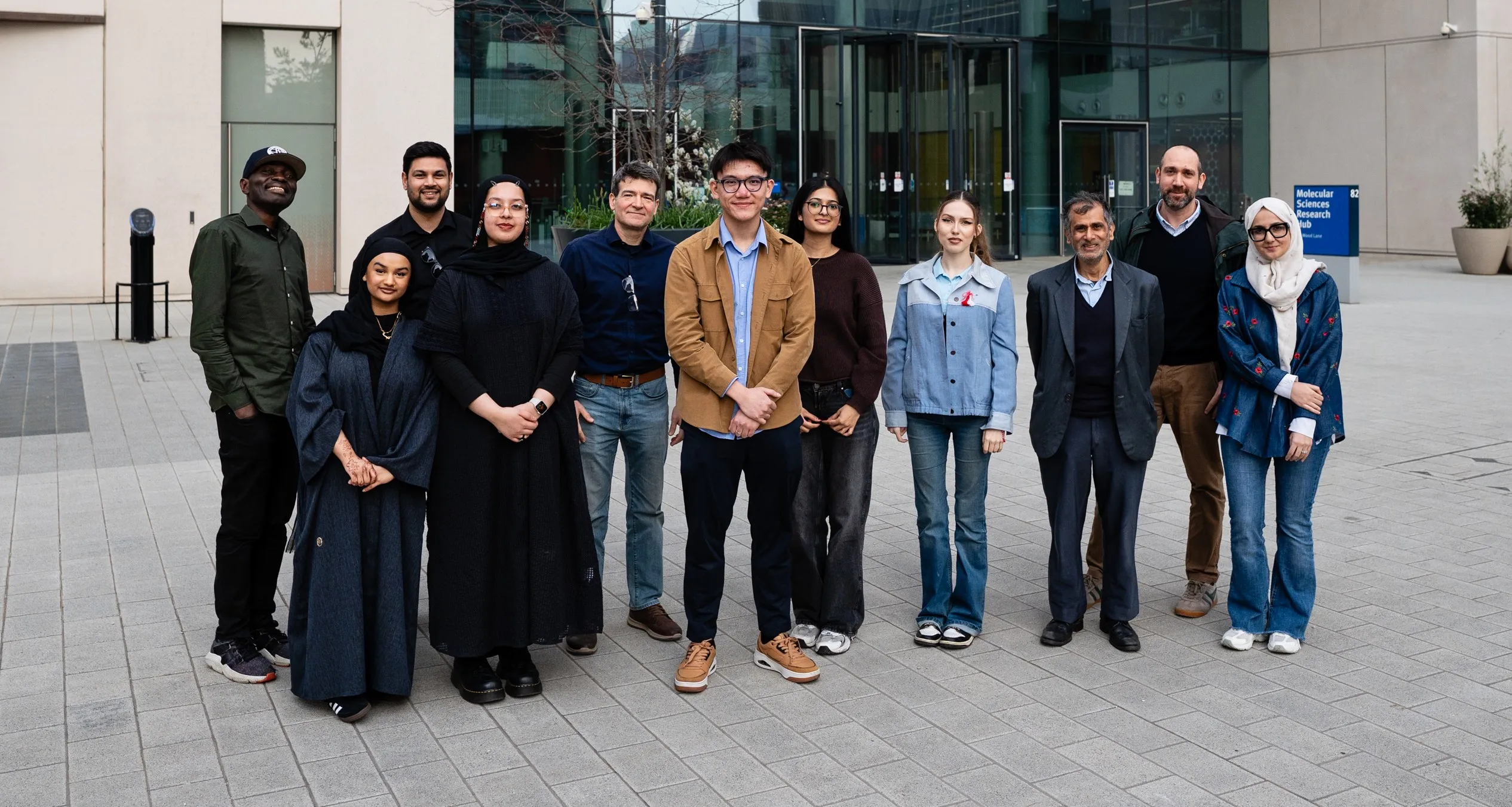
This Royal Society of Chemistry-funded project, Making Diversity Count, aims to address the lack of diversity in traditional chemical sciences curricula by highlighting the achievements and contributions of scientists whose work has often been overlooked.
Working collaboratively with students and academics from Queen Mary, Imperial College London and the University of Greenwich, the team has developed an extensive collection of freely accessible educational resources (https://iccs-megs.co.uk/). These include more than 100 scientist profiles, alongside teaching materials, videos, posters and virtual reality content. Together, these resources introduce students to the diverse people and perspectives that have shaped the chemical sciences, offering a broader picture of what it means to be a scientist.
Student involvement has been central to the project. A survey of 185 first-year undergraduate students highlighted significant gaps in their awareness of scientists from diverse backgrounds. It also revealed strong student support for a more inclusive curriculum, demonstrating a clear appetite for greater representation in science education.
By bringing students and academics together, the initiative recognises the value of student voices in shaping more representative and engaging learning experiences. The resulting materials are designed to be integrated into existing teaching, helping educators introduce a wider range of scientific role models.
Through its growing collection of resources, the team hopes to inspire educators across higher education to rethink whose contributions they celebrate and ensure that the next generation of scientists encounters a richer, more representative picture of the chemical sciences.