
Items
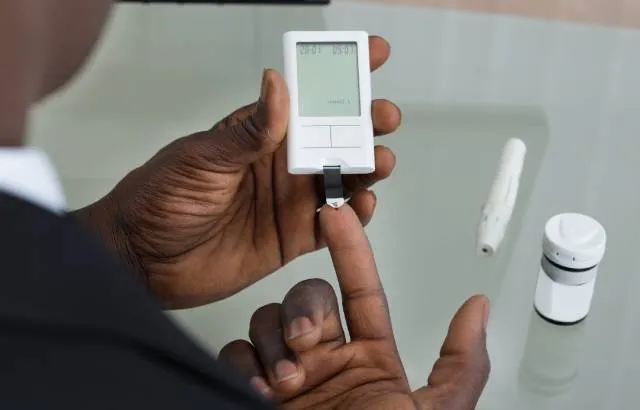 PHURI Researchers conduct the most comprehensive analysis to date linking plasma proteins to genetic variation in individuals with type 2 diabetes from continental Africa
By combining genomic and plasma proteomic data from a Ugandan cohort, the researchers mapped nearly 400 genetic regions that regulate circulating protein levels – 58 of them previously unknown in African-ancestry individuals.
Date added: Tuesday, January 20, 2026
 Prof. Claudia Langenberg Awarded ERC Consolidator Grant
We are proud to celebrate a major milestone for Precision Healthcare and for Queen Mary University of London. This year, four Queen Mary academics have been awarded prestigious European Research Council (ERC) Consolidator Grants, placing them among just 349 researchers selected from more than 3,000 applicants across Europe.
Date added: Tuesday, December 9, 2025
 Prof. Langenberg named in the top 7 Best Female Scientists in the UK
The latest Research.com rankings have named Professor Claudia Langenberg, PHURI, QMUL among the top 100 scientists in the UK, recognising her significant contribution to her field.
Date added: Monday, October 13, 2025
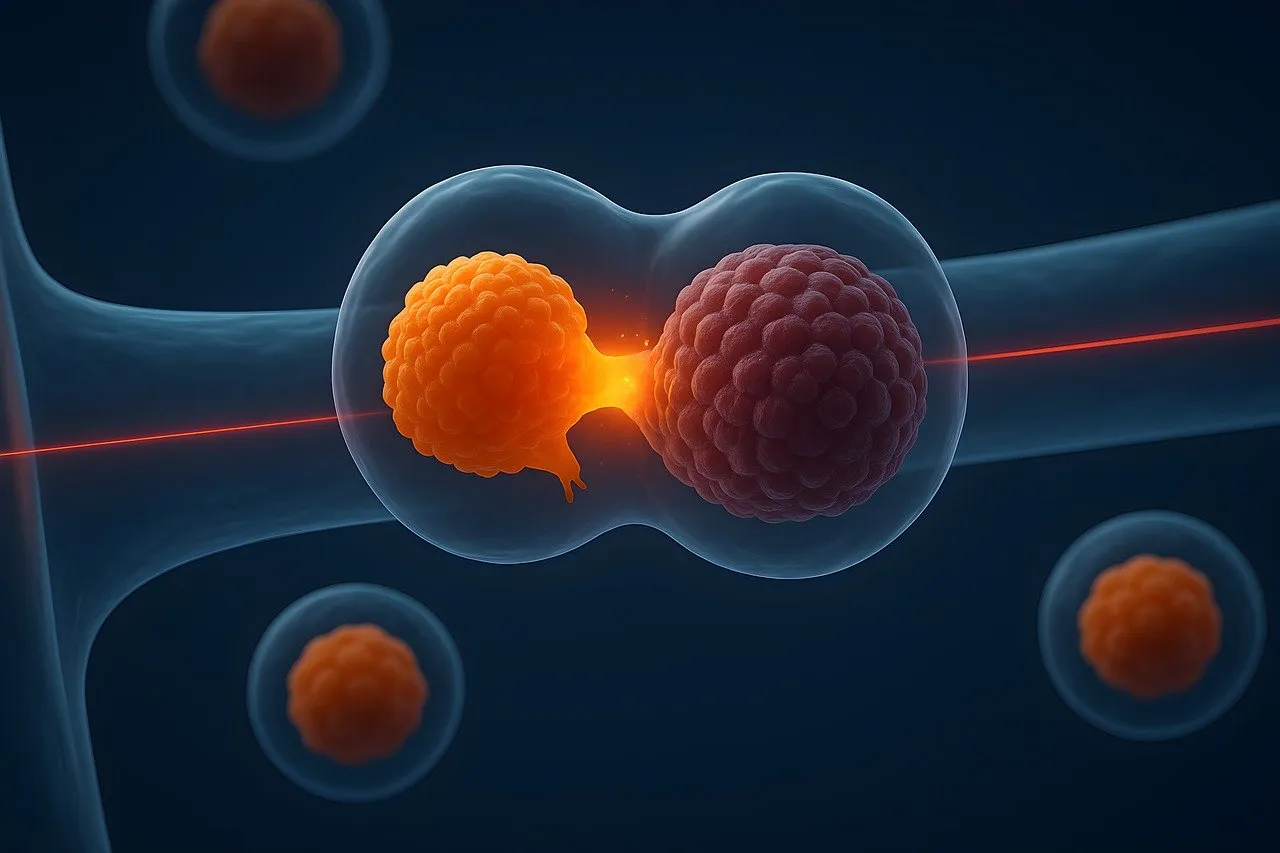 Decoding Immune Cell Dialogue to Predict Immunotherapy Responses
An interdisciplinary team, including scientists from PHURI, has developed a pioneering method to decode cellular communication. This innovation sheds new light on the hidden conversations between cells and opens the door to more effective cancer treatments. By applying this method, the researchers have shown how it can deepen our understanding of novel immunotherapies that harness the patient’s own immune system to combat cancer.
Date added: Tuesday, September 9, 2025
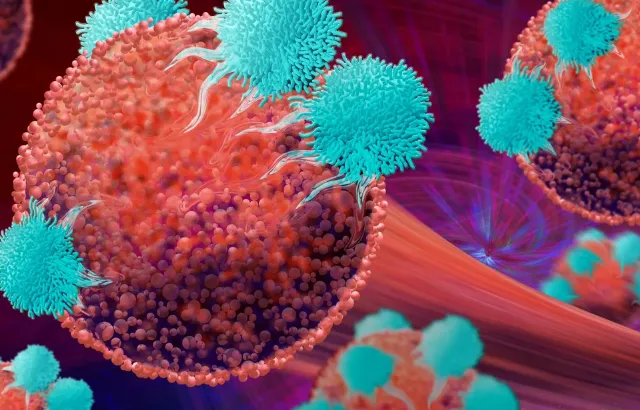 How immune cells communicate to fight disease and cancer
An interdisciplinary team of scientists from the Berlin Institute of Health at Charité (BIH), the Max Delbrück Center, the German Cancer Research Center (DKFZ), the Heidelberg Institute for Stem Cell Technology and Experimental Medicine (HI-STEM) and Queen Mary University of London has developed a technology to decode immune cell communication.
Date added: Monday, August 11, 2025
 Professor Claudia Langenberg elected as Fellow of the Academy of Medical Sciences
Professor Claudia Langenberg from PHURI and Queen Mary joins 54 exceptional biomedical and health scientists elected by the Academy to its prestigious Fellowship.
Date added: Thursday, May 22, 2025
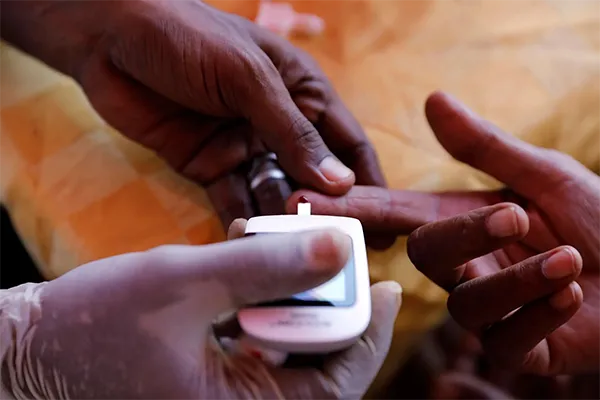 Diabetes Is Rising in Africa. Could It Lead to New Breakthroughs?
Growing rates of type 2 diabetes across the African content offer scientists hope of creating new, more inclusive treatments.
Date added: Saturday, May 10, 2025
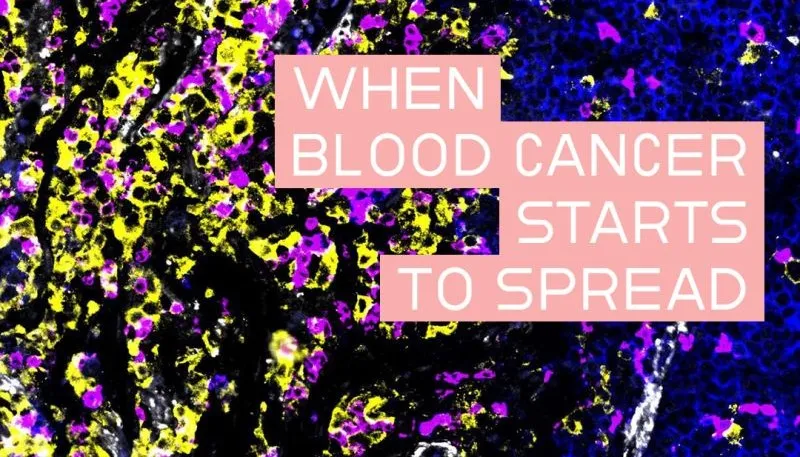 When blood cancer starts to spread
When blood cancer cells break through the bone and multiply, tumor cells become dangerously diverse and the immune response in the region changes, researchers from Berlin and Heidelberg report in “Science Immunology.” The detailed insights into cancer progression could advance diagnostics and treatment.
Date added: Wednesday, February 12, 2025
 UK Biobank launches the world’s largest protein study to unlock new medical breakthroughs
Research led by Queen Mary’s Professor Claudia Langenberg and her team has helped to prove the effectiveness of large-scale protein studies using UK Biobank data to understand disease
Date added: Friday, January 10, 2025
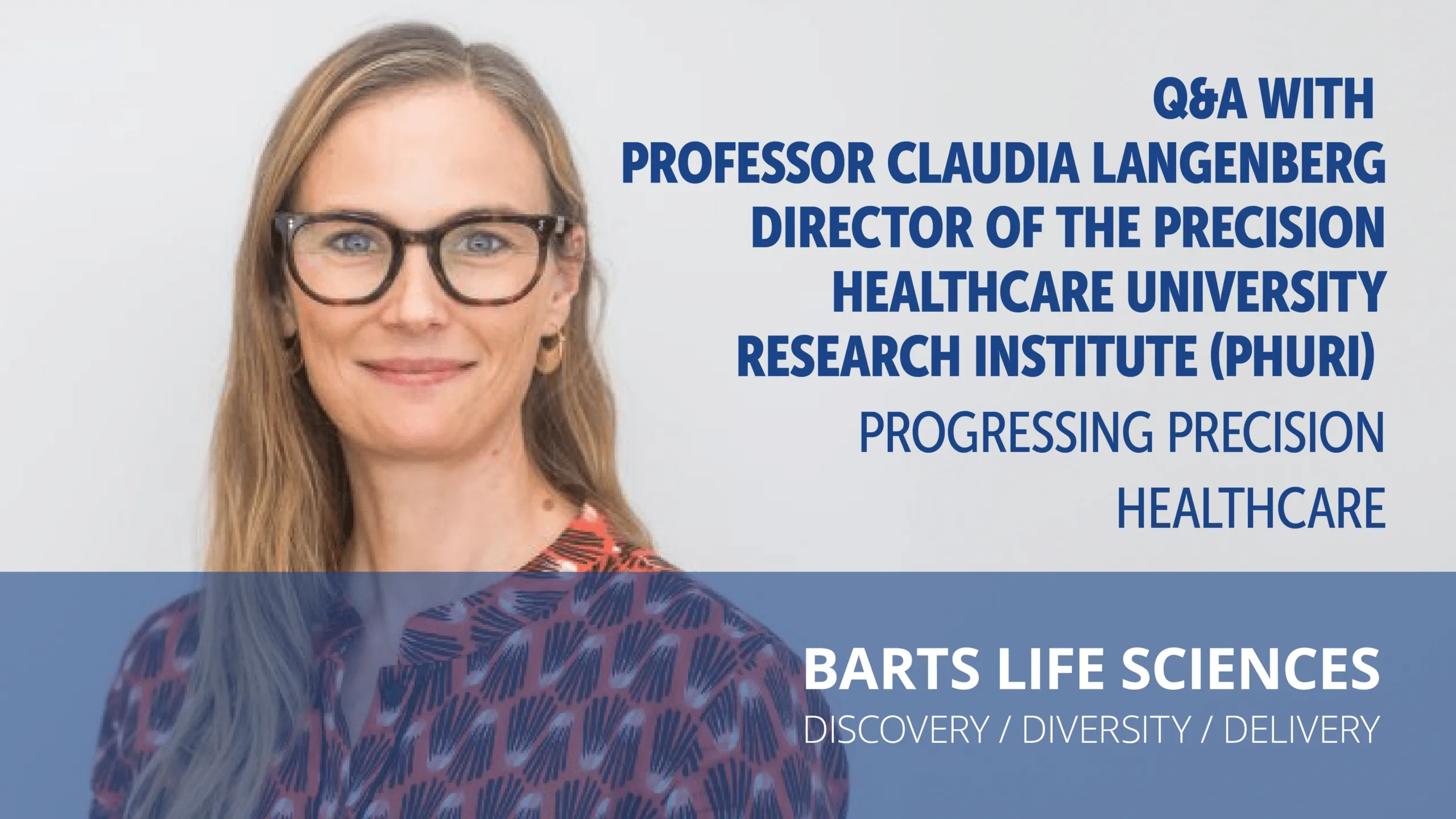 Progressing Precision Healthcare
Professor Claudia Langenberg, Director of the Precision Healthcare University Research Institute (PHURI) at Queen Mary University of London, discusses the future of precision medicine. With an impressive background as Professor of Computational Medicine at the Berlin Institute of Health at Charité Universitätsmedizin, Germany, and former Programme Leader at the MRC Epidemiology Unit at the University of Cambridge, Professor Langenberg brings invaluable insight into the cutting-edge developments shaping this rapidly evolving field. In this interview, we explore the most significant trends in precision medicine, the challenges of deploying these approaches at scale, and the role of data-driven techniques and artificial intelligence. Professor Langenberg shares her views on the UK’s position as a global leader in precision medicine, highlighting the unique opportunities presented by North-East London, including the Barts Health Data Platform
Date added: Tuesday, November 12, 2024
 Blood proteins predict the risk of developing more than 60 diseases
Protein ‘signatures’, which can be obtained via a blood sample, can be used to predict the onset of 67 diseases including multiple myeloma, non-Hodgkin lymphoma, motor neurone disease, pulmonary fibrosis, and dilated cardiomyopathy. Using protein information to predict the onset of diseases could help with timely diagnosis, early initiation of treatment and improved patient outcomes.
Date added: Monday, July 22, 2024
 Reporting guidelines for precision medicine research of clinical relevance: the BePRECISE checklist
The inaugural reporting guidelines for precision medicine research have been published in Nature Medicine
Date added: Friday, July 19, 2024
 Complex patterns of multimorbidity associated with severe COVID-19 and long COVID
Early evidence that patients with (multiple) pre-existing diseases are at highest risk for severe COVID-19 has been instrumental in the pandemic to allocate critical care resources and later vaccination schemes. However, systematic studies exploring the breadth of medical diagnoses are scarce but may help to understand severe COVID-19 among patients at supposedly low risk.
Date added: Monday, July 8, 2024
PHURI's Director elected to membership of EMBO
Queen Mary University of London congratulates Professor Claudia Langenberg on her recent election to the European Molecular Biology Organization (EMBO) Membership.
Date added: Tuesday, July 9, 2024
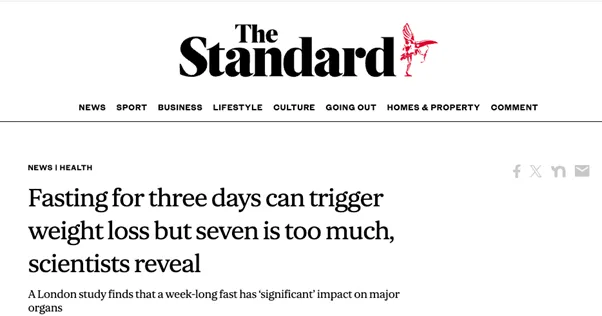 Fasting for three days can trigger weight loss but seven is too much
Scientists at Queen Mary University of London monitored 12 healthy volunteers taking part in a week-long water fast and tracked changes in the levels of 3,000 proteins in their blood.
Date added: Monday, March 4, 2024
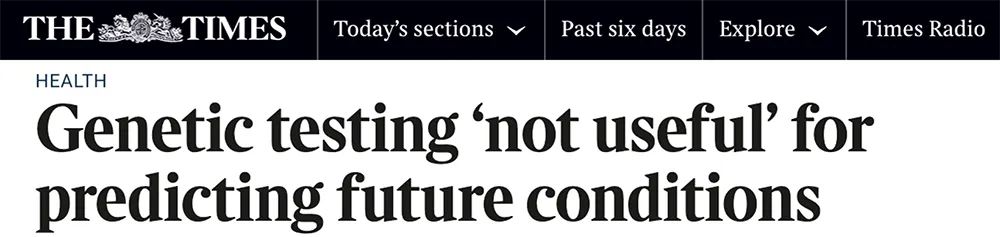 Performance of polygenic risk scores in screening, prediction, and risk stratification.
Performance of polygenic risk scores in screening, prediction, and risk stratification: secondary analysis of data in the Polygenic Score Catalog.
Date added: Sunday, December 31, 2023
 The genetic causes of Raynaud’s phenomenon.
Researchers at Queen Mary University of London’s Precision Healthcare Research Institute (PHURI) and the Berlin Institute of Health (BIH) at Charité – Universitätsmedizin Berlin have identified the genetic causes of Raynaud’s phenomenon.
Date added: Friday, June 21, 2024
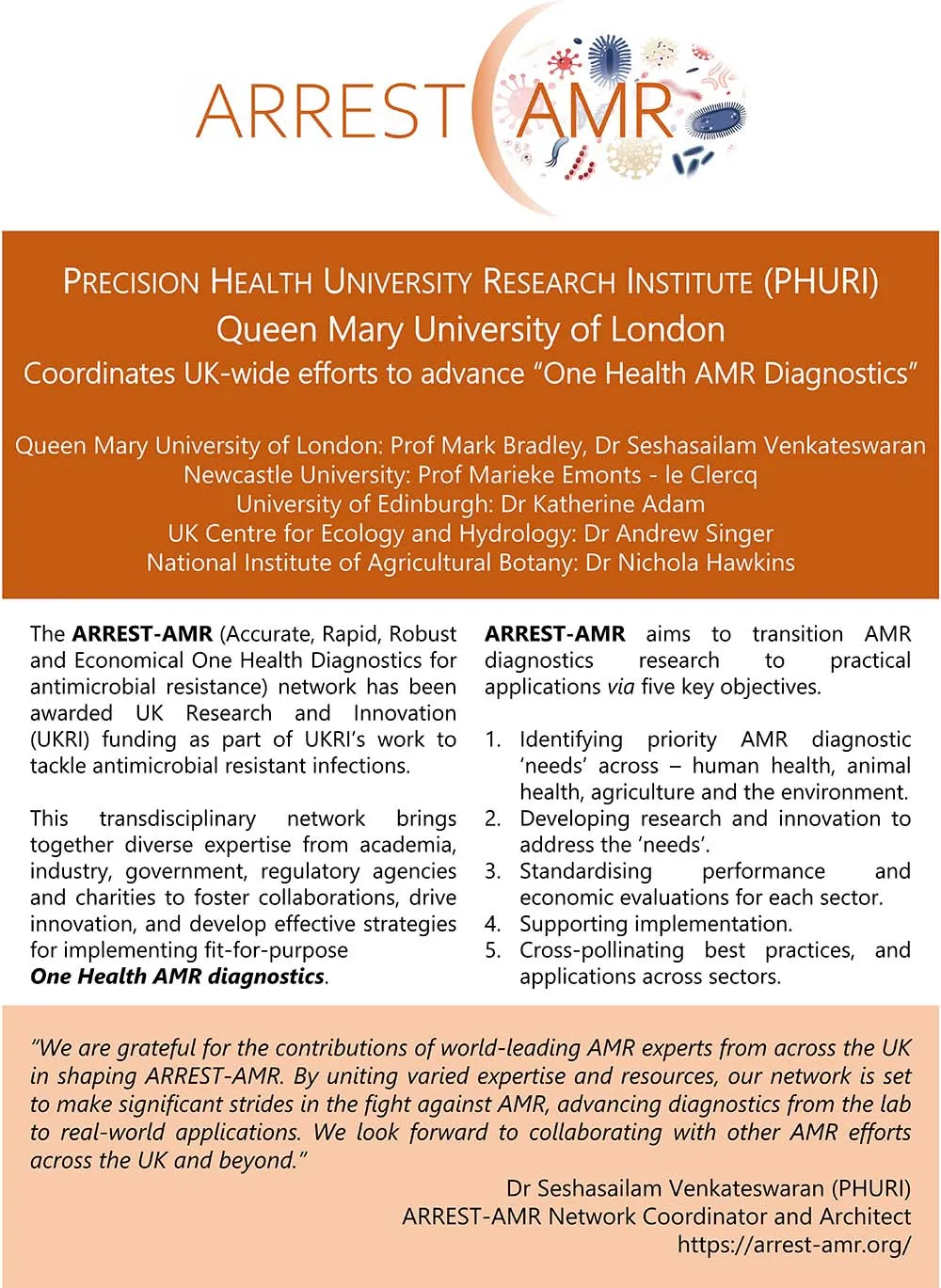 New research networks will tackle antimicrobial resistance
Professor Mark Bradely and Dr Sesha Venkateswaran have been awarded a UK Research and Innovation grant to tackle antimicrobial resistant infections.
Date added: Tuesday, October 1, 2024