
Lab Diaries - Looking beyond the course
We caught up with Shirin, who talked us through her time on the MS Molecular Cell Biology Programme and what she loved about it. Shirin graduated in 2025 and works as an Operations Manager at STEM Dorado.
Tell us a bit about you.
I’m an MSc Molecular Cell Biology student at Queen Mary University of London basically, I spend my days in the lab figuring out what cells get up to (spoiler: it’s more drama than you’d think) and trying to keep my lab coat at least mostly white.
Before this, I did my BSc in Chemistry, Zoology, and Microbiology back in India. It was like getting three science degrees in one I learned how chemicals react, how animals behave, and how microbes secretly run the world.
When I’m not geeking out over experiments, you’ll probably find me with my camera chasing the perfect shot, discovering new coffee spots, or plotting the quickest route to the library (which is never the one Google Maps suggests).
Tell us about your first lab experience at QMUL
My first lab experience at QMUL was unforgettable we were working on a GFP (Green Fluorescent Protein) experiment, and as one of only five students in the course, it felt less like a class and more like a tiny science family.
We spent a whole week on the project, learning the steps, making mistakes, laughing about them, and celebrating those magical moments when things actually worked. The GFP glowed under UV light like something straight out of a sci-fi movie, and I still remember the “wow” moment when we saw our results for the first time.
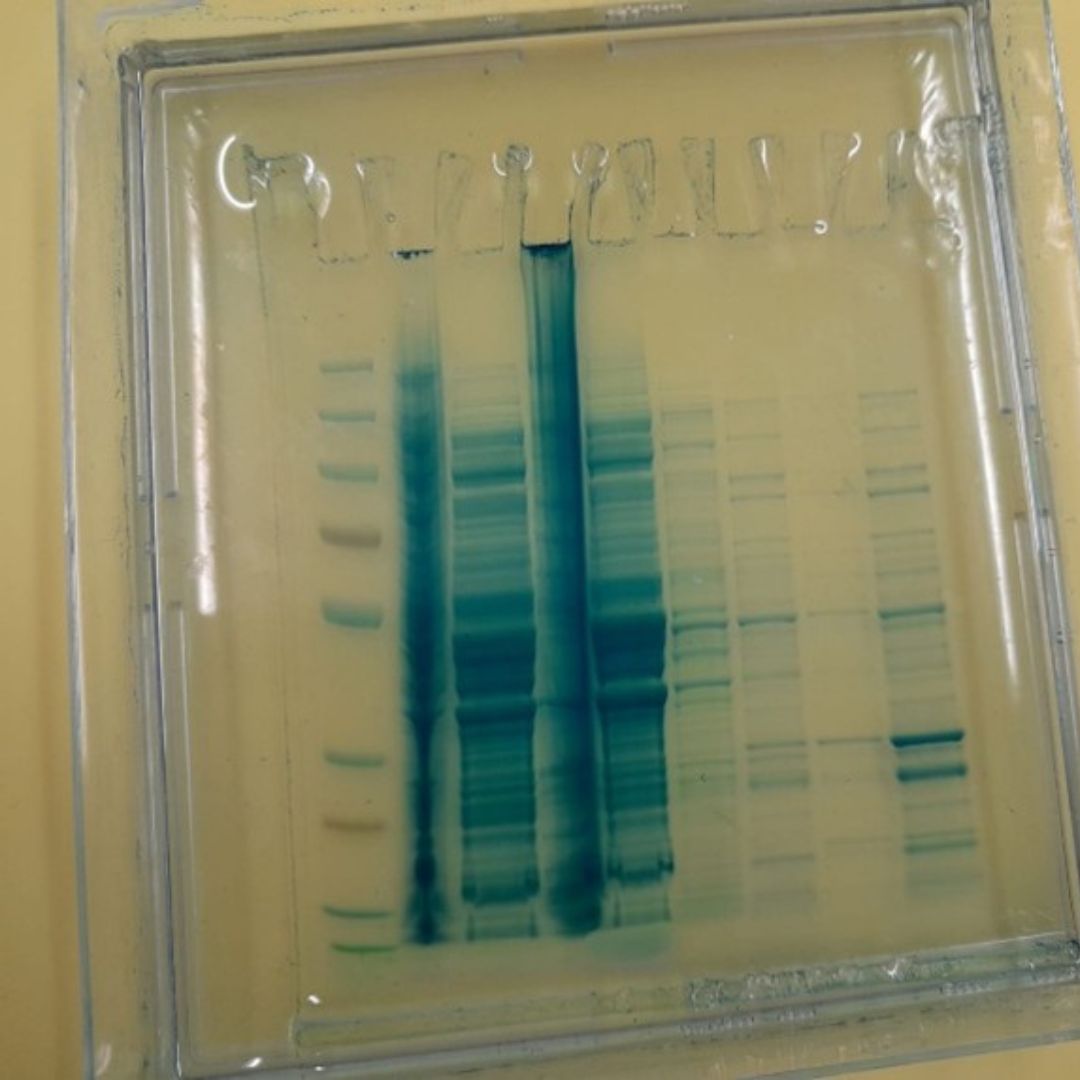
It wasn’t just about the science it was where we really bonded as a group. Between pipetting, waiting for incubations, and sneaking in coffee runs, we built friendships that made the lab feel like a second home.
Tell us a bit about your research project. Why did you pick it?
One of the exciting (and slightly nerve-wracking) parts of the MSc is that you get introduced to research projects almost immediately. In the very first month, we were briefed on how it all works and given a list of potential supervisors along with their projects. You rank your choices, and if you’re lucky, you get your first pick ,which makes the whole process feel a bit like an academic matchmaking service.
My initial project was Identifying Virulence Factors in ESKAPE Pathogens, with a main focus on Pseudomonas aeruginosa. I spent the first stage doing a detailed literature review and presented my findings in a talk in December, which was both nerve-wracking and rewarding. By late January, I was finally hands-on in the lab, running experiments and collecting data.
But then life threw me a curveball my supervisor had to step back, which meant I had to completely change my project in March. My new project, Bacterial Decision Making – What Drives Individuality vs Group Behaviour Within Bacterial Populations, was very different but equally fascinating. It was like starting over mid-course, with a new supervisor, a new set of experiments, and a whole new learning curve.
I won’t sugarcoat it this journey had its fair share of breakdowns, stressful nights, and moments where nothing seemed to go right. But the support from my coursemates, and the understanding and guidance from my new supervisor, made all the difference.
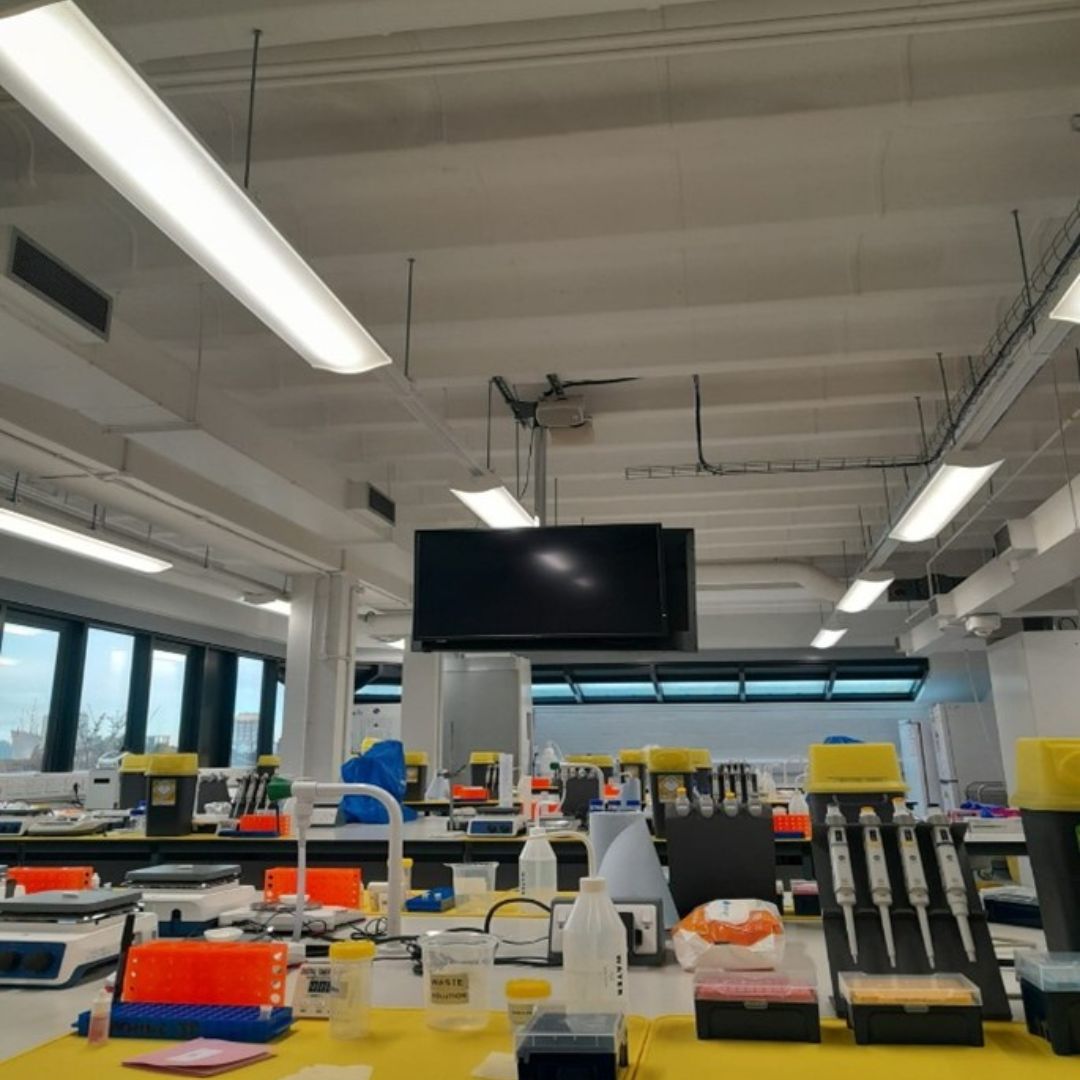
Looking back, the unexpected project change actually turned into a unique advantage. I now have experience in two distinct areas of research, which not only expanded my skills but also adds extra depth to my CV. It taught me resilience, adaptability, and how to find opportunity even in situations that seem like setbacks at first.
What’s been the best thing about this programme for you?
For me, the best thing about this course has been the mix of skills, friendships, and connections it’s given me. On the academic side, I’ve gained hands-on lab experience, research skills, and scientific knowledge that will stay with me long after graduation all of which are directly shaping my future career path.
But just as importantly, I’ve met people who started as classmates and quickly became like family. From late-night study sessions to laughing over coffee between lectures, these friendships have been the backbone of my MSc experience. And along the way, I’ve built professional connections with academics, researchers, and industry experts relationships that will continue to open doors long after the course ends.
It’s not just a degree; it’s a community, a support system, and a launchpad for whatever comes next.
Have you developed any new skills in experimental design or data analysis?
Absolutely a lot! During my BSc, most experiments came with ready-made protocols, so all we had to do was follow the steps. It was great at the time, but here at QMUL, it’s been a completely different experience. I’ve had to design experiments from scratch, think critically about the methods, and adapt protocols to suit the research questions.
Data analysis has also been a huge part of my growth. As much as I sometimes groaned at the thought of it, there was always a part of me that felt proud I could actually do it and even started enjoying it. From working with Excel to learning R and Python/Matplotlib, each tool gave me new ways to make sense of my results and tell a clear scientific story.
It’s been challenging, yes, but also incredibly rewarding to see just how far my skills have come.
If you could go back and give yourself some advice before starting this programme, what would it be?
If I could go back and give myself advice before starting this programme, I’d say: stay curious and don’t be nervous everything will work out. Moving to a new country alone can feel overwhelming at first, but it’s all part of the adventure. Oh, and maybe learn to cook before you get here trust me, it makes life so much easier when you’re juggling classes, research, and everything else!
Most importantly, remember that if I can do it, you absolutely can too. The challenges will help you grow, and the experience will be worth every moment.