
Exploring the Rainforest: My Field Experience in Borneo
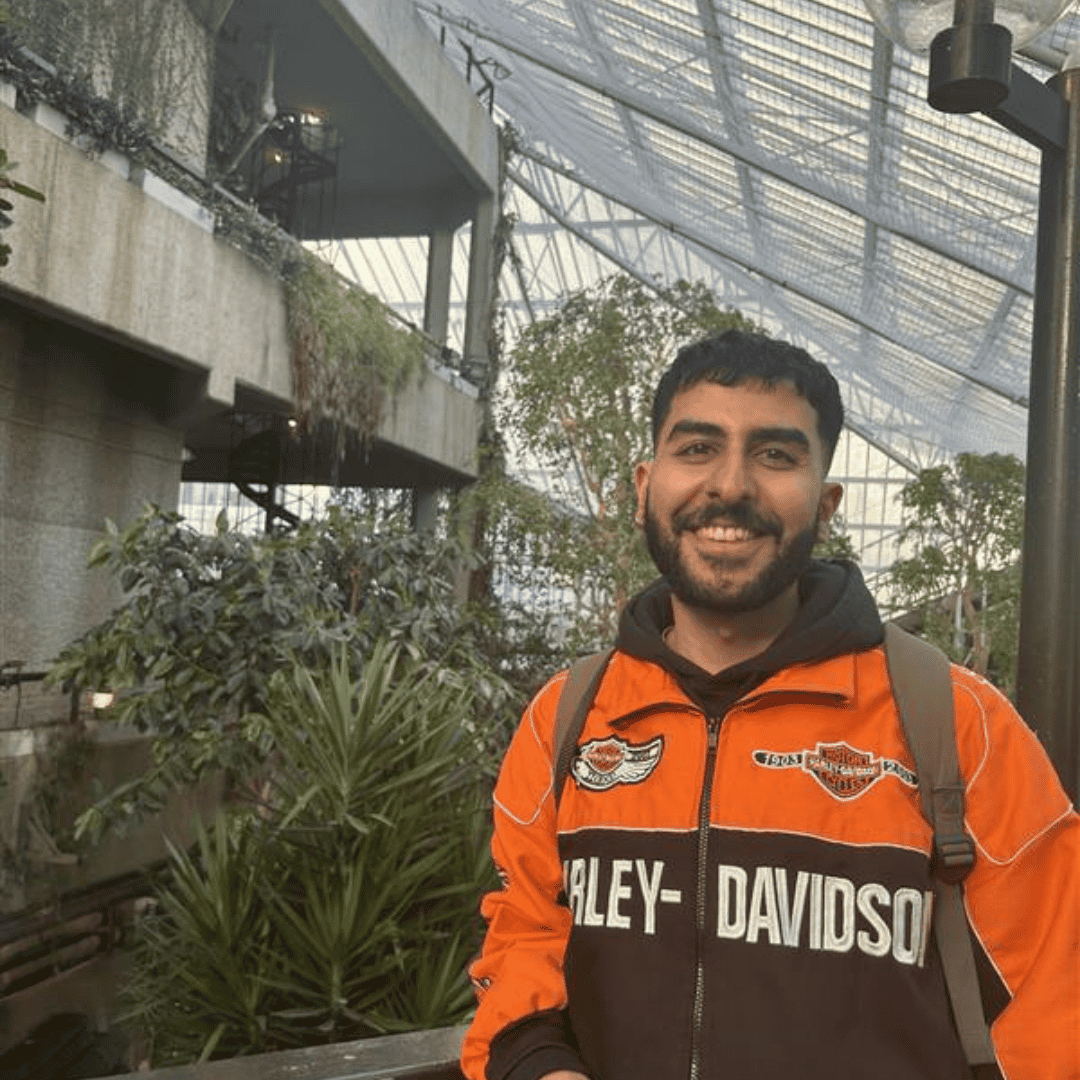
By: Adam Itrakjy
Hi! I’m Adam Itrakjy, a Master’s student in Biodiversity and Conservation at Queen Mary University of London. I graduated with a degree in Zoology in 2019, and before starting my MSc, I worked as an ecologist. I chose this master’s course to build on my ecological skillset and move towards a career in international conservation project management.
Borneo Field Course: Terrestrial Ecology and Conservation
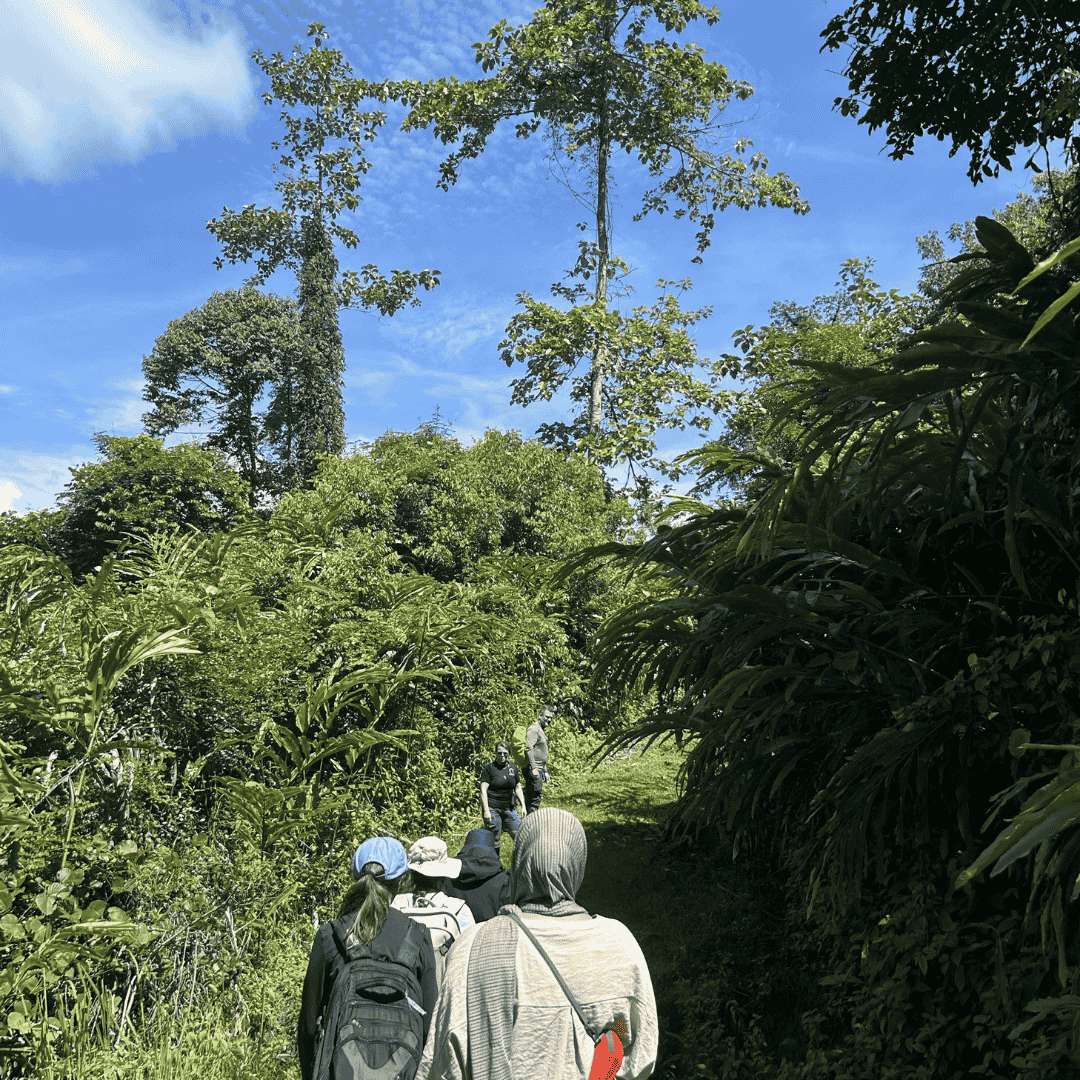
One of the highlights of the programme so far has been the Borneo field trip, part of the Terrestrial Ecology and Conservation field course. The trip focused on essential skills for conservationists, including species identification, surveying techniques, and rainforest research experimental design.
First Impressions of the Rainforest
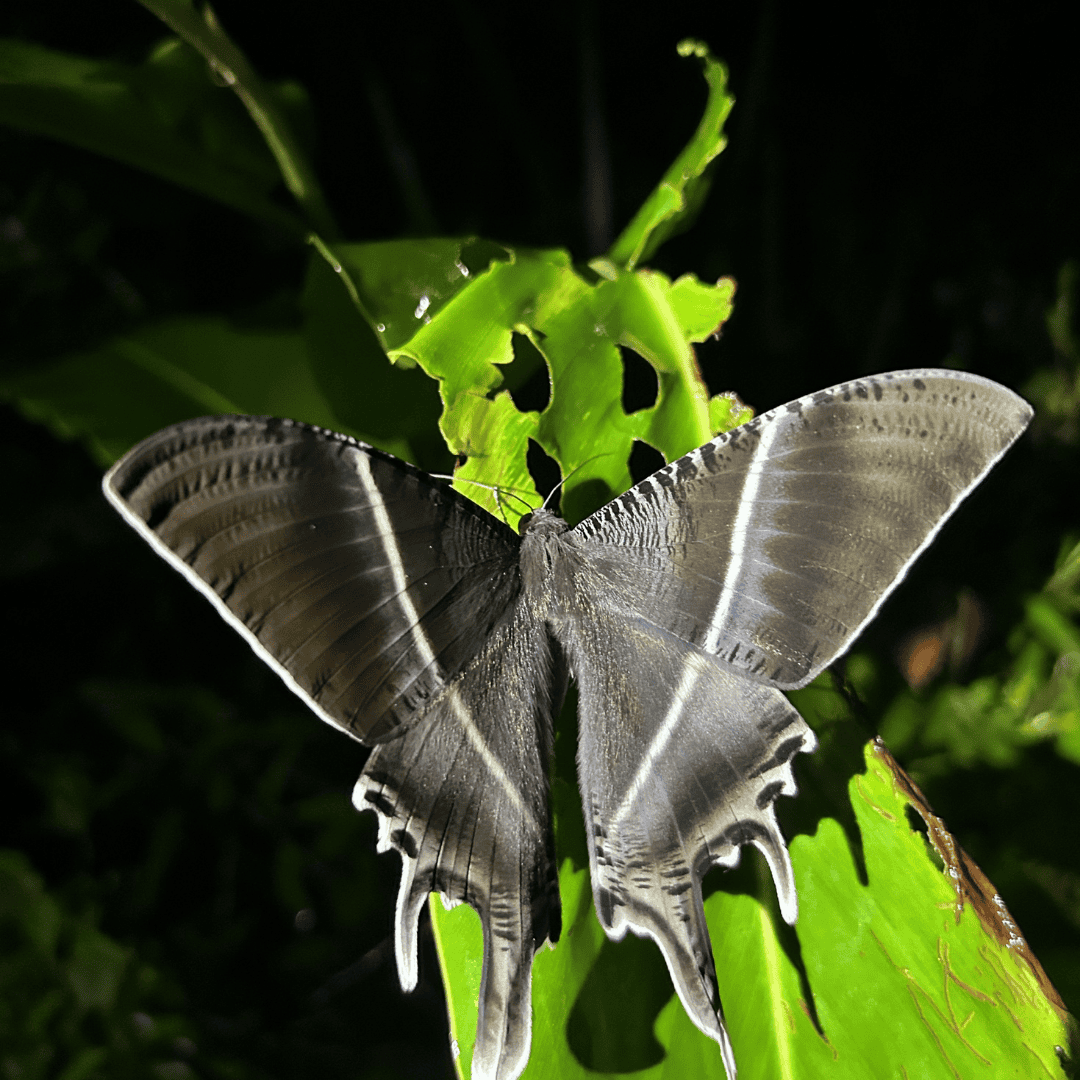
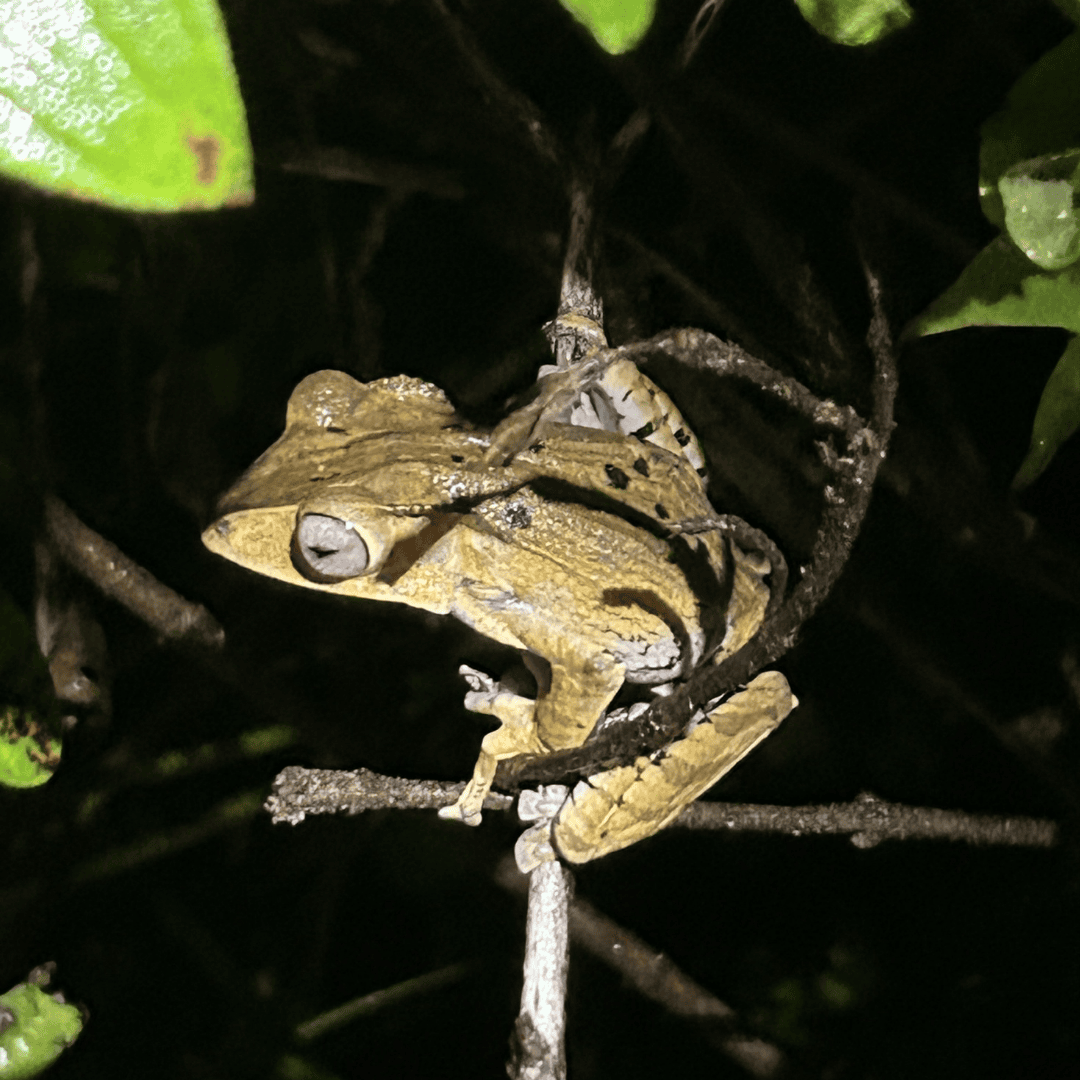
Our first night in the rainforest of Borneo was unforgettable. We walked along a forest trail and discovered new and fascinating species around every corner. One highlight was spotting the famous lantern bug—the biodiversity was unlike anything I’d seen before.
Community Moments and Unexpected Talents
A memorable part of the trip was our final night together. We had a karaoke session as a group and discovered some hidden singing talents—turns out we had some secret Whitneys and Eltons among us! It was a great way to celebrate the end of our field course experience.
Developing Research and Field Skills
In the second week, we worked in teams to design our own mini research projects. This included everything from pilot studies to testing and refining our methodology—giving us practical experience in ecological research design and real-world scientific fieldwork.
Personal Reflection on Tropical Fieldwork
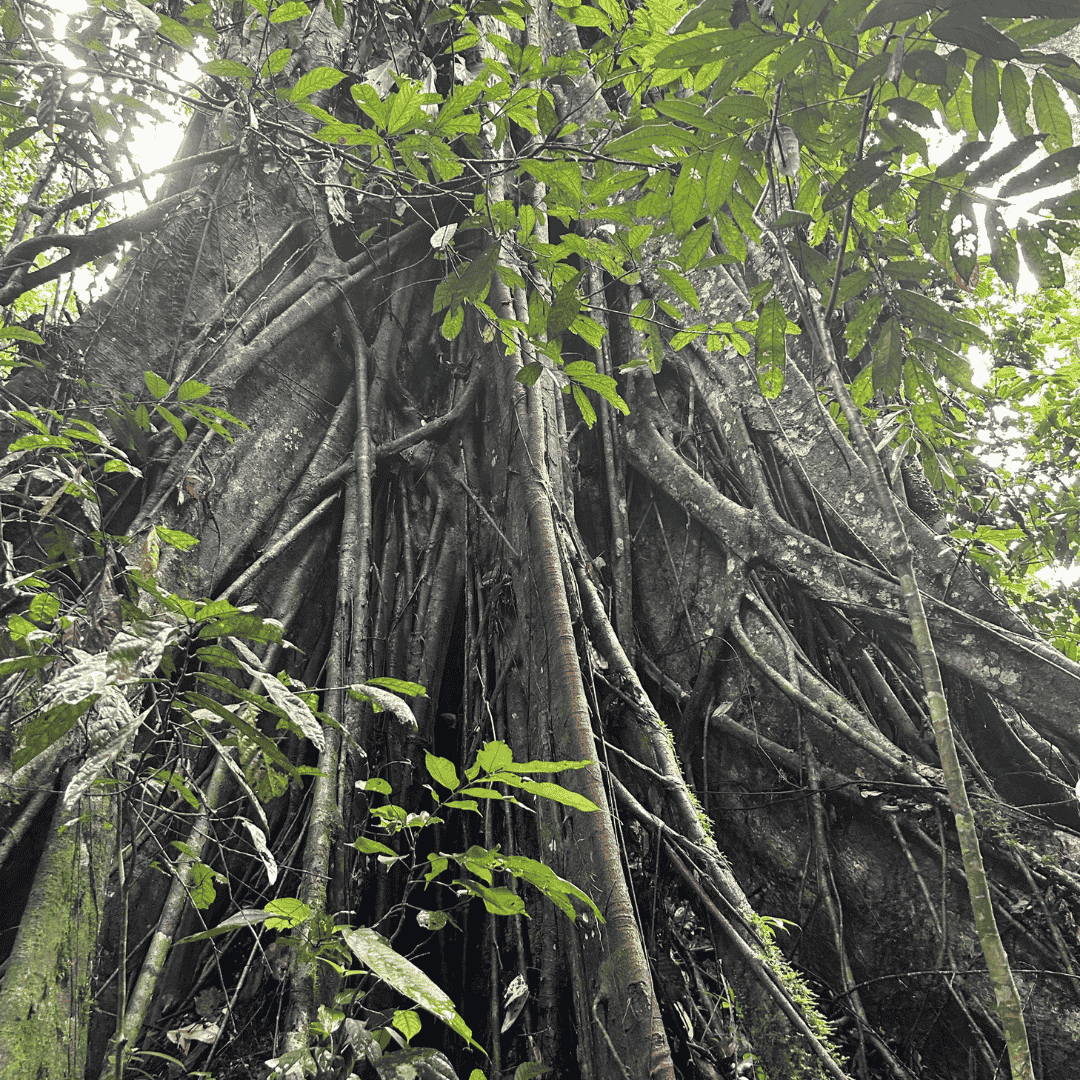
The experience also helped clarify my career direction. While I enjoyed the trip, I realised that I prefer shorter trips compared to long-term tropical rainforest research trips, such as this.
Advice for Future Students
If you’re considering a rainforest field course, here’s my advice:
- If it’s not organised through your university, ensure the programme is ethical and that your money supports responsible operations.
- Be prepared for the tropical conditions, especially the humidity.
- And don’t forget to pack leech socks!